Keep It Short

(Fauzi Muda/Getty Images)

Are you deluged with too many emails and social media posts? I am. How about new initiatives from the administration? Requests from teachers? It’s a lot and wading through all of it saps your concentration. You probably need to go over it several times.  And who has time for everything?

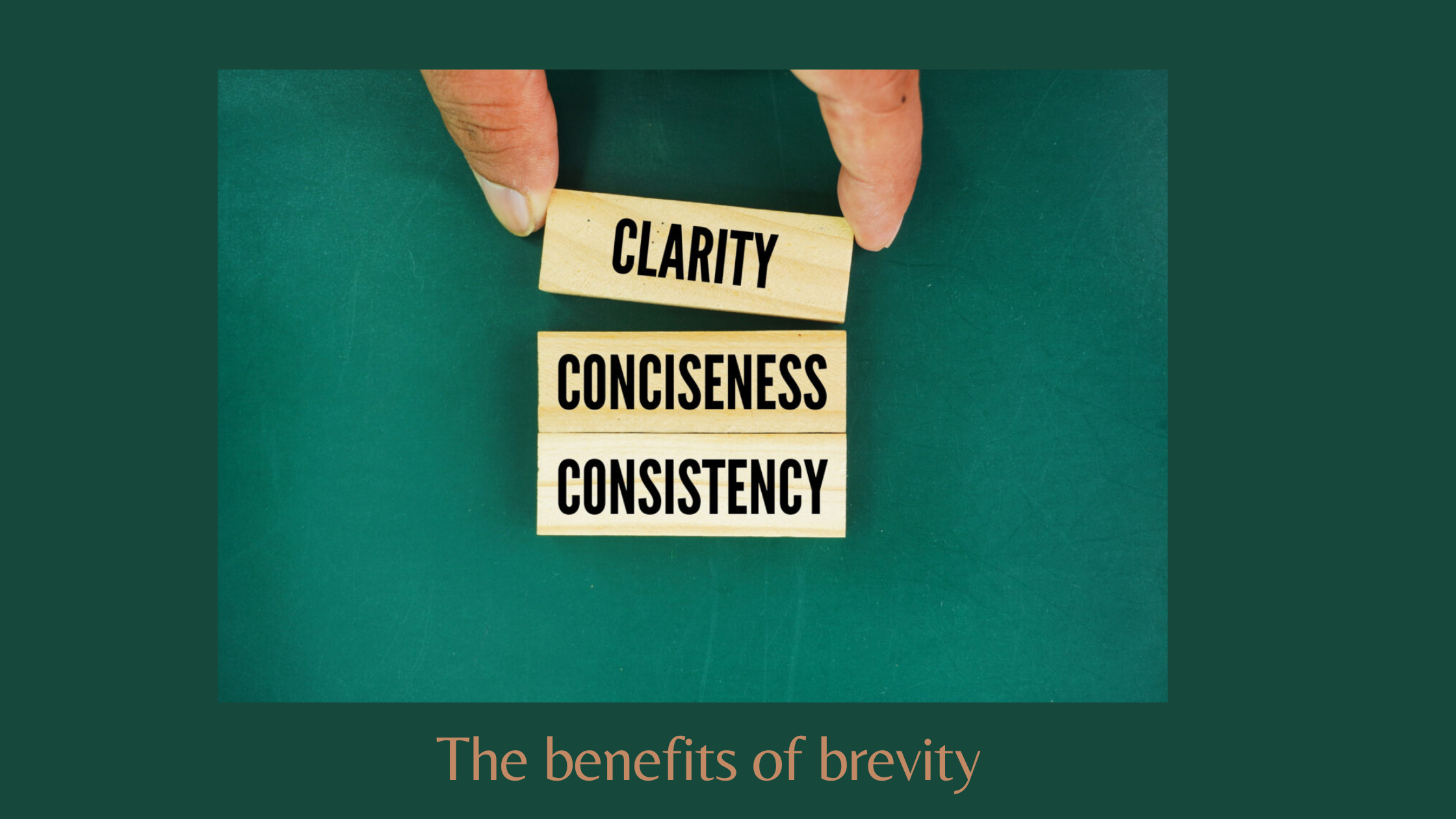
If you dislike receiving all those long messages, you can be sure recipients of your communications feel the same way. In his blog post, I’ll be brief: the power of just a few words”, Larry Robertson reminds us that it’s not the number of words that matter. It’s the power they contain.  And frequently, shorter is better.

Google’s 12-word road map – You can get a lot done with very few words. When they raised money to found Google Larry Page and Sergey Brin used twelve words to get people on board: “To organize the world’s information and make it universally accessible and useful.” That’s a Vision Statement. Robertson points to its clarity and brevity. Brevity doesn’t work without clarity.  Choose your words carefully whether you are crafting a Vision or sending an email to your principal. Prepare your opening statements to students when introducing a learning opportunity. Too many words and you lose them. Think about what will most capture their interest?

Look for words that provide clarity and direction – You probably don’t need to give as much detail as you think The usual step-by-step directions often locks students into a pre-conceived approach. Allowing for their creativity while aiming for a goal will get them engaged. In your dealings with the principal, if you highlight what you want to achieve and why, you are telling them you are not locked into one approach. Rather, you are open to a discussion of how best to achieve the results and why it’s important.

Words as guides for success – There are so many synonyms for powerful words, but they don’t mean exactly the same thing. They each convey a slightly different sense and will draw different reactions. I regularly rewrite sentences and my editor take the rewrites further. For example, before settling on “regularly,” I considered “often,” “usually,” and “frequently.” (How did I do?) Robertson says, “The right words can offer guidance to success, for the leader, to be sure, but also for her team, its external partners and even for their marketplace.” He is talking to the business world, but  it’s equally applicable to our interactions with students, teachers, administrators, and the outside communities.

And to show I am following his advice, I am keeping this blog short.  Our time is a precious commodity. We all need to spend it wisely.

Silence is Golden

Librarians have been fighting the stereotype of the “shushing librarian” for years, but silence can be a powerful tool. As one who was called a “chatterbox” as a child and still talks a lot, this is still one I’m learning to use better and more often. Is it one you could use to better incorporate it into your leadership toolbox.

In his blog article, “The Power of Silence: How to Use Pauses Effectively When You Speak,” Gary Genard focuses on public speaking, however it’s more than that. You also want to remember this when leading students through a learning opportunity, when you have a meeting with the principal, or work with teachers as you collaboratively or corporately plan a research project.

When you are involved in any of those activities, you might discover you have a lot to say, but Genard cautions, “you need to provide audiences with an occasional oasis, i.e., a place of refreshment and recuperation. Without these stopping places, your narrative may begin to feel like a long trek across a featureless desert.” As a result, your audience stops listening in part because they don’t feel they have a part to play in the conversation. Genard offers these four reasons to employ the “power of the pause.”

  1. To separate the main segments. – Whatever you are trying to impart has sections that build on each other. Body language is always an important communicator. When you pause, you are saying, “I have completed the first part of what I want you to know. Here comes the next part.” You also invite comments on what you’ve said already.
  2. To let something sink in. – What you are saying is familiar to you, but new to your audience. They need time to absorb and consider it. Even if it’s something they have heard before, you want to be certain they understand how it fits in with what you will say next. This is true whether you are working with a students, teachers, or speaking to the principal. It gives them time to raise questions and make points of their own which lets you know if you’re being understood.
  3. As transitions. – Genard says, “while we know how the elements of our presentations fit together, the audience doesn’t.” In addition to giving your audience time to process what you just said, the pause is a reassurance that you will connect it to your purpose –and theirs.
  4. To help listeners stay tuned. – You don’t want to lose your audience. Every school librarian knows how quickly students can become disengaged. When you take too long, their attention wanders. Pauses bring them back to where you are leading them. You certainly don’t want the principal’s mind to think about non-library issues, nor do you want teachers to feel you aren’t listening to them. A moment of silence actually pulls them into the moment with you.

In his conclusion, Gerard adds Two More Ways Pauses Help You In a Speech – First, the pause turns your “speech” into a conversation. As noted, when talking to teachers and the principal, the pause shows them you seriously consider what they bring to the subject and discussion.  Second, the pause slows you down so you aren’t rushing through what you are saying. It shows your confidence in what you are communicating and makes them open to trusting you.

As a result of your pauses, Gerard says, “Your audience will gain sustenance not only from your content, but from your credibility, confidence, and as the icing on the cake, your leadership.” The word “leadership” is at the heart of this. In all our interactions, we need to be seen as strong leaders.  Our silence can speak to it.

Small Steps to Success

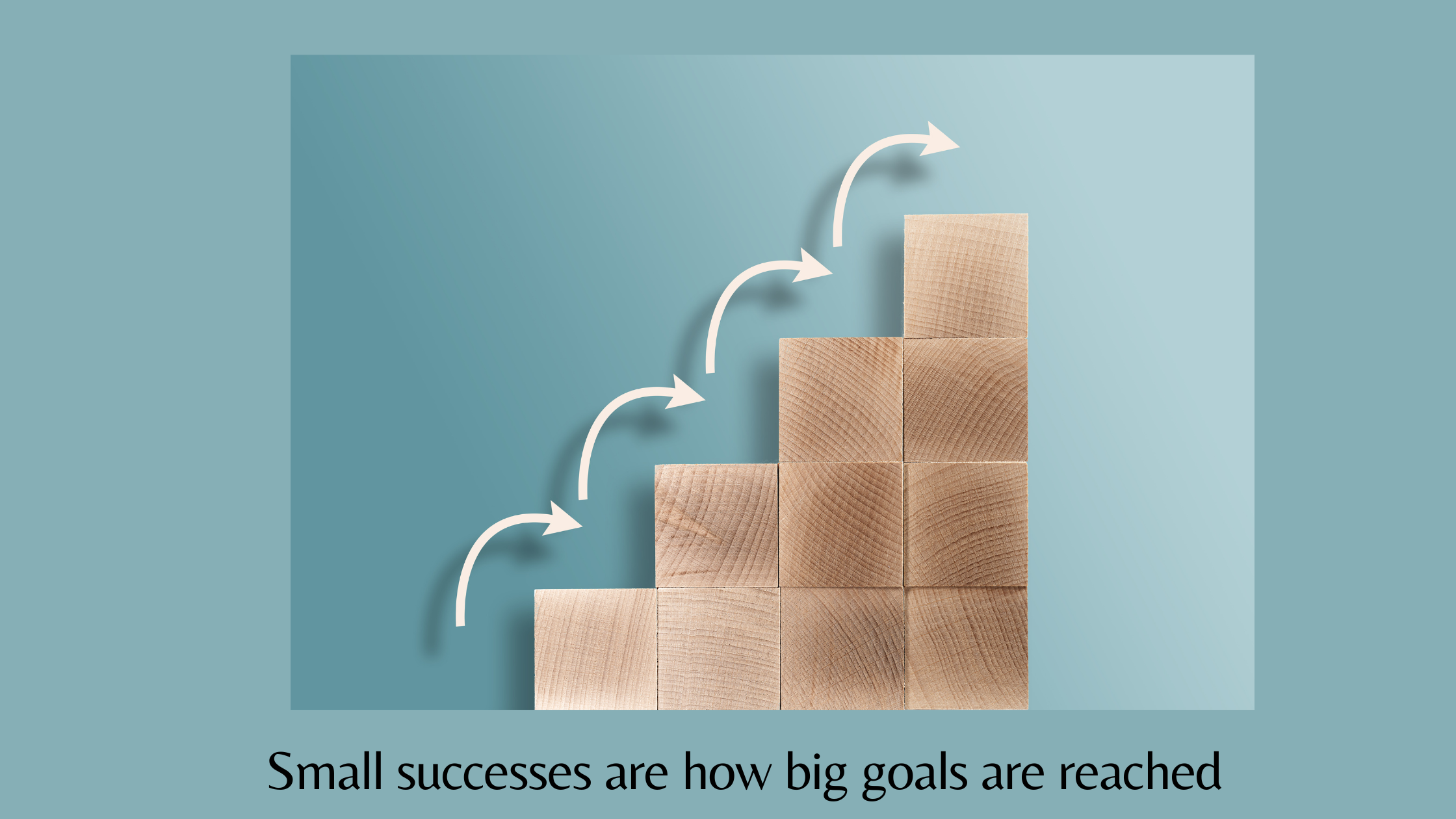
Have you been searching for a big breakthrough idea that will get your school community to recognize how essential you are? At the same time are you wondering where you would find the time to implement it? Big goals take a while before you reach success, and that can make them challenging to start. How do you get going and keep going?

Lisa Broderick in her Smart Brief’s article “Use ‘micro-measurements’ to achieve success” lists six questions you can ask yourself to help see the progress you’re making. Here they are along with my comments explaining how they slowly bring the success you crave and need.

  • “Did I listen today?” – Active listening requires you to focus on what the speaker is saying whether it’s a teacher, a student, or the principal. When you actively listen, you are able to hear undercurrents. You might notice the speaker is confused, stressed, or imparting important information. As a result, you are able to reply to the underlying message as well as its content. When the person feels heard, they are more likely to accept your answer. In the process you build trust and improve your relationship. You may also have a chance to hear how what is happening in your library is making a positive impact.
  • Did I make eye contact during meetings?” – Not just at department meetings or post-observation meetings. In all your meetings whether in the hall or a question from a student, you move closer to success when you make eye contact. It shows your interest in the speaker as a person. In a world that lives on text messages and email, eye contact stands out as a human-to-human contact.  As with listening, it builds the trust that leads to future connections which can lead to feedback that helps you move forward.
  • “Did I appreciate someone?”  – Sending a “good job” message is nice, but it’s not really appreciating someone. Be specific.  What did they do that made a contribution? The more specific you are, the more the person will value and appreciate what you said. If you have the time, a handwritten note is even better.  They are so rare, their impact is enlarged. We tend to like and want to be with people who like us. Again, this will start a relationship which is key to your success as a librarian.
  • “Did I take care of myself?” – Why is this here? Because in order to do any one of these questions (or take the ongoing time needed to achieve big goals) you need to be in a good place mentally. When you are overworked, overwhelmed, and stressed out, you are not likely to do any of this. What do you do to relax? (Do you remember how to do it?) Some of you are crafters. Make time to do some work on that unfinished project. I have friends who love to cook. If you are like me, you need to take a walk. These activities are not time wasters. They are success builders. Think of how you feel after you have spent time doing things you love.  Note: taking a nap can be taking care of yourself.
  • “Did I reach out to a former colleague?” – Doing so build success in several ways. Renewing good memories is soothing (and is taking care of yourself). It’s also helpful because the former colleague can be just the person to give you deeper insight and encouragement on that great idea you have been looking for and how to manage it.  Your PLN is a powerful source of information, inspiration, and connection to others.
  • “Did I take a small step toward my next big opportunity?” – Success frequently comes by your willingness to step out of your comfort zone. I left a job and tenure to take on a new position almost an hour away from my home. It was one of the best decisions I ever made. That new big goal – what’s one step you can take today? These will add up. You can also consider volunteering in your state school library association. It will expand your knowledge and your PLN. Submit a proposal to lead a presentation at your next library conference.  Even if it’s turned down, you will have learned from the experience and will do better next time.

Brodericks’s closing suggestion is to “try it for one week. Pick one question. Write it down. Score yourself 1–10 each night.”  Hopefully you’ll start to see the incremental changes. Small steps that lead to big changes and results.

Look at all you have learned and accomplished since you became a librarian. Add a small step. This is how you get closer to your Vision.  You don’t have to get there today or even tomorrow. Just keep moving in the right direction.