Spreading Joy

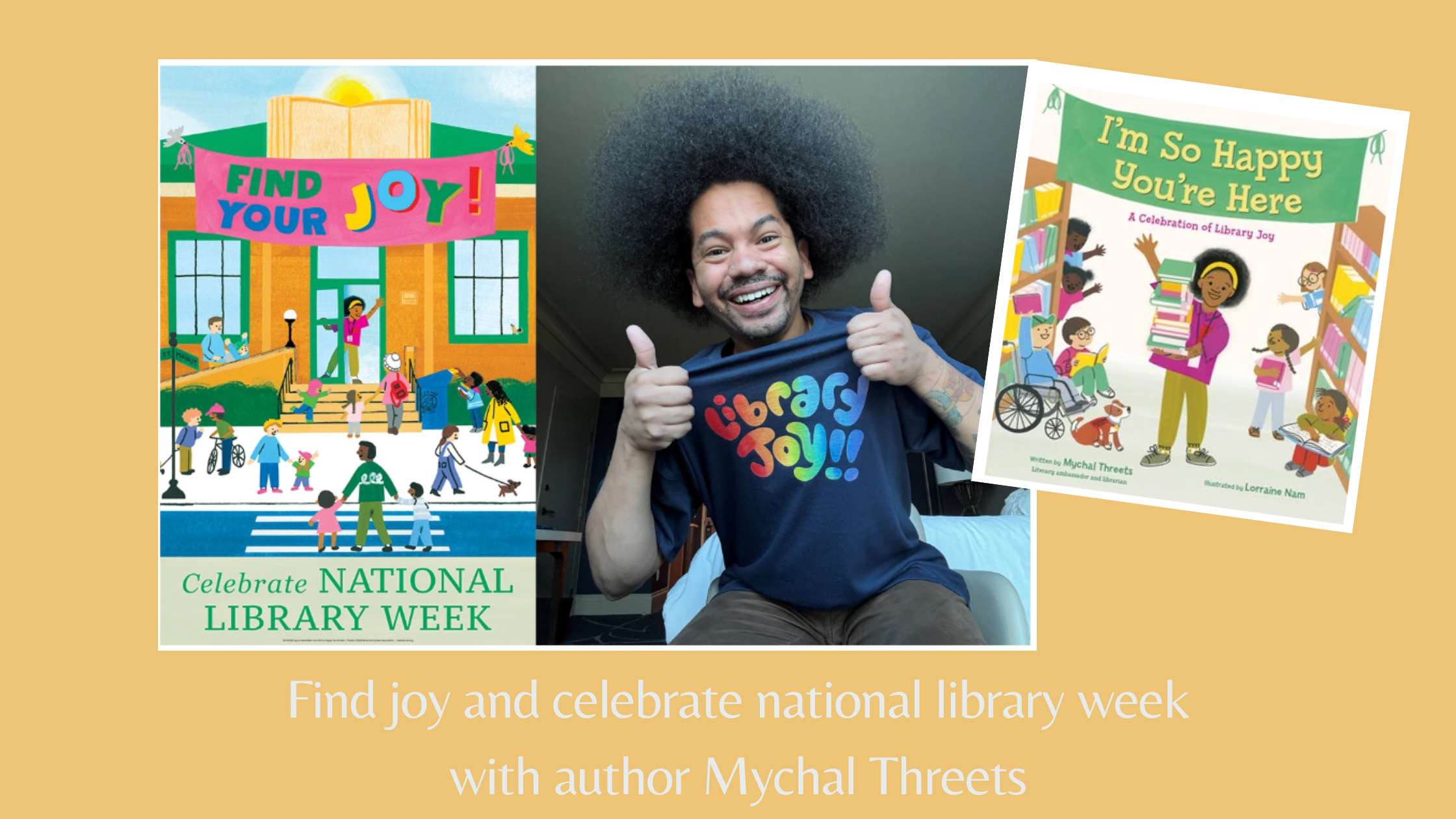
It’s National Library Week and the theme is FIND YOUR JOY embodied so wonderfully by “The Internet Librarian” and children’s book author Mychal Threets (and expressed in his book I’m So Happy You’re Here – A Celebration of Library Joy.). In recognition of his joyful advocacy and dedication to library life, Mychal has been honored with numerous awards: the 2024 I Love My Librarian Award from the American Library Association, inclusion in School Library Journal’s 2024 Movers and Shakers, TIME Magazine’s 2024 Next Generation Leaders, a 2024 Webby Award for Social Impact, and a spot on TIME’s inaugural 2025 list of 100 Creators.

Joy isn’t a topic we hear about much these days. But it should be and it can be, no matter how challenging it feels for us and the people we serve. Can you think of at least a few of those moments now?  A student getting excited about a book you showed them or finding just what they needed for a research project. A teacher realizing that your collaboration lead to a greater success than they anticipated. Maybe your principal being grateful for information you gave them that they were able to use at a school committee meeting.

Unfortunately, most days joy is far from what you are feeling and hard to connect to. But joy can be a powerful tool and finding ways to tap into it can turn difficult situations around. In her SmartBrief article “The joy gap: What’s missing in the modern workplace, Amy Leneker takes up the challenge of changing our environment. She offers these insights on joy.

The Myth that Widens the Joy Gap Leneker begins with myth that, “Stress is the price we pay for success.” Even before politics became a more common part of our library lives, we experienced stressed. We serve students, teachers, and the administration. Ours is a high pressure career, but if we lose our joy in what we do, we lose our “Why” for becoming a librarian, and are less successful in what we do. Leneker points to neuroscience studies showing that when the brain is stressed it has “less capacity for creativity, learning, connection and strategic thinking.” Each of these abilities is critical to being successful and serving your library community. Its time find our way back to looking forward to coming to work each day, or as many days as possible.

Where Joy Actually Comes From – Quoting Catherine Price, author of The Power of Fun, Leneker share that fun comes from a connection between playfulness, connection and flow. It is a“lighthearted attitude, creating a special, shared experience with others and committing to being active, engaged and present.” This is something that is very inline with creating a space that is welcoming to all. Bright colors, relevant topics, ways to have fun with what students are there to learn brings joy into the library and people’s days. We can share our successes and wins and encourage others to share theirs. And, instead of watching body language to recognize when someone is depressed or worried look for signs of happiness and joy in others then ask them what has put that smile on their face. Joy reigns when it is shared.

Science-backed practice – New and Good – It’s not surprising that sharing good news “triggers dopamine…improving mood and openness. Hearing others’ good news has a similar effect.” Yet most us of start conversations with what’s going wrong. Leneker suggests setting the tone of a situation by starting with some positivity. Asking, “What’s good today?” Or asking about a hobby, movie or favorite thing of the person you’re talking to will immediately bring more joy to your relationships and connections.

Start with Simple, Low-effort Wins – Small moments the bring joy can have long lasting results. Smiles, appreciation, meaningful compliments even when you are just passing someone in the hall has an impact. Start meetings discussing achievements, congratulate students and teachers at the beginning of a lesson. Leneker says to consider looking at where success and joy might have a place in your Mission Statement of Vision. “Our library is a place of joy where…”

Closing the Joy Gap Is a Leadership ChoiceLeneker says, “The joy gap isn’t inevitable. It’s the result of cultural choices.” Instead of trying to work harder, focus on the joy of learning, growing, and living. Spread the message as you go through the day. We tend to avoid people who are stressed and always busy. That won’t strengthen and build our relationship with teachers. How many students have avoided asking you questions because you seemed too busy or serious? Start with joy and see where it takes you.

My tip? Create a Joy Journal. Note when you have a “win.” Keep track when something or someone makes you laugh. Take time to notice something that brought lightness to your day. There is truth in the saying “laughter is the best medicine.” Look for ways to bring and encourage joy and watch what blooms.

Curiosity Grows Minds

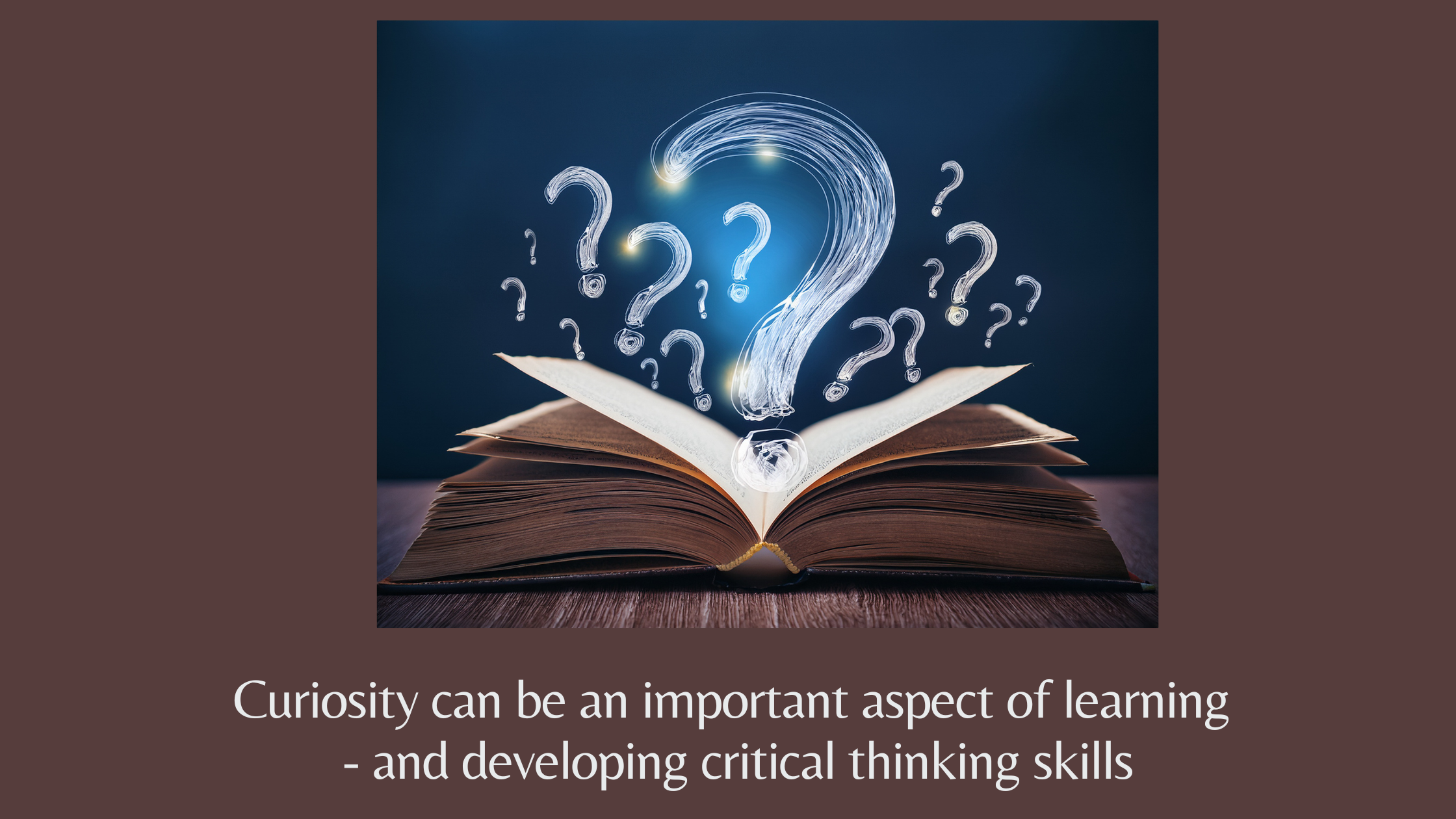
For a lot of people, if they curious about something, they google it. End of curiosity. It’s easy. But there are deeper questions that Google can’t answer. Those are the questions that fuel and grow minds.

Searching for answers to these deeper questions are at the core of the Shared Foundations in AASL’s National School Library Standards for Learners, School Librarians, and School Libraries, Second Edition. As the Framework for Learners states in Inquire. Learners “Build new knowledge by inquiring, thinking critically, identifying problems, and developing strategies for solving problem.”

In other words, the Learners are growing their minds.

How do you Inspire (the second of the Shared Foundations) students to generate the questions that lead to growing their minds? Tisa Montgomery, in her ASCD/ISTE blog Start with Wonder, provides a route to this deeper thinking.

An experience as a young student inspired Montgomery’s approach. Her seventh grade science teacher held up two freshly fallen green leaves and asked, “What would you want to know if you found these in a forest?” It was wonder rather than content that fueled the lesson. As the article continues, Montgomery quotes a study showing that curiosity is the force that “drives deep learning and meaning-making.” Most importantly it connects to the real world, making the lesson more meaningful and lasting.

Leveraging Curiosity‑Driven Questions – Two examples Montgomery offers are showing an elementary class on the water cycle the condensation forming on a cold soda can and asking, “Where do you think that water came from?” Based on her suggestion, you might ask students to consider how a recent book they read would be different if another character had written it. She points out: “The goal isn’t accuracy; it’s engagement… curiosity reshapes attention and energy in the room.” You also create a situation where there is no wrong answer – only deeper understanding.

Nurturing Student‑Generated Inquiry – The library is the perfect space for some of Montgomery’s suggestions such as posting a Wonder Wall to track evolving questions. Students from different classes can contribute to it making the process collaborative. Another example is to “Classify questions as factual, analytical, or generative.” This will also develop their ability to choose the best AI tool for research. Incorporate reflection, allowing students to refine their original answers as their inquiry grows. An example for middle and high school could be, “What defines a revolution?” Initially, they listed events and leaders. But as their inquiry deepened, they began to ask, “Can revolutions happen without violence?” and “What role does curiosity play in change?” (The last question has me thinking.)

What Leaders Can Do – As leaders we must be models of lifelong learning. Share your curiosity with students, teachers, and administrators. Ask students to identify one way you could have made a lesson more meaningful. Ask teachers where they feel they could use more help. Ask principals how you can give them data in a more meaningful way so they can use clearly and powerfully with their superintendent and Board of Education.

Curiosity didn’t kill the cat. It inspired them to choose an alternate approach. Look for where and how you can inspire it and spark the thinking, leading to a deeper understanding and appreciation of what you contribute to the success of the school community. And look for the places where your curiosity is sparked.

Six Steps to Improve Your Active Listening

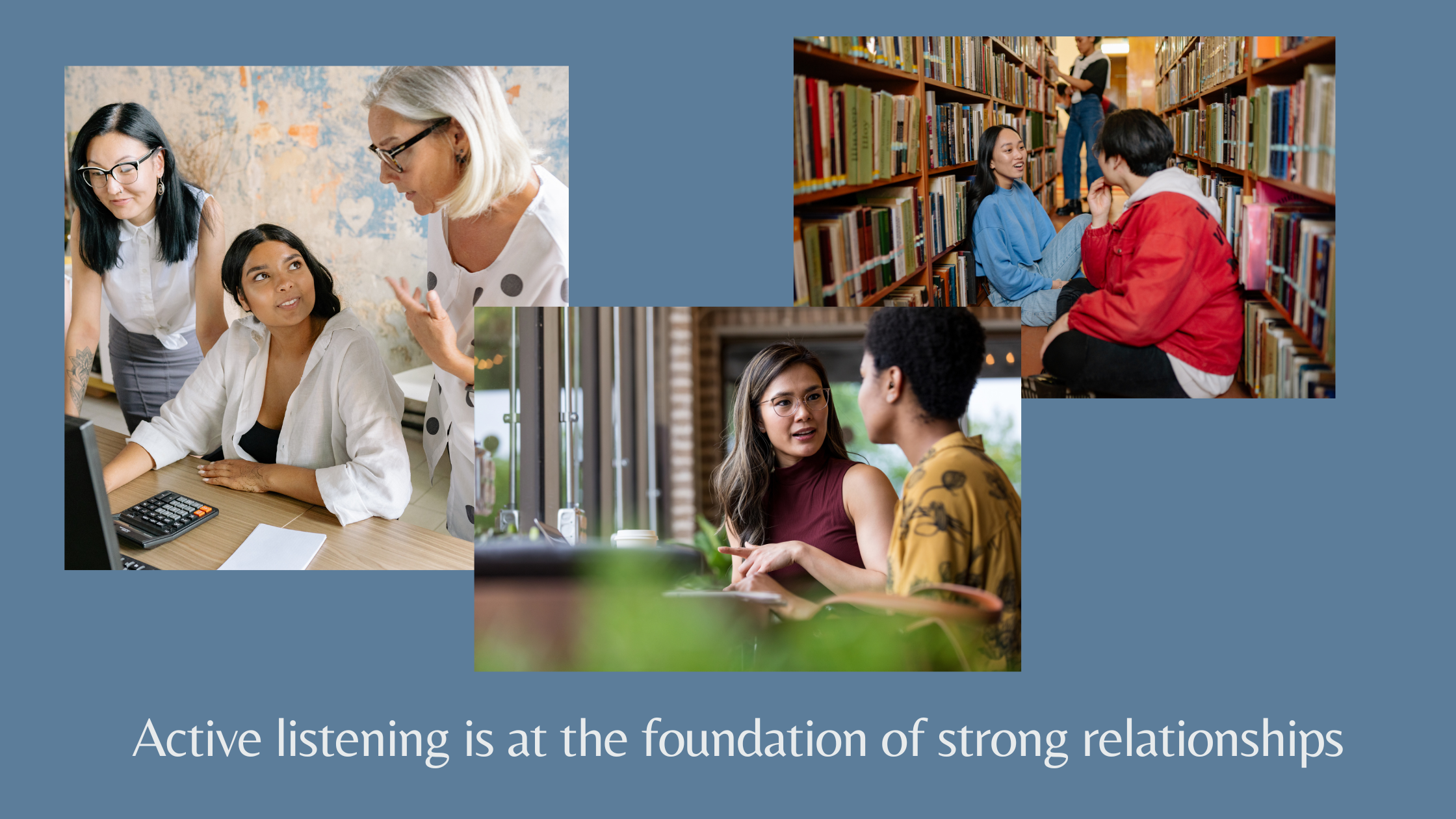
Can you hear me now? A familiar question when one is presenting and you’re worried if there’s a problem with the equipment. But the question is even more important when we are communicating with others. Active listening builds trust, and, as you know, trust is the foundation of relationships which we need with students, teachers, administrators and more.

Communication consists of three parts: the sender, the message, and the receiver. Once the message reaches the receiver, the process is reversed. The receiver becomes the sender, a new message is sent, and the former sender is now the receiver. When this works perfectly, the parties involved get and give the necessary information. However, all too often, there is static on the line affecting one or more of the three parts. By learning to be an active listener you eliminate or at least minimize this static.

In his blog article Why Active Listening May Be the Most Underrated Leadership Skill, John Mattoneprovides six steps to ensure you are really listening. Here are his recommendations, along with my comments on how it plays out in our library world:

  1. Listening Fully – This seems obvious, but Mattone explains this means, “giving your complete attention, reducing personal bias, and processing what the speaker intends to communicate.” You probably are seeing the problem already. In your overly busy day, you have multiple demands coming at you almost simultaneously. Also consider Mattone’s reference to reducing personal bias. Is the student always a pest, nitpicking details to delay getting to work? Is the teacher one who invariably rejects all your help? (Maybe that’s because you aren’t listening fully?) No matter the sender or the method, it is vital that you fully listen to the message you are being given. While it is most apparent in your verbal communication, your emails and texts also need your attention.
  2. Observing Nonverbal Cues – We communicate on the subconscious level in our nonverbal cues. Our body language conveys an enormous amount of information. Starting with our lips, eyes, and brows, moving down to our shoulders, and our posture in general, we are sending information. In your next conversation, notice the ones you are being sent. Does the sender seem nervous or self-assured? When you’re having a meeting with your principal, do they seem engaged, rushed, or concerned? By noticing these cues, you can give better responses. Need practice? The next time you’re in the supermarket or other public places observe the people you pass and see if you can determine what messages they are sending.
  3. Staying Present and Attentive – Mattone says, “Leaders must quiet internal noise, avoid mental drift, and stay centered so the person speaking feels valued.” While the student or teacher is talking, is your mind wandering? We have so much to do, we often are multi-tasking even in the middle of a conversation. Stay present as much as possible. Keep this in mind when during casual interactions. Watch and listen when you sign in or out. Observe and interact with students as they come in for a class. You can anticipate how a student or the class will respond to the learning experience and make adjustments when needed.
  4. Summarizing Key Points – When you do this after the other person finishes speaking, you demonstrate you have been listening. It is also an opportunity to identify what you might have misunderstood. As Mattone points out, “When leaders reflect back what they heard, they confirm accuracy and demonstrate respect for the speaker.” The summary allows both the receiver and you a chance to expand or focus on the essentials of the communication. (For those comfortable with AI – Gmail and other email services frequently include summary points of what was included in the exchange. It’s a helpful addition.)
  5. Asking Open-Ended Questions – Open-ended questions stimulate deeper thought into the desired outcomes along with the possibility of revising some of what a teacher wants or helping a student see what they need to do to pursue their investigation. In a conversation with your principal, it alerts you to their goals giving you the ability to tie your plan to their needs. Mattone says these questions, “uncover insights that support better coaching and developmental outcomes.”
  6. Maintaining Eye Contact – While only possible during face-to-face communication, this is a core component of Active Listening. It shows you are solely focused on the speaker. In Matton’s words, “It signals attentiveness, interest, and credibility.” He continues, “When leaders maintain appropriate eye contact, they communicate respect and commitment, reinforcing trust in the relationship and helping the other person feel fully heard.”

Active Listening isn’t an easy skill to master, but it is one you need in your leadership toolkit. You won’t always do it, but the more you are aware of it, the better you’ll get. Do you hear me?