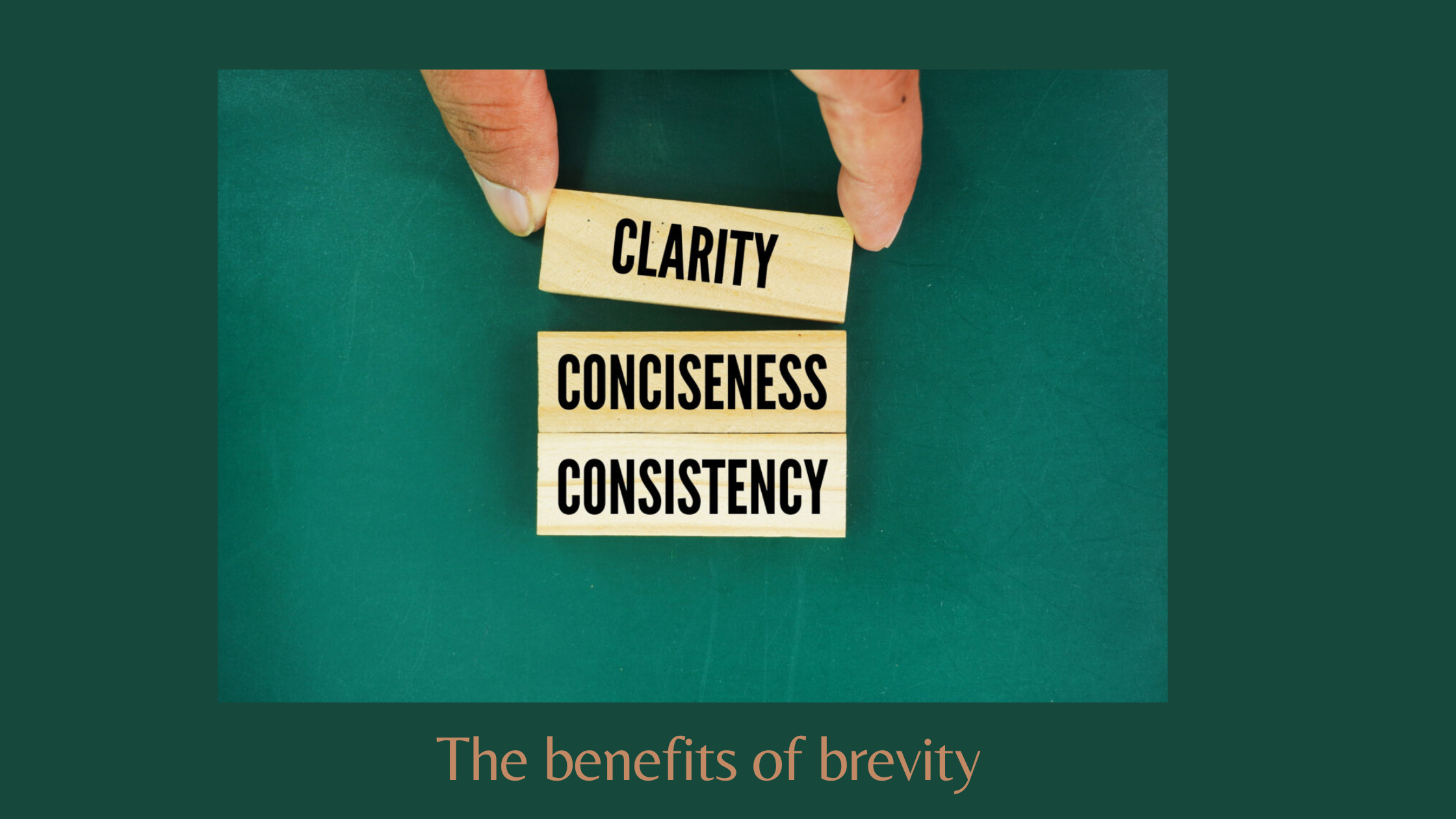
(Fauzi Muda/Getty Images)
Are you deluged with too many emails and social media posts? I am. How about new initiatives from the administration? Requests from teachers? It’s a lot and wading through all of it saps your concentration. You probably need to go over it several times. And who has time for everything?
If you dislike receiving all those long messages, you can be sure recipients of your communications feel the same way. In his blog post, “I’ll be brief: the power of just a few words”, Larry Robertson reminds us that it’s not the number of words that matter. It’s the power they contain. And frequently, shorter is better.
Google’s 12-word road map – You can get a lot done with very few words. When they raised money to found Google Larry Page and Sergey Brin used twelve words to get people on board: “To organize the world’s information and make it universally accessible and useful.” That’s a Vision Statement. Robertson points to its clarity and brevity. Brevity doesn’t work without clarity. Choose your words carefully whether you are crafting a Vision or sending an email to your principal. Prepare your opening statements to students when introducing a learning opportunity. Too many words and you lose them. Think about what will most capture their interest?
Look for words that provide clarity and direction – You probably don’t need to give as much detail as you think The usual step-by-step directions often locks students into a pre-conceived approach. Allowing for their creativity while aiming for a goal will get them engaged. In your dealings with the principal, if you highlight what you want to achieve and why, you are telling them you are not locked into one approach. Rather, you are open to a discussion of how best to achieve the results and why it’s important.
Words as guides for success – There are so many synonyms for powerful words, but they don’t mean exactly the same thing. They each convey a slightly different sense and will draw different reactions. I regularly rewrite sentences and my editor take the rewrites further. For example, before settling on “regularly,” I considered “often,” “usually,” and “frequently.” (How did I do?) Robertson says, “The right words can offer guidance to success, for the leader, to be sure, but also for her team, its external partners and even for their marketplace.” He is talking to the business world, but it’s equally applicable to our interactions with students, teachers, administrators, and the outside communities.
And to show I am following his advice, I am keeping this blog short. Our time is a precious commodity. We all need to spend it wisely.

