Leaders Show They Care

Watch the news the news or scroll through social media and it’s quickly clear that everyone is feeling stressed, overworked, and underappreciated. As librarians, we not only feel, but are actually under attack as well. Our jobs, our collections, our programs are under some intense scrutiny. Fortunately, there’s an unexpected tool that can help – Caring.

Sometimes the best way to deal with the negative emotions is by helping others. Our students need their teachers and librarians to bring our best selves each day, no matter how difficult. When we start by remembering how important and impactful the work we do is, we can tap into the power of connection.

In her blog article, The duty of care: How leaders can anchor teams in turbulent times,  Julie Winkle Giulioni presents seven ways to show caring in the business world. Here they are her seven, along with my adjustments for their application to the school setting.

  1. Benevolence– Make time to know what others value, what they care about in their school and personal life. Your interest in them opens the door to sharing and easing a burden they were carrying on their own.
  2. Trust – As I have often said, trust is the foundation of relationship, and as a leader you must build these relationships. Trust can come from keeping your word as well as keeping confidences. What a teacher may have shared with you is not one for you to share with others unless you have been given permission.
  3. Respect Giulioni says this is about how you listen. Listening is a core skill in leadership.

You honor the other person’s journey and don’t jump to judgement if you don’t agree with their path.

  • Empathy – When teachers allowed you in on their worry and pain, let them know you care. You can share a similar pain, but don’t try to top theirs.  This isn’t a contest.
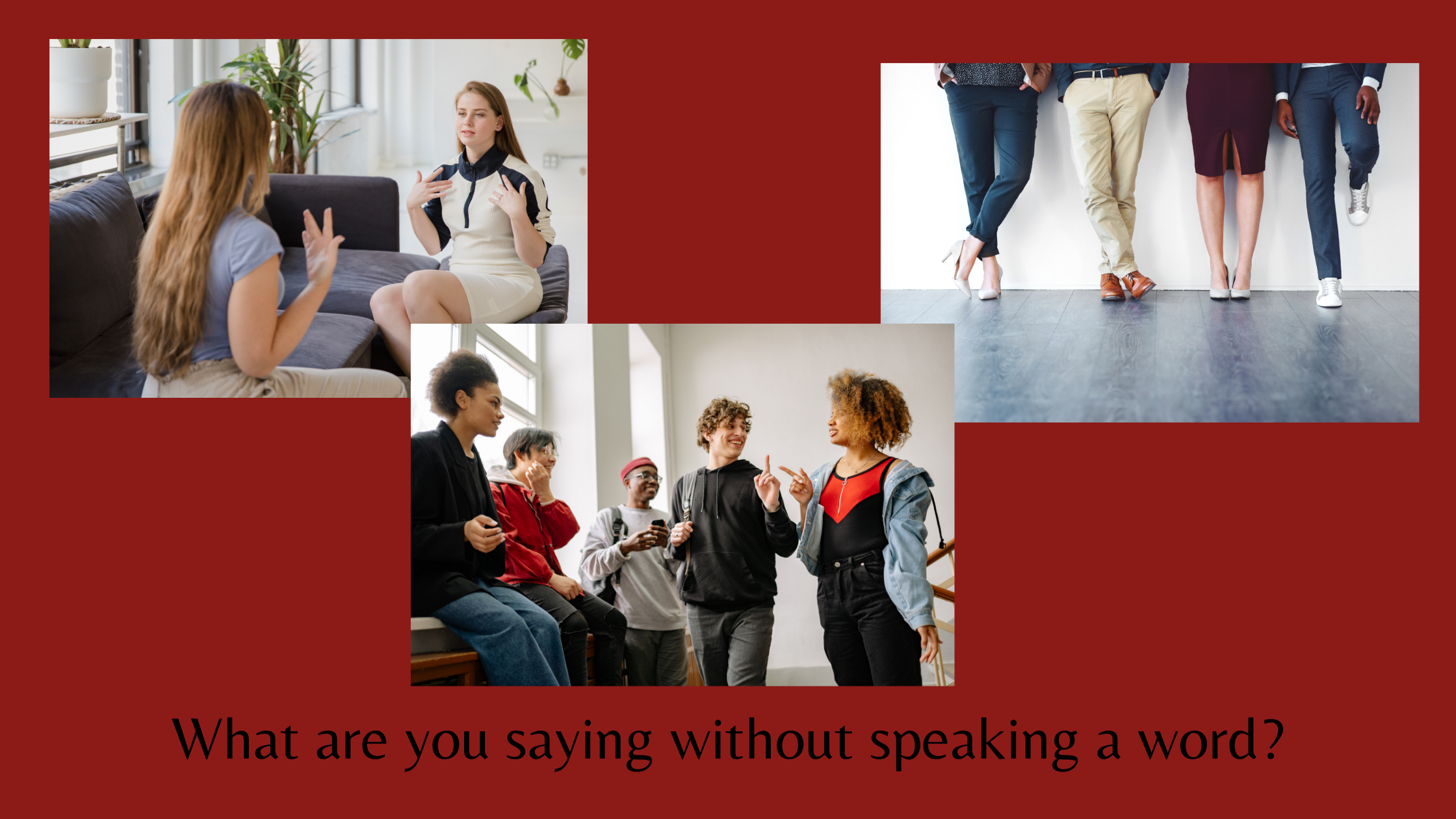
  • Communication – You show your caring by how you speak to students, teachers and, yes, administrators. According to Giulioni, you do so by welcoming their perspective and accepting their emotions. I would add the importance of tuning it to what is communicated in their body language. People sometimes mask their emotions on their faces, but you can often pick up what they are feeling by the way they are standing and subconscious hand movements. Pick up on these and ask about them if you notice something isn’t right.
  • Vulnerability – In this case, it doesn’t refer to over-sharing. Giulioni says it means admitting when you don’t know everything and when you have made mistakes. We are all human. Show your human side. It give others the space to do the same.
  • Support – You are in this for the long haul. It isn’t a one-time thing. Follow up on your conversations. Ask how things are going when you know there’s been a problem. Offer to help if they need it.

We are going through tough times, but I have always held on to the mantra, “This will change.” Nothing stays the same. Bad times become better, and good times go bad. But even when we can’t control what happens, we can control how we deal with it. What you do now will impact your relationships when times get better. Stay connected with people. In the words of Theodore Roosevelt, “Nobody cares how much you know, until they know how much you care.” Leaders care about others.

It’s More Than Your Words

You are a relationship-builder. It’s one of your most important abilities. The relationships you create power and empower your program and the advocates who support it. To build relationships, you need to send clear messages. Unfortunately, there are many ways in which you can inadvertently garble it. Your communications are too important to the sustainability and growth of your program to chance them not being heard.

To avoid sending a mixed message, it’s helpful to be aware of ways in which it can go wrong and how to prevent that from happening. Wilson Luna in his article, Your Words Only Tell a Fraction of the Story — Here’s Why Tone and Body Language Actually Matter More, discusses a rule you probably don’t know and how to use it: Dr. Albert Mehrabian’s 7-38-55 Rule.

 Developed by psychology professor Albert Mehrabian in 1971, it states that “7 percent of meaning is communicated through spoken word, 38 percent through tone of voice, and 55 percent through body language.” It is astonishing to discover the words you use say only constitute 7% of what is taken in by the listener and more than half comes from your body language which involves your facial expressions, gestures, posture and eye contact.

Let’s try an exercise. Choose a sentence or two. Think of an emotion and then, saying the sentence out loud, convey that emotion using your vocal tone (pitch and pace). Repeat the sentence while thinking of another emotion. Let’s move on to body language by repeating the last exercise. Say the sentence with supporting body language. Now say it with contradictory body language. Can you hear the difference? Can you feel the difference?

Hopefully, most of the time, your voice and body language are aligned with your verbal message. The challenge is to be aware of times when the three or two of the three might not be in sync. To keep the communication channels clear, Luna offers these ways to ensure each of the ways you are sending the message you want:

Improving verbal communication: The practical ways

  • Clarity and brevity – Keeping it short and to the point is always safest. Everyone is pressed for time. Don’t clutter up your message. This is particularly important in speaking with your principal.
  • Intentional speaking – Think before you open your mouth. For important conversations, try mentally rehearsing your opening statement. Tell them what you most need them to know.
  • Eliminate filler words – “Uh’s, ” “umm’s,” and “you know’s” block the clarity you are trying to achieve. Rehearsing helps here, too.

The 38%: Using your voice effectively

  • Tone matching – Your tone of voice should match the message. The exercise you did with tone will help you keep them aligned. Don’t laugh off difficult news. Don’t assume good news will be met with more problems.
  • Pitch control – Speaking in a high pitch makes you sound nervous, which the listener may translate as unsure. Low pitches transmit confidence. Women’s pitches are naturally higher than men’s which give men an advantage here. See if you can modulate your tone lower. Also, ending your sentence with an up pitch sounds like you are asking a question, which is heard as insecurity with your message.
  • Controlled pacing – How fast or how slowly you speak can reduce the impact of what you are saying. Too fast and they may not hear every word. Too slowly and you might bore them, and they will tune out. Moderate is good for most things, with slightly faster speaking suggesting eagerness that pulls  listener in.

Strategies to improve nonverbal communication

  • Maintain eye contact – The expression “shifty-eyed” shows what happens when you don’t look someone in the eye. On the other hand, non-stop staring can make a person uncomfortable, too. Luna says “avoid doing it regularly. Instead, use eye contact as a gesture when speaking.”
  • Use facial expressions – Your face does most of your communication. A genuine smile goes a long way in getting your message heard. Do some mirror practice if you don’t feel confident with this. Head tilts also suggest interest, as does nodding when the other person responds.
  • Use purposeful gestures and open posture – You want your body to be loose and responsive to the content of what you are saying. When watching a program, see how the actors use gestures. Note how politicians use them in their speeches. Crossed arms say one thing. Hands in your pockets, another.

Save these suggestions, particularly the rehearsal ideas, for when you need your message to be as clear as possible. Whether it’s a meeting with your principal or a job interview, knowing how to communicate with clarity and confidence will have them hear and recognize you as leader you are.

Get Your Messages Read

TL;DR – To have your message received, it must be read. These six tips will make sure that your messages are heard by recipients.

Text, email, and posts on social media are how we send and receive most of our messages today. We scan and read quickly. Do we take it all in? Mostly, but not always. When we receive lengthy emails, we read the opening paragraph and once we see how long the message is, we tend to scroll through to pick up the highlights (and now many servers offer AI summaries). The same is true with our social media posts.

We don’t always think about the messages we send in the same way, but the receivers do. Our communications with administrators and teachers are very important to us and too often we pack too much into them. The challenge is to be more succinct but also improve the look of the messages so they get read, and we get the desired results.

John Millen shows you how to achieve that goal in TL;DR: Be More Clear and Concise. (For those like me who are unaware of the abbreviation, TL;DR means “too long, didn’t read.) His guidance will ensure that your messages are not tagged that way.

Here are his 6 tips:

  1. Start with the purpose up front – You want to grab the reader’s interest. Clearly share the purpose and focus of your message is at the beginning. It’s something I strive to do in these  blogs.
  2. Use structure to your advantage – Bullet points, bolds, and italics along with number lists and short paragraphs draw a reader’s eye and help hold their interest. Long blocks of texts make people scroll faster, especially on smaller devices. Here I always have ways for you to see the important points quickly and keep most paragraphs to no more than three sentences.
  3. Prioritize the most important information – Whatever is most important, put it first. Millen says to think about the main idea or required reaction, why it’s important now, and what the reader needs to do next. By guiding the receiver through the key points they move through the contents and retain it. And if they rush to the end – the didn’t miss the most important parts.
  4. Anticipate reader questions – Millen observes that “great communication isn’t just about telling; it’s about answering.” Until seeing this blog, you might not have thought that your message structure was why you weren’t getting responses. The opening paragraphs hopefully answered that question for you.
  5.  Edit relentlessly – Consider your sentence length. Is the sequence logical? Could I use a better word? Have you slipped into jargon or are you using acronyms the reader might not know? Don’t give them a reason to stop reading. Keep them engaged.
  6. End with a call to action or key takeaway – Don’t leave your reader wondering what they should do next. Be clear: respond, call, set up a meeting? Is there a final point you want to drive home? Reiterate it at the end to make a strong lasting impression.

Leaders need to be clear communicators in all the ways they look to get their message across. Your messages are too important for them to be regarded as TL:DR. Keep these six tips in mind as your prepare your next one so you get maximum impact.

Getting Others to Work With You

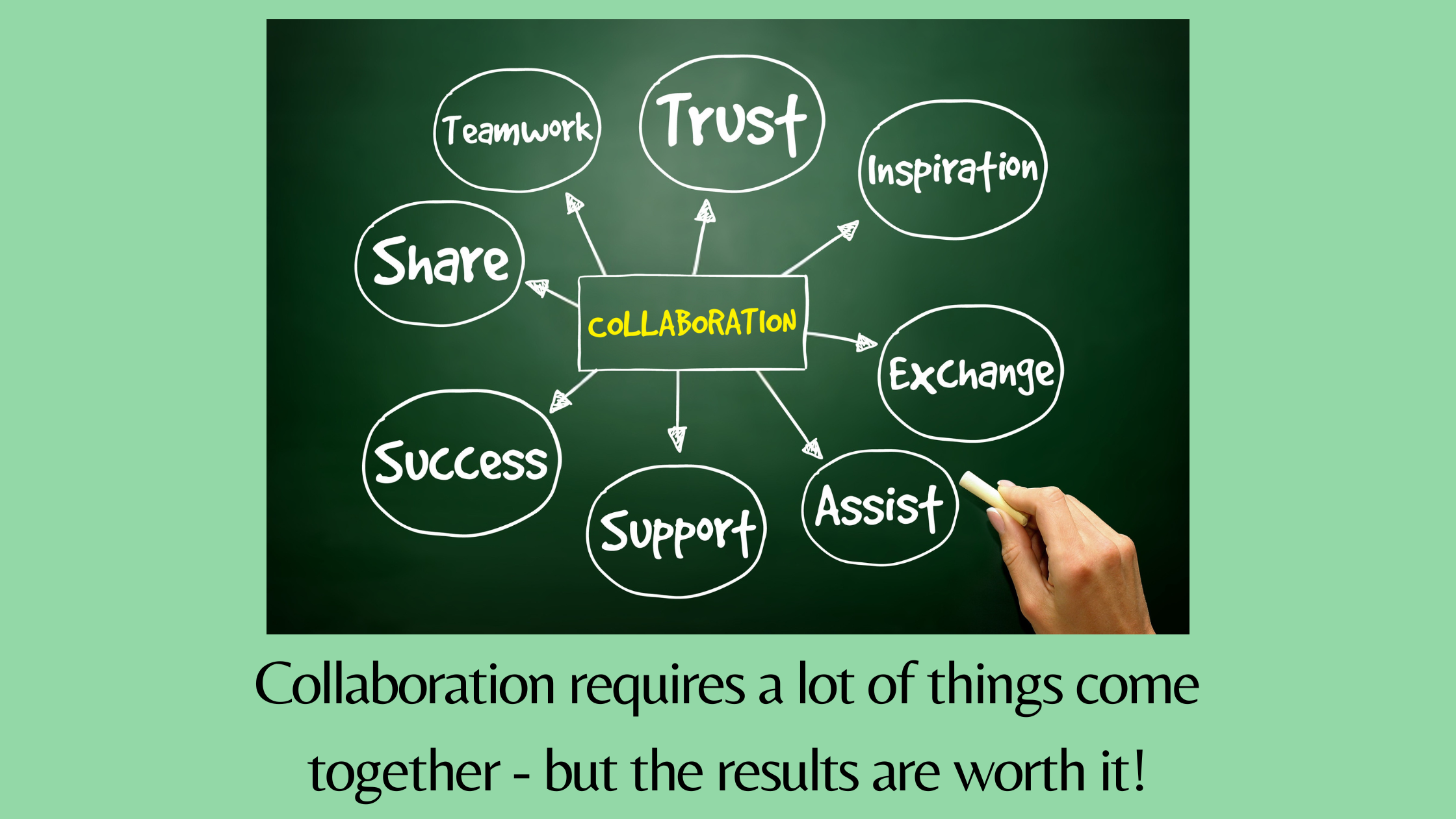
You are only recognized as vital to the school community when others know what you do – not what they think you do. And best way to make certain you’re better known and understood is to have a cooperative or, even better, a collaborative relationship with teachers. Then a peer becomes and ally.

With some faculty members, it’s easy. Others use the library as little as possible. In elementary school, they drop off their students and depart for their free period. In the upper grades, they bring their class to complete an assignment without you and don’t want your help. Somehow, you need to reach these uninterested teachers. If your past suggestions have been ignored, what can you do?

In her article, How to Get Genuine Cooperation from Difficult People, LaRae Quy provides a five-step approach for those in the business world to solving that challenge. Here are her steps, with my suggestions for those of us in education:

  1. Remember, our first reaction is to not collaborate – The teachers with whom you don’t have a natural connection likely feel they know their job and don’t need you to help them to do it. Quy’s suggests reaching them through a common interest. What do they care about? Email them about a resource or article that focuses on it. Follow up with one that says you hope it was helpful. Offer to work with them on a learning project on the topic. Ask them how they would like to structure it. Accept their approach, adding, as necessary, “we could also…” as a way to show how you can support them.
  2. Control facial responses – Not only do we communicate verbally, in print, and digitally, we also communicate silently with our body language. Our facial expression sends a message. Is your concern, disinterest or disdain visible? You don’t want your face to show that you think the teacher’s approach is not nearly as productive as it could be. Your negative silent message will carry a greater impact than your verbal positive one.
  3. Share personal stories – No one knows better than librarians how stories build connections. You might share memories about learning that topic when you were in school and any impact it had on your life. Figure out your story in anticipation of this conversation to keep it natural. Hopefully, your story will bring out one from the teacher. Now you have a new common interest and connection you can build your relationship on.
  4. Refuse to let it escalate – Should you get a strong negative response to any of your suggestions, keep from answering in the same manner. If you do, you have lost the possibility for any cooperation now or in the future. Quy offer saying this as an alternative, “I see how you feel (or think), but here is another way to look at the situation…” Start by acknowledging their reaction. It’s not easy to do in the moment, but knowing the importance of keeping your cool will help. (And work on controlling your body language and facial expressions.)
  5. Appeal to higher moral ground – Find a shared common value and speak to it. For example, you could say, “We both want our students to be successful not only in their studies but in becoming lifelong learners in an ever-changing world.” Common beliefs build connections, and connections build relationships.

The first time you try this with a teacher, it might not work and it may feel uncomfortable because it’s new. Collaboration might not come naturally for you either, but that’s not a reason to stop. Try again in a few weeks. Don’t give up. It’s too important. You can do it. You are a leader and have overcome obstacles before; you will do it again. The results – and the ripple effects to other teachers – will be worth it..

What is Your Body Saying?

We are in constant communication. When alone, we communicate with ourselves by what we’re thinking, whether it’s a negative assessment, a positive mindset reframing, or a review of what is next on our to-do list. But non-verbal communication happens as we interact with others. And all the time.

A teacher greets you in the hall. At a barely conscious level, you access your history with them. Do you have a good working relationship? Is there one you are trying to establish? Have they been resistant to your previous outreaches? You also note how they look. Upbeat and happy? Tired? Annoyed?

While you are receiving this non-verbal message, the teacher is receiving your non-verbal message. Do you know what your body is saying? All of this occurs mostly without conscious thought, but that doesn’t make it less impactful. And when you begin talking, these non-verbal messages affect the response you are likely to get.

 As a leader, it’s important to be aware of how and what you communicate. I wrote about the many types and ways we communicate in my book, The Art of Communication: A Librarian’s Guide for Successful Leadership, Collaboration, and Advocacy (Libraries Unlimited, 2022) (currently less expensive in print than in Kindle!). I addressed our library world, of course, but the business world is also discussing the importance of understanding the many channels of communication we use.

Cheryl Robinson tackles the topic in her article, “What Your Body Language Says About Your Leadership Impact.” She notes, “Research underscores that body language has a greater influence on perception than verbal language alone. Positive, consistent body language reinforces trust and authority, while incongruent or negative cues may lead to misinterpretation or distrust.” Robinson goes on to detail how and what you are communicating.

Key Elements of Leadership Body Language

  • Body Movement – How are you sitting and standing? Fidgeting doesn’t send a leadership message. Sit up. Hands relaxed. A meeting with your principal or an upset parent is the most likely time to stay aware of this.
  • Posture – Shoulders back. Don’t slouch. It sounds obvious, but if you are not conscious of where your body is in space, you may he hunched over or low in a chair without realizing it.
  • Facial Expressions – Looking interested is important, but don’t overdue do it. Be animated, but not false. Faking it can be seen and negatively interpreted.
  • Space/Distance – Each of us occupies a physical space that extends beyond our body based on our size and culture. Too near is intimidating. Too far shows disinterest. Be aware of what you are doing and the (dis)comfort of those around you.
  • Gestures and Eye Contact – Open gestures are inviting, but too much gesturing is distracting, taking away from your message. You’ll seem frenetic and anxious. Maintaining eye contact shows trust and confidence (although be aware of cultures that consider it intrusive). Smiling genuinely is always positive.

I’d also add to this list: Listen attentively. Pausing before responding shows you paid attention to what was said.

Think of the best leaders you know. What do they project? How do they do it? Robinson states, “Maintaining a strong yet inviting presence is essential to conveying leadership effectively.” As leaders and librarians, we are in the relationship business. Being aware of what we are communicating enhances our ability to build these relationships. Know what messages you are sending and become a more effective and connected leader.

Time for a Reboot

New calendar, new planner, new month, new year. The start of a new year is the ideal time to take stock of where you are and where you want to go. You have completed about half of the school year and had your winter break. It’s time to return to work.

What will that work be? Will it be a daily slog till the end of the year? That doesn’t sound like a leader. When your computer gets sluggish, you reboot it. Now it’s your turn for a reboot.

In his article, Warning: Upgrade Your Personal Operating Model, Arne Gast opens with the statement: Effective leaders continually adapt their priorities, roles, time, and energy practices to stay ahead of new realities. He then goes on to present numerous steps to the business workers on how to move their career forward. Much of his advice can be applied to our work life. Here are some of the key steps along with my interpretations for the library program.

Assess your priorities – What is your main purpose? Look at your Mission Statement. Does it still capture the focus of what your program needs to be? Tweak it if it doesn’t. Remind yourself of what is at the core of what you do. Let these priorities inspire you.

Do you fully understand your mandates? – Who are your stakeholders? Do you fully understand their wants and needs and how the library meets them? Remember these 4 Truths:

  • Every library, regardless of its type, is part of a larger host system.
  • Every library, regardless of its type, gets all its funds and resources from this larger host system.
  • Those funds and resources depend on the value of the library to the larger host system.
  • That value is determined by the larger host system.

What can you quit doing now? – This is a tough but important one. How many projects do you have going? What’s in your daily routine that drains your time and energy? Can any be reduced or combined? Or still better – eliminated? If not, look to plan these things according to your energy. Tackle the least important (ex: emails) at your least productive/creative time of day.

Are you focused on the work that only you can do? – We bring greater breadth and depth to the educational program. What are you bringing to students? Teachers? Administrators? How are you implementing your Mission Statement on a daily basis? What, if anything, do you need to change? You are the only librarian in your building. Let your unique contribution shine.

Who has your back? – Which teachers collaborate or cooperate with you regularly? Does your principal know and support the work you do? The underlying question is how successfully have you been in building advocates for the library? After you answer this, determine what do you still need to do. Create an advocacy plan for the remainder of the year if you don’t have one in place.

Manage your time – We’re tired of hearing this, but there are only so many hours in a day. The skill of time management is to maximize what time is available. (And this goes back to “Whaht Can You Quit Now). Have a basic schedule for when you do certain tasks, recognizing there will always be incidents that require immediate attention. The schedule helps you get back on track. Know your most productive times. Use the least productive time for routine, almost non-thinking, tasks.

Optimize your energy – No one can keep going without draining their inner batteries. You need time to recover and restore your energy. Incorporate self-care and time for family and friends into your schedule (yes, put it in that new planner(. You will be more productive and bring a more positive mindset to your work day.

Who are your real friends? – Who are the people with whom you can safely and appropriately vent? Who do you talk to when you are stressed out? In addition to your PLN (professional learning network) you should have another PLN — a personal learning network which should include family members and good friends.

Gast’s steps will get you ready to return and be the leader you need to be. I have one more step.

Make time for gratitude – It’s easy to be negative. So much is wrong in education and in other areas of our lives and the world. Focusing on that gets us nowhere. Make it a point each day to find three things for which you are grateful. It can be as small as a teacher thanking you for a website or app you found for them. Or it can be as big as getting a grant. You’ll find your spirits lift when you notice these moments

Positive leaders attract others to them. Use these steps to recharge, recommit, and be ready to step into success.

Happy New Year.

It’s a Wicked World. Make It Work for You

There’s no question that things have gotten wicked these days. It’s hard not to be fearful and stressed, but that way takes the joy out of what we do. We know our students and teachers need us to be our best. How can we deal with the climate we face?

We are leaders. We don’t react; we act. It’s time to generate positive PR about school libraries and school librarians. And what better way to do it than to tap into the popular (see what I did there?) movie Wicked to inspire us and bring some levity to a serious challenge.

Kim Marcus guides you through the process in her article, 5 PR Lessons From Wicked and Its Most Iconic Characters. Laugh a little as you apply their route to success into your world.

Elphaba: Own Your Narrative – This is one we must develop. Like Elphaba, we have often been unfairly cast in the role of villain. Markus says, “Be proactive in telling your story.” We are good at tech and story. Be creative in using video, well-designed infographics, and other tools of our trade to show what kids are learning and doing.  Design a logo and tagline if you haven’t done so yet and look for ways to get it out to your school community and the larger one that doesn’t understand the depth of complexity of what a librarian’ s job is.

Glinda: Embrace What Makes You ExtraordinaryGlinda knows all about how to be popular and win others over. We know how to connect learning to life and life to learning. We know how to find the “just-right” book for a kid and the most helpful tech resources to power a teacher’s lesson. Take in your strengths and use them to send your message out to the communities you serve.

The Wizard: Avoid Misleading Narratives – We aren’t the ones using smoke and mirrors to send out the misleading and fictitious narratives, but we do need to counter it. For these PR techniques, this means being mindful of avoiding the pitfall of “not statements.” Never say what we don’t do. Thinking we are countering that message by denying it, we are in fact reinforcing it. People tend to blank out the “not’s” when recalling points made.

Madame Morrible: The Power of Influence – The best way to deliver your message is to have someone else say it. Advocacy is always the key. Students’ showing their projects created through using the library and commenting on what the library means to them are your first best influencers. They tell teachers and parents who speak more often to administrators. Those fanning the campaigns against school librarians claim students are being damaged. Let your students show their successes and growth.

The Townsfolk: Build Word-of-Mouth Trust – Marcus points out it was the townsfolk who spread the lies about Elphaba. Our townsfolk, or a vocal section of them, are doing the same to us. Make a point of getting out into your community. Go to and use local businesses. Mention as if in passing that you are the librarian at the school. Make positive comments about the business. In other word, build a relationship. Look for opportunities to help them with a tech issue and/or find information they need.

It is definitely time to defy the gravity of negativity pulling us down. Tap into these lessons from Wicked. Because every librarian deserves the chance to fly.

Quiet Doesn’t Have To Go Unnoticed

You know it’s important for others to view you as a vital part of the educational community. But what if you are an introvert? How can you get your message out when you are uncomfortable speaking up and actively sharing your accomplishments?

A few weeks ago, I wrote about how extroverts can benefit from using some of the strengths of introverts (Leadership Strengths of Introverts). These are the strengths you use naturally. For example, you are likely a deep and aware listener. You are good at tuning into what the teachers are saying or hearing the places where your principal is struggling. This awareness is a powerful skill when used purposefully. Knowing what others want and need, seeing where your skills can support them, allows you to help them get it. You don’t need to talk. Just do.

In her article, How to Get Noticed at Work as a Quiet Person, Jessica Chen, author of Smart Not Loud: How to Get Noticed At Work For All the Right Reasons, provides several suggestions you can use to support your success:

  • How you talk about your wins – Telling people how great you are or how well a program did is very uncomfortable for you. This isn’t necessarily a problem, since people often discount what they hear if they feel it is bragging. What you can do that will feel more comfortable is focus on the success of those you worked with. Talk about something the students created or about the teacher who worked with you on a learning project.
  • Spend time – Which teachers are considered stars? Which ones talk up about the great things they have done? Make it a point to spend time with them and find ways to collaborate with them. They will spread the word. They always do. And this time, you will be included in what they are saying.
  • Find your differentiating factor – Chen asks you to take the time to identify what it is you like to do and comes easily to you. Chances are, this is something that is challenging and/or less fun for others. Don’t discount it because it’s easy for you. This is your superpower. Once you know what it is, stop and think about who can benefit from it.
  • Link your talent to opportunity – Listen (already one of your skills) for more opportunities where you can offer your superpower to help someone. (Don’t worry, you don’t have to call it your superpower.) Knowing how to meet people’s needs and wants is a great way to get noticed by them. When you work in collaboration, there are more people to talk about the success – which means you can say less.
  • Expand your reach – Think bigger. Look for school and district committees where your talents and skills support their long and short-term goals. Once on the committee, do what you do so well – wait, watch, and listen. You will soon see ways you can help and once you do, your contributions will be noticed.
  • Advocating for yourself – Promotion yourself can be a huge challenge for introverts. Chen suggests using the acronym ACCT to guide you.
  • “A” is for Asking for what you want – Things won’t be given to us just because we work hard. Only you know what you need. Get clear, get specific, and ask. Your ongoing success depends on your speaking up for yourself.
  • “C” is for Circling Back – Most of the time you won’t get an immediate answer to your ask. This means you need to ask again. It shows you are serious. Go back to your clarity. They didn’t respond because of their priorities, not because the answer is no.
  • “C” is for Celebrate Your Wins – This is neither boasting nor something that has to be done “loudly”. If a teacher sends you a note about how a lesson has impacted further learning by students, after thanking her, forward it to your principal. (I also keep a Success Journal to keep me empowered.)
  • “T” is for Turning Down Requests – You have to know when (and how) to say “no.” If you take on everything you will soon be overwhelmed, and your work will suffer as will your personal mental health. You won’t have the ability to advocate for yourself. Instead of saying “no”, offer alternatives.
  • Speak up in meetings – I can almost hear the panic. This can be a real challenge for introverts, but Chen has an answer: The 4 A Sequence (and only three of them require you to say anything):
  • Active Listening – Use this skill to listen for the right moment to enter the conversation.
  • Acknowledge Your first statement should make reference to the previous speaker. You can concur if you agree or say something neutral if you are about to disagree.
  • Anchor  – Having acknowledged the last speaker, use a few words from what the person said in introducing you comment or idea. The connection makes your response fit in the context of the meeting.
  • Answer Now say what you have to add to the conversation. Stick to the point. Make it brief.

You have amazing skills and strengths. Being an introvert doesn’t change that, but they could be hidden. Look to see which of these steps are ones you feel you could incorporate. Soon, you will feel safe stepping out of your comfort zone, and your community will see you as the leader you are.

Becoming a Great Leader

Which one of these have you heard before?

  • Leadership is a never-ending journey.
  • If you are not growing, you are dying.
  • Good is the opposite great because if you think you are good, you will never be great.

These have been touted so many times that they have become dulled in our minds. But they are adages because they contain truth. As a leader, you can never be complacent about your achievements. Yes, be proud of what you’ve achieved and all that it took to get there, but this doesn’t mean you can stop working hard. There is always more.

Another aphorism can be your next step: Leaders don’t make followers. They make more leaders. The more school librarians who are leaders, the greater our overall impact on our school communities and on the larger local, state, and national communities. Yes, national. Thinking big is important. We need to have the national communities see school librarians for the vital role they have in education and our students’ future.

This means finding ways to bring up other leaders. In an article, Rena Harvey presents 5 Ways Leaders Can Unlock Their Potential to Inspire Others. She notes that, “becoming a great leader requires self-awareness, continuous learning, and a commitment to personal growth.”  To do so, Harvey says you must work on these five areas: understanding your core values, developing emotional intelligence, embracing lifelong learning, fostering resilience, and cultivating a vision that inspires others.

Understanding Your Core Values – Reflect on both your personal core values as a librarian as well as the ALA Code of Ethics, the Library Bill of Rights, and AASL’s Common Beliefs. Our values ground and support us as leaders, guiding us as we make decisions and choices. There is strength in knowing other librarians are holding the same values. Because they are always present, others know who you are and what they can count on from you. It shows your integrity and that of the profession.

Developing Emotional Intelligence – We are in the relationship business. Our emotional intelligence is part of what allows us to communicate effectively with others and build relationships. People respond to us because we “see” them. It helps us make decisions as we understand how it will impact others. Harvey adds that your emotional intelligence allows you to stay calm under pressure and respond to challenges with a clear mind rather than reacting impulsively.

Embracing Lifelong Learning – We are role models for lifelong learning. Anyone who has been in the profession for five or more can look back at our careers and see the many changes. We have embraced the challenges and changes, teaching ourselves when possible and seeking other ways to become proficient in the changes. We have adapted, pivoted, and helped our students, teachers, and sometimes administrators in finding their way in our ever-changing landscape. And we have looked for feedback to improve and refine that learning.

Fostering Resilience – An integral part of the changes we have had to make is becoming more resilient. We hold to our core values to anchor us. We draw on our librarian colleagues and state and national organizations for help. They strengthen us like the giant redwood trees whose shallow roots are interconnected with others, allowing them to grow to great heights in the face of high winds. Despite the challenges, we work on having a positive mindset, remembering the importance of self-care.

Cultivating a Vision That Inspires Others – I am always inspired by AASL’s Vision – “Every school librarian is a Leader; every learner has a school librarian.” In essence this blog is my contribution to inspiring other school librarians to be leaders – and great ones. Review your vision to ensure it’s big, showing your commitment to a better tomorrow. Visions are about what it would be like in a perfect world. No, you will never attain it. You are not supposed to. It’s working toward it and inspiring others to join you in your journey.

We are living in difficult times. Fortunately, you are all leaders and together we will meet the challenges of our roles and our audience. Each day we have the opportunity to find at least one way to be a stronger leader and inspire others to do the same.

How Do People See You

The adage “perception dictates reality” may not seem fair, especially if it appears we are being poorly received, but it is the truth, and you must be aware of it. Especially because we need to be ready to change these perceptions if we are not creating the reality we want. As unnerving as it might be to be truly honest with yourself, take time to think — how do people see you?

To find the answers, ask yourself what are you putting out there for people to see and react to? What do the teachers see, and therefore believe, about you? Do they see your enthusiasm for projects or your frustrations about limitations? The administrators? Are you a budget drain because that’s the only time you talk to them or are you an integral part of their team because you let them see how the library supports their goals? How about the students? Are they so excited about what happens in the library they tell their parents about it or is this a place where they can goof off because you’re not paying attention?

The perceptions of your stakeholders affect your daily work life and your future. And its all happening under the surface. In his article, Mastering the Art of Perception: Crafting Your Professional Reputation Joel Garfinkle addresses this important issue. And while his audience is the business world, the concepts are also true for us.

As he says, “The truth is impressions often outweigh performance.” In the article, he makes these four salient points:

1. The spotlight is on you – You are always being observed. By the time your principal makes a formal observation, they have been watching for quite some time. Teachers come into the library and see how you are dealing with students. Or they never come into the library. In both cases they have developed perceptions about you and the library. Garfinkle says, “Whatever you’re doing and how you’re behaving now will impact you long into the future.”

2. What people observe matters to them – As with perceptions, this is emotionally based. How does what they are seeing connect with what is important to them? When working on developing collaborative relationships, knowing the other person’s wants and needs is key to making the connections. But they have assessed whether you can meet these wants and needs before you start the conversation. They need to know you’re aware of their goals – before the conversation happens. Make sure you’re always showing your engagement.

3. Everyone is always forming opinions  It is somewhat daunting to think someone passing you in the hall while you are speaking to someone else is forming an opinion about you. It may be a totally insignificant one, but it happens. Just remember, you are doing the same thing. We are constantly “on.” You don’t want to be putting on a performance throughout your workday to make sure people get the “right” impression. But when you are out and about, you need to be aware of how you may be seen by. You don’t want to the be the one always complaining. You do want to be aware of the goals and focuses of others.

4. Perception is at the heart of decisions Garfinkle keenly observes, “impressions often override performance.” If this weren’t true, you would not need in-person interviews to be hired. Your resume would be sufficient. To get a clearer idea of how others see you, consider asking a trusted colleague to tell you how you are perceived. Ask for positives first and then negatives so your colleague won’t feel uncomfortable about letting you know any unpleasant truths. Then work on improving how you are seen. It might not be fair, but it’s true – perception is reality.

There are so many things we can’t control in our workdays. The more conscious we can be of how we are perceived, the better our results. If this is new to you, it’s going to take some getting used to, but you can do it. Leading is, after all, an ongoing learning process. We can’t afford to be anything less than the best possible leaders we can be. That, too, is a reality.