How – And When – To Say No

You already have a full schedule. You are always a hairbreadth away from overwhelm. And now you have been asked to do something else. What do you do? Can you just say no?

What if the request is coming from your principal? What if it’s a teacher you are good friends with? My guess is you say, “yes,” and then you try to make it work. Maybe you stay late – and cut out some of your self-care. Yes, it cuts into family and personal time, but you had no choice. Right?

There is always a choice. It’s how you manage it that makes the difference. Something that frequently worked for me, especially with teachers, was asking, “Can we do this differently?” Then I would come up with alternate solutions. It could be anything from changing the date or time that was requested to sending a cart of books and emailing websites if my schedule was booked.

When it came to my principals, I, of course, couldn’t say no—not exactly. Instead, I would let them know that I’d be happy to accommodate them and ask for their advice regarding how to handle the shifts I would need to make to meet their requests. This lets them know that you can agree, but gets their buy-in or support for the things that will have to be dropped or changed.

There was a time I was asked by the secretary to close the library to accommodate a meeting of the athletic directors in our league could meet. I agreed and said I would contact the previously scheduled teachers to tell them they couldn’t come because of this meeting. A teacher complained to the principal. The secretary called me back “to apologize for her mistake.” She said the request was that I close a portion of the library to allow the meeting to happen. This had a double benefit. Not only had I completely acceded to my principal’s request, I also had demonstrated how connected I was to the teachers and curriculum.

As a leader, you may get requests from your state (or even national association) to take on a task. Do you want to do it? How much of your valuable time will it take? When this occurs, pause before responding and do your best to make your decision out of your purpose, priorities, and passion. If it doesn’t match up with these, say no.

In Saying No Is Better Than Saying Nothing, Shari Harley had advice for those times when “no” is the answer you want to give. She recognizes that saying no is hard. She says people often practice avoidance, ignoring the request or saying you will get back on that—and not doing it. That shows a lack of integrity and honesty in your dealings with people, something that hurts relationships.

Harley offers three options. Before exercising one of these, the first step is thanking the person for asking and saying you will give them your response in a set period of time (not too long in the future). Make sure you get back to them after you determine what your answer will be. Then you answer with one of these options:

Option One is to turn down the request but suggest someone else who might be able to do the task. Within the school, this option is rarely open to you. However, when it’s a district request or one on the state/national level, you should be able to recommend a qualified person who could do it.

Option Two is to agree but negotiate a different time. It gives you the opportunity to ask important questions such as by when does this actually have to be done. It enables you to prioritize your time in completing this new task. It may be possible to do an introductory piece and then complete the project at a later date. For example, if the teacher wants to bring in a class two days in a row, perhaps you can go to the class and do an opening to get students started and thinking, and then have them come in a day or so later to actually get to work. (Debrief them on their thinking process to begin the class.)

Option Three is to turn down the request but offer what you might be able to do instead. Ask if that would work. If not, see if you can find some substitution, but don’t change your no into a yes. You have thought the request through. You know it won’t work for you. Don’t push yourself into becoming overwhelmed.

Harley concludes with “keep your commitments.”  Whatever you said you would do, do it. You want people to trust you. Your word must have meaning.

Knowing how and when to say no is a test of your leadership. Don’t answer too quickly – and always follow through.

The Power of Apology

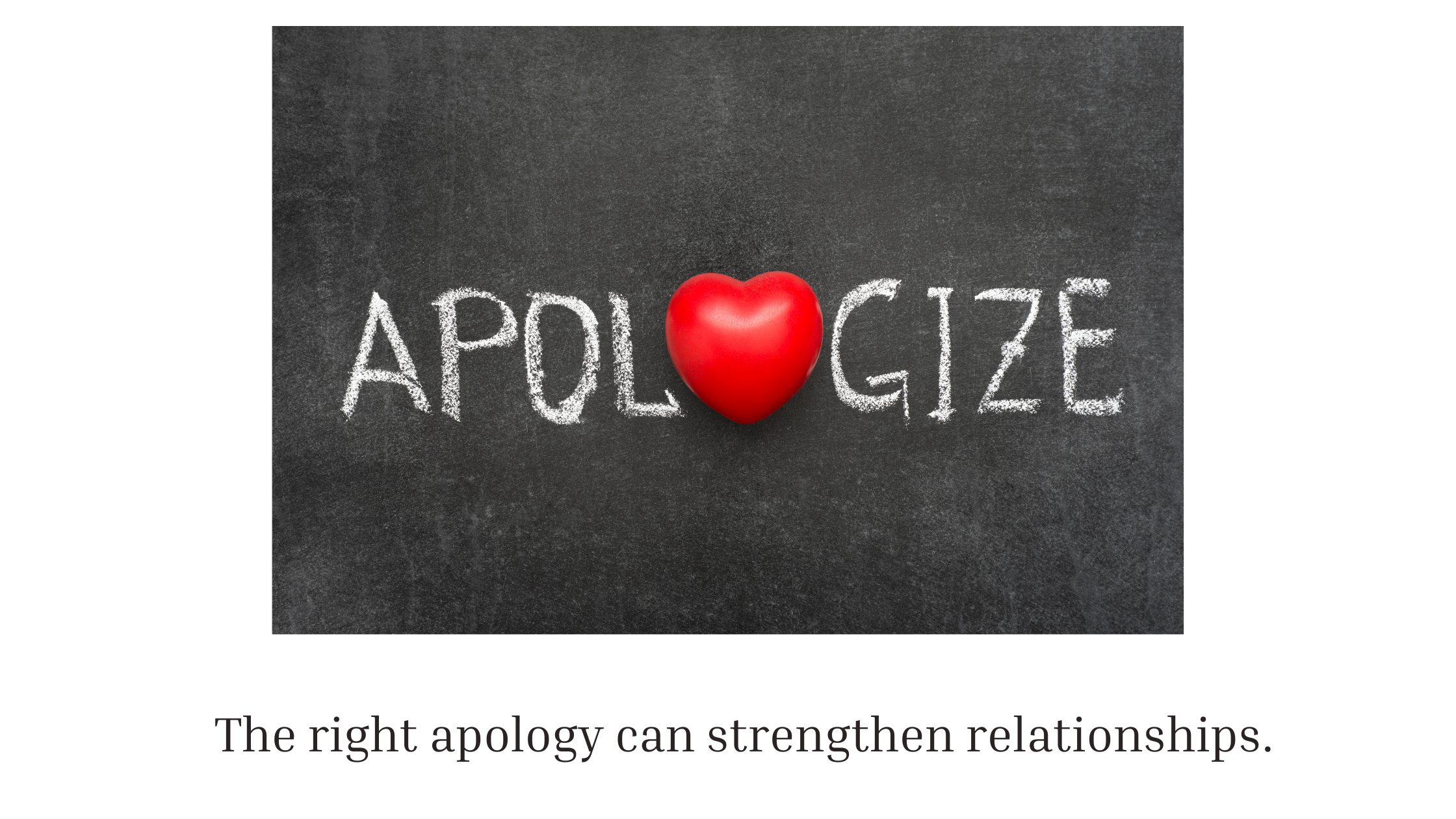
I’m sorry. Two short words (OK—one is a contraction.), yet they carry so many different meanings. Sometimes they aren’t enough or hardly matter. Other times, they carry a heavy weight. What you say, when you say it, whether you choose to say it, and how you say it can affect your relationships and your leadership and, therefore, your success.

The offhand “sorry” comes when you accidentally bump into someone while walking or your cart hits theirs in the supermarket. You make that quick apology. The other person says, “it’s OK.” or says nothing at all. Not saying “excuse me” or “sorry” makes you rude, but in the larger scheme of things, it doesn’t matter that much.

An apology carries a deeper import if your mind wanders in a conversation, and you didn’t hear what the other party was saying. It’s embarrassing, but you both will get past that quickly as long as you don’t drift off repeatedly. Avoiding the “sorry” can cause a bump in a relationship if you try to fake it and get caught.

Apologies become more significant when you have made a big mistake, such as forgetting a meeting, failing to follow-through on something you promised you would do, or saying something that revealed your implicit bias. Do you acknowledge your error? Try to minimize it? Hope it won’t be noticed? What should a leader do?

Niki Jorgensen discusses The Emotionally Intelligent Way to Apologize for a Mistake at Work. She says to be effective you need to choose your words and the correct time to make an apology. Your body language when making it also contributes to its effectiveness.

Jorgensen describes two things you should consider before making an apology:

Is an apology necessary? How to Decide – Don’t automatically rush into a long apology before taking the time to stop and think. How significant was your mistake? If you always apologize profusely, this detracts from what you say when your error was significant.

Observe the body language of the other person. Are they upset? That may provide an indication of the seriousness of your error and the impact it may have on your relationship. This is particularly true when what you said revealed your implicit bias. You need to apologize as soon as you become aware of your mistake. We all have these biases. What is important is that we recognize them when they appear and acknowledge them.

How to apologize professionally Jorgensen says to “evaluate the reasons behind the incident, the impacts on others and ways to prevent similar mistakes moving forward.” Apologizing in private is important and is more likely to  allow an open interchange. Avoid the temptation to get it all out quickly.

Apologizing is usually uncomfortable, but you also need to show you are listening to the other person’s response – and watching their body language. While you may be the one apologizing, it is an important opportunity to listen more than talk. When you acknowledge and take responsibility for your mistake, you strengthen the bonds of trust necessary in building and deepening a relationship.

To be recognized as a leader you must have integrity. Embarrassing as it can be, apologies made – or not made – reveal the person and leader you are. Take the time to acknowledge the error, whether big or small, and give the situation and person the right apology.

Giving Effective Feedback

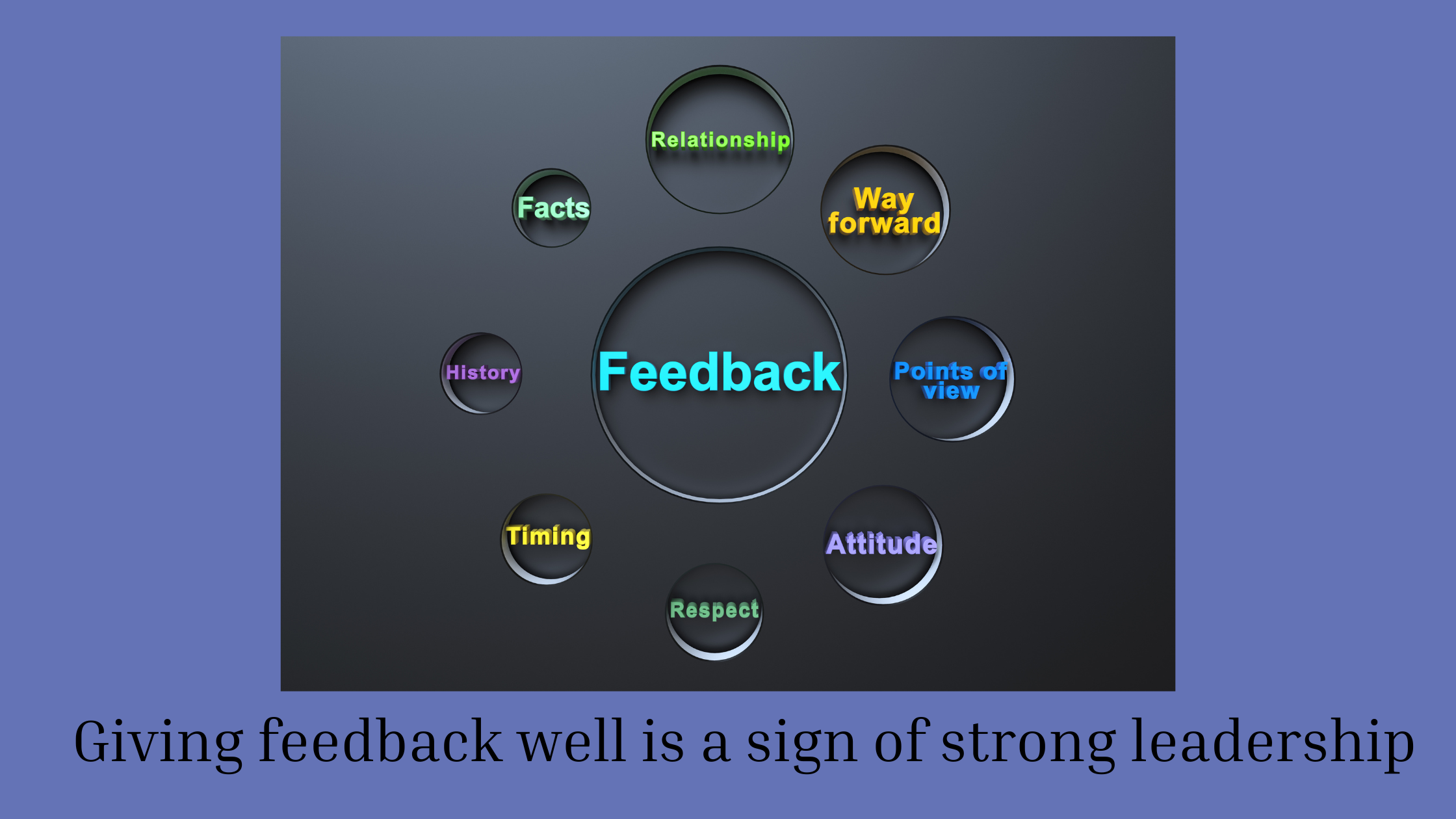
Two weeks ago, I blogged on When Feedback Hurts. We have all experienced those painful moments (they can be the hardest to forget, unfortunately). As a leader, we recognize that receiving feedback is important if we are to grow, but we also need to consider how we give feedback to others.

We may not always be aware of all the instances we give feedback. It is worthwhile to notice the comments and criticism we offer. A teacher is late bringing in his class. You note the lateness, and unbeknown to you, he is thinking you don’t understand what is involved in getting this group organized and ready to go to the library. With this negative feedback, will he be as willing to schedule his class in the future? Will he be open to collaboration?

The IT department has not responded to your request to address an issue. You are justifiably frustrated and send an email, copying the principal, saying the delay is affecting student learning. Do you think the IT department will be more or less responsive to your next request?

You give feedback to students all the time. Perhaps a group is supposed to be working on a project and is obviously more interested in socializing. You tell them it’s time they settled down and got back to work. Are they now more or less engaged?

It’s not that these issues shouldn’t or can’t be addressed, but words count and so does the delivery. Consider these alternate approaches:

  • If you said to the teacher, “Let me get them started. You can probably use a breather after getting the kids here today,” the teacher will feel taken care of, not criticized. You’ve let him know you’re aware of the challenges he faces. And he’s more likely to start the process of getting his class organized earlier so they’re not late in the future.
  • If you sent the IT department a message (not including the principal) and said, “Help! I really need you. I appreciate how very busy you are, but I hope you can make this a priority,” their response is likely to be far different from that annoyed email where they were embarrassed in front of a superior. And you’ve shown you understand their workload.
  • If you said to the students, “Now that you have completed the preliminaries, where are you planning to go next?” Because they need to respond, they are more likely to focus on the task and start working.

While it’s important to let people know you’ve noticed them doing something that doesn’t work, there are ways to move from that information toward something that is helpful to you, them, and the relationship you want to have with them going forward.

Be SpecificThis allows people to be focused. You can tell the teacher in advance what the class will be doing, which can support them all to arrive prepared. The IT department will appreciate as much specificity as possible. Telling them it’s important to you, doesn’t make it important to them. Let them know how their work will have an impact. Your next question with students should direct them on how to start.

Be Timely –The more immediacy you bring to giving the feedback the better it will be. The teacher knows he is late. The IT department is buried in requests for tickets and doesn’t usually think yours is special. The kids are going to have fun until you show them there is fun in the task. Once you’ve pointed out the situation, move on.

Be Prescriptive – What can they do to improve and how can you help? Once the class is going, ask the teacher if he could use a brief reminder early in the day about the impending visit. Ask the IT department how they determine priorities and if there’s anything they need from you in the future, since your request affects so many students. Tell the students you are looking forward to seeing whatever it is they are to do next (a reminder here to be specific).

Be Encouraging – Let the teacher know you recognize the challenge of getting kids to the library as scheduled and are glad to help. Assure the IT department you are aware of their workload and appreciate all they do. Tell students the project is challenging, and you are looking forward to seeing their creative solutions. And the second part of this is to recognize changes. When the teacher arrives on time, say you appreciate what it took to get this done. Thank the IT Department every time they are responsive. (This is the time to copy the principal.) And, if possible, make a positive specific comment to the students when you see what they have accomplished at the end of the period.

So often (maybe even more often) it’s the little things that count. Leadership is not just huge projects with big outcomes. It’s what you do every day to encourage, support and work with the people around you.

Building Relationships With Everyone

As I’ve written about many times, we are in the relationship business. Without them, we’re out of business. And if the library is going to be a welcoming place for all, we need to be in relationship with everyone in our building. The challenge comes when we must work with those who we find difficult to connect to – because it doesn’t matter. We need to build a relationship with them and provide them with the same services and resources we give everyone else. We don’t need to be their friends, but we must create the connection that shows we are there for them.

So how can we build these connections? Amy Gallo offers guidance on how to handle tricky waters in Getting Along: How to Work with Anyone (Even Difficult People). Her five suggestions should get you going.

1. The definition of a “difficult person” is often informed by bias – Take note of why you might consider this person difficult. Gallo says, our interpretation is often informed by our own biases and prejudices. The author suggests you ask yourself: “If your colleague was a different gender, race, sexual orientation, would you make the same assumptions? Would you be willing to say the same things or treat them the same way?”

Even if you have become aware of your implicit bias towards BIPOC – or possibly LBGTQ+ people, there are other types of implicit bias we hold. Do you innately believe your Athletic Director is a non-reader and/or someone who wouldn’t be interested in libraries?  Do you unwittingly assume that custodial staff members are less intelligent? What biases do you hold about people who are very overweight, much older (or younger) than you, or those who your friends don’t particularly like?  We make judgments without being aware we have done so. Stop to consider this when looking at the relationships that challenge you.

2. Your perspective is just one perspective – It’s not only our implicit biases that shape our perspective. How we see the world is not necessarily how others see it. Our attitude towards so many things unconsciously affects our decisions about others. In my family, we often interrupted each other in our enthusiasm to communicate our ideas. I have a friend who considers it rude. There is no right or wrong here. Only different perspectives that deserve understanding. To deal with this, the questions to ask yourself, says Gallo are, “What assumptions have I made?  How would someone with different values and experiences see things differently?” By stopping to ask yourself this, you’ll have the chance to connect.

3. It’s not just negative relationships that need attending to – Your positive relationships may be affected by your negative response to others. Colleagues you don’t like or who annoy you add stress. You bring that stress with you into all areas of your life. And it’s important to recognize that not all relationships fall neatly into “good” or “bad”. There are those which are more ambivalent, and which also need our attention. You may not have a problem with the person, but if you’re indifferent, you really don’t “see” them. As a result, you remain unaware of their needs and don’t provide the same support and resources that you do with your positive relationships. Also remember that relationships aren’t fixed. Good ones can turn sour without care.

4. Escalating is an option that has to be done carefully – As a librarian, this is one you hopefully will never have to use. Going to the administration or possibly the union about a colleague is something that would require an egregious offense. It happened to me only once in my career. I was retiring from a high school library and my co-librarian was a disaster. Through her own careful planning, she managed to avoid being observed so the administration wasn’t aware of her shortcomings. She was up for tenure and slated to replace me. I spoke to the Assistant Superintendent, and while I wasn’t able to change their decision, in my exit interview with the principal, I recommended frequent visits to the library and listening to the staff. They did, and a year later my suspicions proved accurate, and they moved her to another library. The library – and other relationships – were more important. Consider this before escalating.

Sometimes we have to be the adult in the room – As with much of all our relationship-building (in and out of work), and our collaborations, it often seems as though we have to be the one doing the work. There will be times when you need more help from them or wish they’d do more, but ultimately, the only person in a relationship you can control is yourself. These means that to have the relationships we need, we have to accept responsibility for their success, even when (and maybe especially when) it’s difficult.

We need to be in relationships with everyone because the library is for everyone. Yes, some relationships will be deeper than others, some may even become lifelong friendships. What’s important to remember is all of these relationships are important, and the better you are at connecting to your colleagues, students, administrators, and parents, the more likely it is that your program will thrive.

What Is Your Body Saying

Our silent communication is often louder than our verbal one, and it’s not always saying the same thing as our words. Or what we want. The mixed messages we send can cause people to not trust you, not feel included, or not worth your time. And since our relationships are key to our success, making sure there’s cohesion in what we are communicating is important.

Body language communicates what we are thinking – even if when (especially when) we’re not aware of it. Whatever mindset we have about an interaction is on display for everyone to see in our body language. It includes voice and tone as well as the positions of our body.

For example, have you ever had a situation where a class you “know” to be difficult lives up to your expectations? There’s a chance you were partially responsible for this. How did you sound when you greeted them? How were you holding your body? All of these tell the students you were sure they were going to act up. And then they do. But, if you prepare yourself and change your mindset, you can get a different outcome. For example, you can think of the students as highly energetic rather than troublesome. Most of the time, along with a good lesson, it will work.

Your body language also comes into play when you are at a meeting. There are many reasons you might not be fully engaged, but if you learn to recognize and control your body language, you can prevent sending negative messages. Lolly Daskal in Seven Cringeworthy Body Language Mistakes Leaders Make During Meetings provides basics you need to know as a teacher and leader to become more aware of any unconscious communications you are making.

Unengaged Posture –Slouching sends a message that you are tuning out. When meeting with a group of teachers, doing this while they discuss matters related to them before or after your presentation says you aren’t interested in topics about their workday. Or to put it another way, you only want to “sell” the library.

Lack of Eye Contact – This is much like the unengaged posture. It gives the impression that you have tuned the speaker out. Eye contact is often associated with honesty. As Daskal notes, it’s not that you stare at the speaker, that wouldn’t be natural. Indeed, it could be seen as trying to intimidate or disparage the speaker, but you do want to make regular eye contact and not be looking off elsewhere.

Drumming Fingers – Although usually done unconsciously, it sends an obvious message of boredom or impatience. It’s an almost stereotypical but clear sign of being disengaged.

Looking Distracted – Daskal puts is well: If people don’t have your full attention, they won’t give you their full respect. How many faculty meetings have you attended where people are checking their phones? When you are with other people, this is when it is key to stay engaged. Take notes. Ask questions. Be involved.  

Crossing Your Arms—A classic way of shutting down by visually and physically closing yourself off. When kids do it, you know they don’t want to hear you. You are saying the same thing. Possibly accompanying it with drumming your fingers.

Fidgeting—Let jiggling, toe or pen tapping, continual shifts in position or slouching from one side to the other. You may not even be aware that you’re doing it, but if you are, it’s signaling distraction and lack of attention. Daskal suggests if it’s your response to nervousness, seek a coach to help you.

Multitasking—Many of us multitask on a regular basis, but it’s important to shut down that impulse anytime you are in a situation where relationships can be built. Not only does it send the wrong message, but studies show that it’s inefficient and it sends a message that other things are more worthy of your attention.

How many of these do you do? As you start recognizing them and preventing them from occurring, become aware of the messages others are sending. It will help you to better respond to them. Make sure your words and body match the message you want to send to build stronger relationships with students, teachers, and administrators.

Building Trust

Earning and keeping the trust of others – students, teachers and administrators – is key to your success. More than trusting your expertise, they need to know you will be able to deliver on your promises and be there for them when needed. Trust takes time to build, but it can be quickly lost.

Building trust is rooted in integrity. Keeping your word, honoring confidentiality, and other elements of honesty are vital. But trust is an emotional state, which means other more subtle factor contribute to its growth. In The Leadership Trust Crisis, David Livermore discusses the fact that trust in leaders (political, corporate and others) is at an all-time low. This means that relationships are shaky. He identifies five factors that affect the development of trust. Applying these can help you deepen the connections with the people in your building.

  1. Likeability – You get to know people you like. In the process, trust is developed. But what makes someone likeable? It often begins with a smile that goes beyond the superficial. It continues when you show you are interested in who the other person is. Sharing who you are extends the connection. Give people a chance to know and like being with you. It takes time, but it pays off.
  2. Competency – Livermore poses three questions on this: Do you have the skills to lead us? Can you communicate effectively? Do you know what you are doing?  As a librarian, this is where you excel. When we are aware of trends, new learning opportunities and the most recent tech resource or even teaching approaches (think inquiry-based learning), teachers see us as leaders and feel confident in coming to us with questions or concerns.
  3. Intensions – Are you in it for your success or do you care about mine?  What is your overarching purpose in putting this project together? Your everyday behavior sends messages to other about your character and integrity. We (usually unconsciously) make judgements of others based on their actions. Teachers and administrators are doing the same about you. Make certain you are treating others right and demonstrate that you care about the collective success. For example, when a project is complete put the teacher and their students’ outcomes front and center. Give credit to them. The library’s role and yours will be obvious. Their trust in your intentions builds.
  4. Reliability – Do you follow through on what you promise?  Can others see your commitment to living your Mission for the library? This relates to your integrity but is also about delivering in a “timely and consistent manner.” What did you tell your principal were your goals for the year. How did you hit them? In building trust – and the relationships that go with it, they need to know you can be counted on to do what you said and get it done on time.
  5. Reputation – This is the sum of all the others. How are you seen and thought of?  The stronger your reputation, the more others will trust you. The more they trust you, the more willing they are to work with you – and hopefully seek you out. And each time they do you grow as a leader.

I once had a teacher tell me she wouldn’t schedule a class with my co-librarian because she felt my co-librarian didn’t like the kids. That doesn’t work. Students learn more when teachers and librarians work together. The collaboration is formed on relationships, and relationships are built on trust. Look for ways to promote other’s trust in you and you’ll find your relationships and program getting stronger.

Are You Being Defensive?

Last week I wrote about the importance of listening. Somtimes listening is most significant when what’s being said is not something you want to hear.

Whether it’s intended as criticism or feedback, how do you respond when someone says something negative about you? Most of us immediately rise to the defensive, although some go on the offensive. Neither is the best course of action. The word “immediately” is the cue. Anytime we react without thinking, we are apt to make a mistake. Responding from our emotional first reaction is in gear is likely to produce a damaging result.

Whether it’s an administrator, teacher, student, or parent who made the comment, as a leader you want to be seen as someone who respects what others say. It doesn’t mean you agree with them, but you also don’t want to attack them. A defensive response is an attack, as its purpose is to invalidate what the other party said. And a relationship damaged by defensiveness can be hard to repair.

Lolly Daskol shares How the Best Leaders Overcome Their Own Defense Mechanisms. These five ideas, coupled with my comments, can keep you from reacting in the moment,

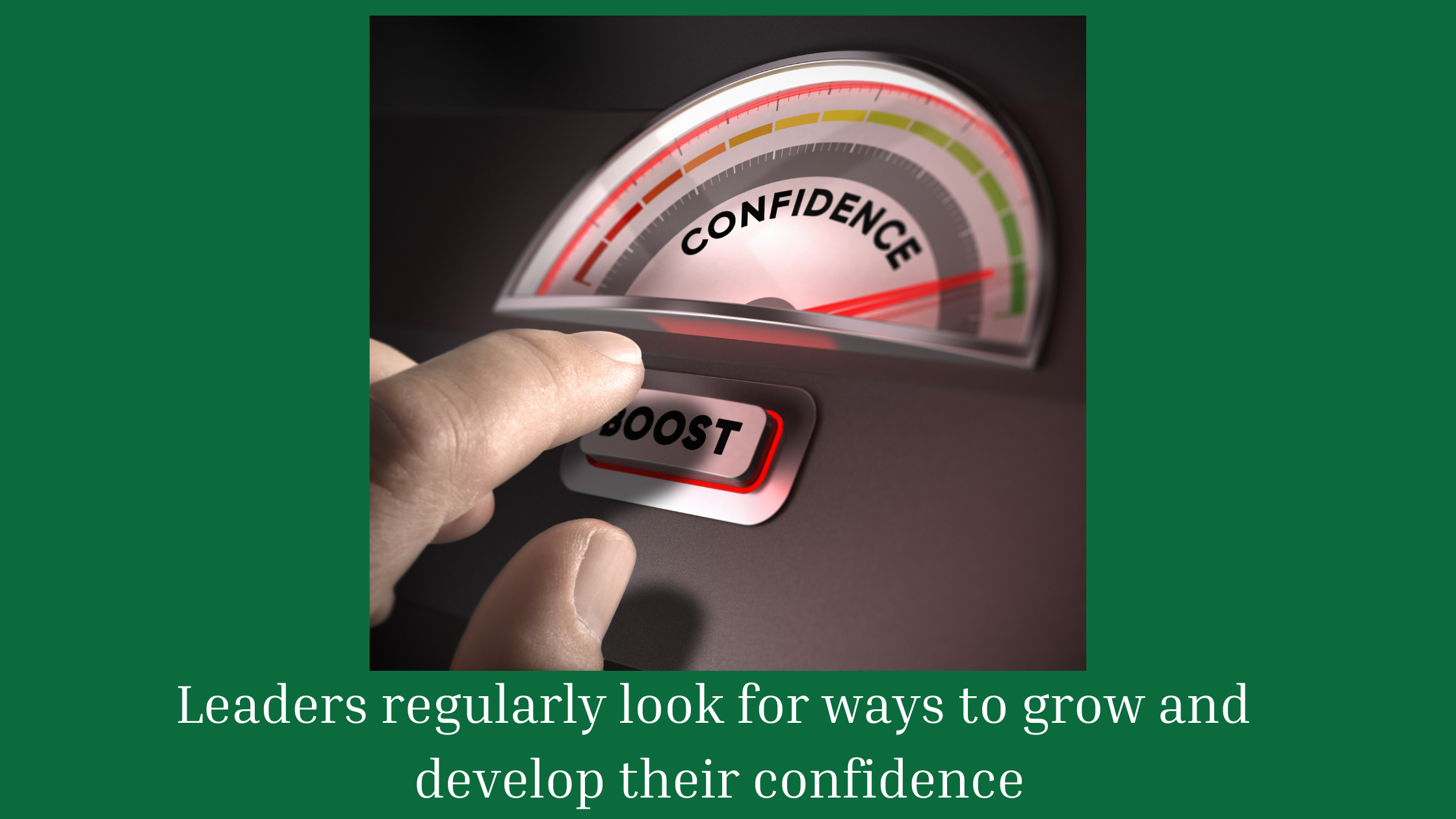
  • Cultivate self-awareness–Use your Emotional Intelligence (EI) to prepare you for these situations. No one likes to be criticized, but it happens to us all. Daskol suggests you recognize what your triggers are and how you are likely to react. Whether the comments came in a one-on-one or where others were present, your response will affect how people see you as a leader.
  • Make room for acceptance–One of the best tools a leader can have is the ability to pause. Settle yourself mentally. Take stock of your feelings. Daskol says to accept them without judgement in order to respond in a way that will move you forward with this person and continue to build on your relationship.
  • Hold yourself accountable–You may not have liked what you heard, but was it true? It may have been presented in a way that was hard to hear but listen for the message. While the method of delivery may have caused your trigger response, there is likely a kernel of truth in what is being said. Leaders take responsibility for their actions and learn from their successes as well as their setbacks.

Thank the party for calling your attention to a potential problem. Your open way of handling the criticism may even lead to developing or deepening a relationship. After, Daskol recommends you reflect on how you handled the situation. Did you respond reasonably? Remember, you can’t control how others think or behave, but you can control yourself.

  • Break the code–Rising to your own defense is natural. It’s a survival skill that animals as well as humans have learned. However, we are not fighting for our lives here, and the ingrained behavior doesn’t serve us in this instance. It takes work to change an automatic response, but it can be done. Starting with becoming more self-aware of how you react in these situations will help in resisting that immediate response and allow you to behave in a productive way.
  • Lead from within–Every time you avoid a deep-rooted response and substitute a thoughtful one, you grow as a leader. In addition to self-awareness, EI requires self-management. Leaders need to continually build their EI. It makes others see them as trustworthy and empathetic to their needs.

None of us will never like being criticized, and a voice in our heads will always rise to our defense. The object is not to let the criticism derail you. By moderating your response, hearing what the other person is saying, and responding appropriately, you will continue to be seen as the leader you are and want to be.

Listening is Leading

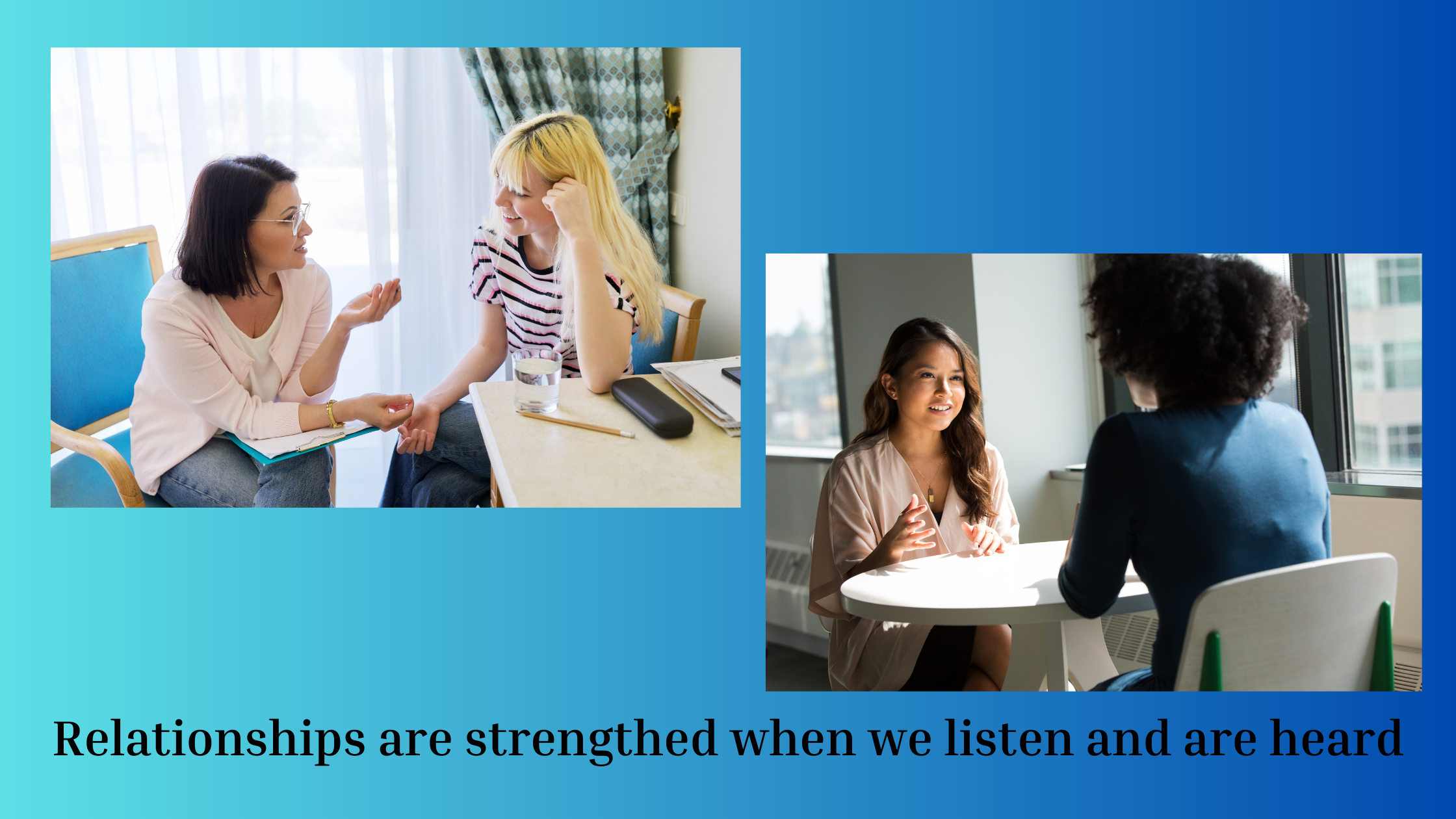
When we ask someone “Are you listening to me”, we’re typically expressing our exasperation. We don’t feel as though what we’re saying is being heard, and that’s frustrating. But what about the reverse? Are we really listening to what others are saying? And are we listening to ourselves?

Active listening, like emotional intelligence, is an important skill to master. So many messages come at us, verbal and unspoken, it can be hard to focus during a conversation. However, the skill is too valuable for our leadership and for our lives in general not to work at getting better at it.

Learning to listen opens the door to expanding relationships, which is key to our ongoing success. In Nine Practices All Leaders Share, Dr. Alan Patterson shows what can be built by improving your ability to listen. Some of his advice is more of a reminder, but reinforcing the basics helps you reach the next level in your leadership. Here are Patterson’s recommended practices, annotated:

  1. Listen with Intent—Focus on what is being said, not the answer you plan on giving. It’s about respect. If you can, use restating to keep you on track and let the other party know that you think what they said matters. It’s an early step in relationship building.
  2. Ask Probing Questions—After listening, go deeper to increase connection and understanding. “Could you explain?” and “Why?’ take you past restating and opens the discussion. A good leader needs to know the concerns and issues of those they work with, whether it’s teachers or students.
  3. Study People—Listening includes reading body language and other non-verbal cues. Be careful about the implicit biases and judgements we all make. You need to see and listen to what the person inside is telling you. It’s not easy, but it is a skill worth developing. Patterson adds that as you get to know a person, you learn what is important to them.
  4. Share observations about the broader horizon with your team, colleagues, and senior leaders—Share your Vision and how you think it can become a reality with teachers and administrators. Contact teacher friends who you think would be open to trying something new and collaborate. School vacation is also the best time of year to have a meeting with your principal and outline your path for going forward. Listen for their responses so that you can see how your work will support them as well.
  5. Look for opportunities to engage in a dialogue—Have conversations that are not only about work problems or situations. Patterson recommends asking “how” and “why” questions to better understand what people need and want. Relationships, connection, and advocacy grow when your colleagues see you are aware of and responsive to their needs. Knowing who your colleagues really are–including as people outside of school–develops the relationships critical to your success. And when they answer–listen with intent and ask probing question.
  6. Practice translating a project or concept into the language of the audience—We do this all the time when we are teaching students. Use the same thinking process when making a presentation to a group, whether it’s parents or a grade/subject meeting. This is not the time for “library language.” What do they already know? What do they need to know? Why? What do you want them to do as a result? Using language that everyone understands makes people feel included and allows them to listen to you better.
  7. Translate vision into individualized responsibilities for your team members—Whether it’s students or teachers with whom you are collaborating (or cooperating) with on a project, be sure all concerned know who is doing what. This will show that you’re listening to what they need and that you’re available if they need help. And be sure to acknowledge their work to the principal.
  8. Trust that your success is based on your ability to create the conditions for other to succeed—You need feedback. That is an important part of listening. Ask in such a way as to get an accurate response. “What did you think of the project?” is not likely to get any helpful feedback. “What could I have done better?” or “Was anything missing?” will get the discussion started in a meaningful way. And listen to the responses you are getting. Receiving feedback builds trust.
  9. Focus on impact and meaning—Reflect on your week. Where did you make a difference? Where do you want to go next? Go an extra step. Ask others where they saw themselves making a difference–and listen to their answer.

Listening is at the heart these leadership skills. It’s also at the center of building the relationships you need to be successful as a leader in a school. Take the time to listen to others and yourself and you will find yourself making a greater impact.

Communication Channels

Every conversation is an opportunity, yet many are wasted or don’t use the best channel for a particular communication. With our limited time, we can’t afford not to use these interactions to get the maximum possible benefit.

In looking at these different channels, keep in mind that the underlying purpose of any conversation is building relationships. When we get to know people better and allow them get to know us, ties are forged, and future advocacy developed. As a leader, particularly in these times, you need all the supporters you can get.

Joel Garfinkle focuses on 5 of The Most Effective Communication Channels at Work. Each offers a different opportunity. The challenge is to know which one to choose for a specific purpose and what you can accomplish.

In Person – This gives you the best opportunity to learn more about the other person. You have a host of non-verbal cues, including body language and even appearance, to help you understand and communicate. In Person is the perfect channel to meet with your principal or other administrator (as long as your principal knows the meeting is happening).

Summer is the ideal time for this meeting when your principal is less harried, and there is less likelihood of interruption. This meeting is especially important if you have a new principal. Your past achievements don’t count.

This is the time to learn their vision, what they want to achieve, and a perception of libraries and librarians. Share your mission and vision and spin it to show how you and the library can support their goals. Use your knowledge of body language to recognize when it’s time to bring the meeting to an end. It’s best if you can do this before the principal does. Change channels and follow up with an email — or a handwritten note—thanking them for their time and highlighting one important take-away.

Video Communication – We have all become Zoomers. Within the school setting this isn’t used as much as now that we’re back to in person classes, but it offers some interesting possibilities.

If you are fortunate enough to have several librarians in your district, a Zoom meeting can help in unifying how you deal with similar challenges. While not the same as in person, it does help you to get to know your colleagues better and build those relationships. You lose some ability to read body language and eye contact isn’t as clear, but it’s a good start. Consider this channel for reaching out to the public librarian.

Phone – These are best for shorter, more direct conversations. Garfinkle recommends you check at the start to be sure this is a good time to talk. The phone is best used for setting up an in-person meeting or reporting in on something. Be specific, clear, and quick. Stay focused on your purpose. You might want to have notes to keep you on track. Follow up with a confirming email. Without any visuals to guide you, listen for verbal cues to hear if the person sounds rushed or background noise that hints at distractions.

Voice Mail – Sometimes this is the only option. You called and the person didn’t pick up. Be prepared to leave a succinct and clear message. Identify yourself and, if necessary, give your preferred call back number. Repeat that at the end of the message – slowly. Keep your message focused on the reason for the cal. Garfinkle advises if you are not prepared to capsulize the reason for your call, hang up. Get your thoughts together then try again. Smiling as you talk will help you sound upbeat and increase the chances of being called back. Your tone is your most important signal in this method.

Email – Although Garfinkle likes this channel the least, it continues to have its place as long as you are aware of potential pitfalls. The first rule is to keep it brief. People are busy and often don’t read all the way to the bottom. They are also often checking on their phones and so are reading on a small screen.

The next rule is to proofread, particularly if it’s an important communication. Spelling errors have a negative impact on you and your message. Also check to be sure your language is clear and is unlikely to be misconstrued. Obviously, this is not the place for sarcasm and emojis aren’t appropriate in the work environment. All you have are your words in this form of communication – no tone, no inflection. Clarity is key.

Before hitting “send,” make sure you haven’t included people who shouldn’t get this message in the “To” section. A “reply all” can get you in trouble. We work so fast, it’s easy to make these mistakes. If it matters, take time to get it right.

Knowing the best channel for initiating conversations is an important leadership skill. Don’t waste or miss your opportunities to reach out and build those vital relationships.

Take My Advice

We all are guilty of giving unsolicited advice. Most often, we don’t even realize we’re doing it. Unfortunately, instead of building relationships, giving advice when it’s not asked for tends to cause resistance. In offering help, we don’t stop to learn if the other person needs or wants assistance. In rushing in with our solution, it may seem to the other person that we are minimizing the problem. In ither case, the other person pulls away and an opportunity to truly be of help is gone.

 What makes us think we always have an answer? We certainly don’t have solutions for all our problems. Often, the best help we can give someone is just to listen. Whether they want to vent their anger or release too many thoughts swirling in their heads, offering a solution cuts off their process. By short-circuiting what they were saying, you may very well have prevented them from finding their own solution. When someone is angry, fearful about a situation, or any other highly emotional state, they are not thinking cognitively. Through the process of expelling it all, reason has a chance to return. The thoughts stop swirling, and the rational mind deals with what has upset them.

When someone comes to you with a problem, you have an important role to play—without offering help. They needed someone with whom to share all of it, and they trusted you to be that person. By using your active listening skills, you help them while deepening the relationship. Instead of speaking, use your body language to show you are focused on what they are saying. Nod your head. Let your facial expression mirror supportive feelings. If there is a pause, you can restate something they just said to show you are listening – and to find out if you missed a point.

PsychCentral cautions “It’s Time to Stop Giving Unsolicited Advice“. The simplest way to do this is to ask if advice is wanted. You can try any of these questions suggested by PsychCentral:

Are you open to suggestions? This clears the path for your response. “Suggestions” is a better word than “advice.”  The latter says you know more and can be taken as a criticism. The former is just some ideas you offer that can be taken or not.

I’ve been through something similar. Can I tell you about what worked for me? Without imposing, you are establishing a bond of a mutual experience. Recognize that means you will have to share that experience. That interchange puts the communication on an even more personal level. It evokes shared trust and leads to deepening the relationship.

Is there anything I can do to help? Be prepared for a no or a yes. It is a generous offer. If the other person takes you up on it, you are obligated to follow through. The commitment may take time and effort on your part. If no further help is required or requested, you have shown your willingness and concern.

If you find that you regularly give unsolicited advice, PsychCentral offers you some advice in the form of questions to ask yourself, including the following:

  • Why do I want to offer advice right now?
  • Is there something else that I can do that would be more helpful?
  • Is there someone more qualified who could advise this person?
  • Can I let them decide or figure this out on their own?
  • What else can I do to reduce my anxiety or discomfort?
  • Can I accept that my ideas aren’t the only good ideas?
  • How can I be supportive without giving unsolicited advice?
  • Can I focus on listening and understanding instead of fixing and instructing? Would this be supportive and respectful?

Unsolicited advice is a two-edged sword. You have only the best intentions when you are the one offering it, but that may not be how it’s received. Think about times when someone has offered you unsolicited advice By recognizing what receiving it feels like, you will be better able to restrain your impulse in the future. And if they are looking for advice, hear the other person out — completely—so you understand the situation before you give your response.

And that’s my advice to you. LOL 🙂