Guest Post – Rona Gofstein
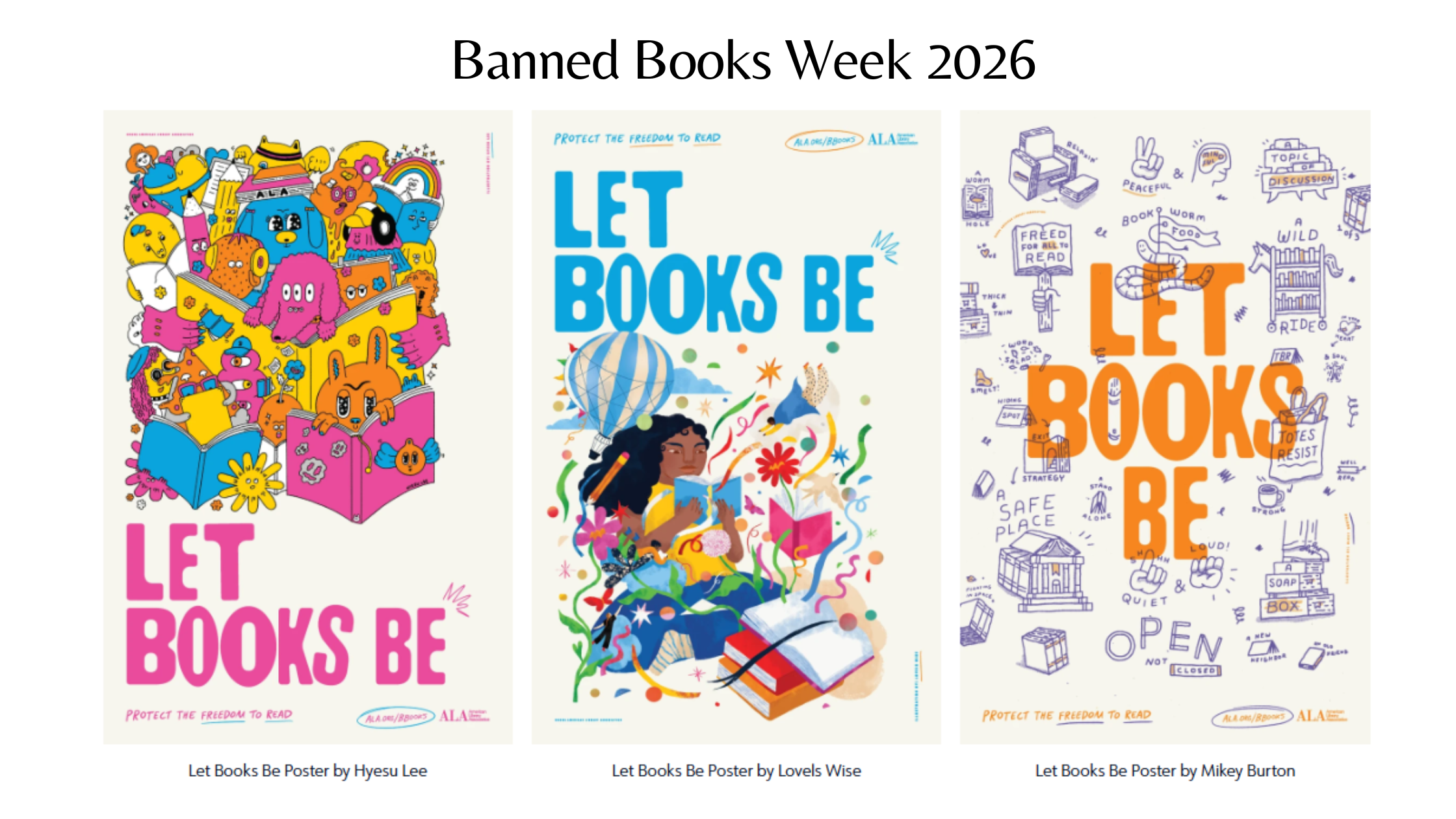
This week is Banned Books Week and the theme for the year is “Let Books Be. Protect the Freedom to Read.” As you are aware, the need to protect that freedom remains very real. According to the American Library Association, 4,235 unique titles were challenged in 2025—the second-highest number ALA has ever documented. Of the titles targeted in school library collections, 98% were part of challenges involving multiple books. Those numbers should concern all of us.
But this week, I want to look beyond the books. Because the freedom to read connects to something even more fundamental: the freedom to access information. This coming Wednesday, October 7, AASL recognizes Banned Websites Awareness Day. The purpose is to raise awareness about overly restrictive filtering of legitimate educational websites and other useful online resources in schools and school libraries.
There is a place for schools to protect students. Internet filtering has an important purpose, and the Children’s Internet Protection Act (CIPA) requires schools and libraries receiving certain federal funding to have internet safety measures in place. But there is a difference between protecting students and preventing them from accessing legitimate information.
What happens when a student researching a health topic can’t access a reputable website? What happens when resources about history, identity, current events, or other potentially controversial subjects are blocked? What happens when a teacher plans a lesson only to discover students can’t reach the resources needed to complete it?
And perhaps most importantly: What are students learning when a filter makes those decisions for them?
Students need opportunities to develop the skills to evaluate information from multiple sources and formats. Filters can’t teach students how to determine whether information is accurate. They can’t teach bias, source evaluation, or critical thinking. School librarians can.
That’s where you come in.
If you discover that legitimate educational resources are being blocked in your school, ask questions. Find out who determines what is filtered and what the process is for requesting that a site be reviewed or unblocked. Talk with your teachers. What resources are they having difficulty accessing? How is filtering affecting instruction? Then talk with your administrator. Don’t make the conversation about eliminating safeguards. Make it about ensuring those safeguards support rather than interfere with learning.
Protecting the freedom to read doesn’t mean every book belongs in every library or is appropriate for every age. School librarians make professional collection-development decisions based on their students, curriculum, community, and established policies. But one person’s objection to a book should not automatically determine what everyone else’s children are permitted to read.
That’s why policies matter. That’s why reconsideration procedures matter. And that’s why trained school librarians matter. Banned Books Week gives us an opportunity to celebrate books that have been challenged and to remind our communities why intellectual freedom matters. Ask yourself: Are we teaching students how to navigate the world of information, or are we simply deciding which parts of it they are allowed to see?
The freedom to read must include the freedom to access. And you have an important role in protecting both.

