ON LIBRARIES: The Challenge of Collaboration – Part Three

collaboration 2For the past two weeks I have been blogging about meeting the challenge of collaboration.  So many librarians are unable to make the connections which combine the expertise of all participants and create a larger result than if the librarian worked alone.  On a more subtle, but no less vital, level these collaborations build a deeper understanding of the library program and develop the advocates who fight to retain librarians and their programs.

You must find and use the assets that are within your reach.

Once again here is the first Guideline under “Teaching for Learning” in AASL’s Empowering Learners which focuses on collaboration:

The school library program promotes collaboration among members of the learning community and encourages learners to be independent, lifelong users and producers of ideas and information. (p. 20)

The actions supporting the Guideline expect the librarian to:

  • “collaborate with a core team of classroom teachers and specialists to design, implement, and evaluate inquiry lessons and units
  • collaborate with an extended team including parents, community members, … museums, academic and public libraries… to include their expertise and assistance in inquiry lessons and units
  • work with administrators to actively promote, support, and implement collaboration
  • seek input from students on the learning process.”

The one most librarians feel is beyond their reach is the second bullet point. As with the others, the best way to incorporate this is by starting small and building on it. The Makerspace movement is an excellent way to begin collaborating with parents and community members. start small

Once you have launched your Makerspace, use your website, Twitter account, or however you reach parents and invite them to share their expertise with students.  Whether it’s building an app or knitting, you will find volunteers who will be glad to teach and help students.  You provide the materials along with print and online resources.  Take pictures and do a video of your “expert” and students at work and their final products.

If the students are willing, see if the public librarian will let you set up a display to showcase what occurred. Add an “advertisement” for community members to lead a Makerspace. Find out in advance from your administrator what needs to be done to permit this.

High school librarians can contact academic librarians if there is a community or four-year college in the area.  With some planning, set up a field trip for a class beginning a research project. The college librarian can teach students how to access and choose the extensive databases available, letting them see and experience what research will be like once they graduate. The local media outlet can be invited to cover the event and record student reactions.

at the libraryMost towns have some sort of historical society or other museum area.  Find out what they are, what they have on exhibit, and any special ones that are upcoming.  Look to see if this matches with curricular units.  Either arrange for a field visit or have the curator bring the items to your library to share with students, giving them a deeper understanding of what they will be exploring.  Again invite the media – and your administrator.

Educators have been stressing authentic learning, and our national standards enjoin us to develop inquiry-base units. The two combine when you develop a large network of people with whom you collaborate. Each project spreads the word on what a 21st century library program is. The groups you collaborate with, the more people are invested in continuing the success of your program.

Advocacy is an on-going, never stopping campaign.  It’s not about begging people for our jobs. It’s about everyone recognizing that what we do is invaluable for our school community and the success now and in the future of our students.

How are you reaching out and building collaborative partnerships?

ON LIBRARIES: The Challenge of Collaboration – Part One

NOTE: This is the first of a several week series on collaboration

collaboration 2“School librarians transform student learning.”  Easy to say.  Important to do.  Accomplishing it… is more complicated.  While we can do much when dealing with students one-to-one, and certainly work toward that end when we have a scheduled class, the transformation is best achieved when working in collaboration with teachers. Some of you are doing so on a regular basis, but from my contacts with school librarians coping with day-to-day pressures, fixed schedules, and unwilling teachers, collaboration is at best a distant goal.

The first Guideline under “Teaching for Learning” in AASL’s Empowering Learners states:

The school library program promotes collaboration among members of the learning community and encourages learners to be independent, lifelong users and producers of ideas and information. (p. 20)

The actions supporting the Guideline expect the librarian to:

  • “collaborate with a core team of classroom teachers and specialists to design, implement, and evaluate inquiry lessons and units
  • collaborate with an extended team including parents, community members, … museums, academic and public libraries… to include their expertise and assistance in inquiry lessons and units
  • work with administrators to actively promote, support, and implement collaboration
  • seek input from students on the learning process.”

That’s a tall order and very few are doing all of this. The Guidelines offer no direction on how you are to develop this level of collaboration and instructional partnership.  Where do you start?Hello

You can’t focus on all four actions at once.  The last is the easiest to accomplish by way of formative assessments during a class and regular brief surveys or exit tickets at the end of a unit. The first action is your main target to implement the Guideline into your program.

At the middle and high school levels, you normally have a flex schedule which means some teachers bring their classes frequently, some do it rarely, and others you never see.  Work initially with those accustomed to using their library as part of their instruction.  At what point do you enter the process right now?  Is the teacher using only your facility but not your expertise or does h/she expect you to do an introduction to the resources to be used? You want to reach the stage where you are develop the unit together, each making a design contribution.

If the teacher is only using your facility, observe what students are working on.  Come up with one or two resources that would improve their results and share with the teacher.  If you are thanked, suggest the teacher give you a heads-up in the future so you can provide relevant sources.  If your recommendatiknockingon is ignored, repeat the process the next time.

In the case where you informed in advance what students will be doing and can offer recommended direction, add possibilities for making the project inquiry-based, one where the end product has meaning beyond the due date.  You want to create learning opportunities for students to be producers of information and not just regurgitating existing facts they collect and turn into a pretty presentation.

In all cases, follow up with a brief assessment with the teacher.  Did this help?  What would work better next time?  Frame your questions so teachers are willing to make negative comments. If you only hear positives you can’t improve what you are doing.

Elementary librarians who mostly have fixed schedules have a greater challenge. If you are in that situation, your first aim is to cooperate with teachers. To do that you need to find out what they are working on in class to give students a deeper connection with the topic by working with you when they come in at their scheduled time.collaborative learning

Start with the teachers with whom you have a good relationship.  When they give tell you what they are doing (or you have a curriculum map to guide you), let them know what you are doing with their students.  As with flex time librarians, follow up when the unit is complete to find out what the teacher thought. What if anything did he/she not like?  What worked? Was there anything you can do differently next time?

Next week, meeting the challenges of other Actions in the Guidline.


ON LIBRARIES: We Make Connections

Two weeks ago I blogged on how we transform our facility.  Last week I discussed the first impression people get when they enter our facility and meet us.  Then they get to discover what we do, and in the process we transform learning and our school community.

connectionsWe make connections.  We connect people to ideas, ideas to ideas, and we connect people to people.  You may not have focused on this core behavior, but it’s there in every librarian.

People to ideas – This form of connection is obvious.  Our patrons come to the library, physically or virtually, and are connected to the information they seek. When we are doing our job well, they find more than facts. It’s usable information.

I had the opportunity to have a very long discussion with several bright high school students the other day. We weren’t in a library, but as a librarian, no matter my location I am still functioning as one.  The first thing I did was challenge them to begin thinking by asking their views on Apple defying a warrant and refusing to create a program to get past the encryption on iPhones in order for the government to access information on the cell phone of one of the accused terrorists in the San Bernardino massacre.

As I expected, among the five there were instantaneous opinions, with the students taking different sides.  I didn’t support either side but pointed out this was an emotional response either to their feelings about dealing with terrorists or how strongly they felt about their right to privacy. The common element was their emotion.  While this was a natural response and would always be present, once they recognized its existence, they needed to move on to finding evidence to either refute or support their gut reaction.  This would not eliminate their emotions but would allow them to see, that just as with websites and other information sources, bias is almost always present.  It’s not wrong. It’s just there and needs to be recognized in order for it to be factored into decision making.  This is teaching critical thinking on a visceral level.idea to idea

Ideas to ideas – One of the best parts of our job is helping students make the leap from an initial idea to another, making a new connection.  The original idea is a single piece of information. Seeing how another idea is related and may further illuminate the first is how new understandings and knowledge are created.  For me, making those connections are the “highs” one experiences in research.

It helps if teachers are open to allowing students to take those side trips off an assigned research project into an area of personal interest, sparked by making an idea-to-idea connection. The project takes on deeper meaning.  It becomes something that lasts long after the assignment is completed. This is when Enduring Understandings are made and students get the purpose of learning.

Librarians know that research is a messy process.  Students and far too many teachers think of it as a linear progression. This is far from the truth, but often it’s the way research projects are done. Even the best students grab for an argument, line up the sources they will use, determine an outline to present their information, check that they have completed all the steps, and heave a sigh of relief.  But when you can lead them to the connection that excites their mind, the back-tracking and shifts of directions make sense as they seek to put together something they can proudly share with others. Something that matters to them –personally.

people to peoplePeople to people – Making these connections is not as widely recognized an aspect of what we do, but it’s becoming an increasingly important part of our job.  In creating digital citizens, a number of librarians are connecting students beyond the walls of the library.  I know one librarian who worked with a science teacher and had students discovering how to deal with epidemics and pandemics (and why they show up regularly in the headlines).  In creating the best way to alert a population and cope with the crisis, students worked with scientists at the CDC.

On a very different level, we use our extensive networks to bring people together who otherwise might never know each other. Through my daughter, I learned her childhood friend is living in an inner city and knits and donates numerous scarfs to the homeless by “scarf bombing” different areas and facilities in the city. A librarian friend of mine works in a school in that city.  She was fascinated by the project and thought it was one many of her students would want to do.  The connection was made and her students are eagerly involved in a community service project.collaborative learning

Don’t overlook the people-to-people connection you need to have with other librarians.  It’s one my grad students are discovering.  Librarians are inclined to think of themselves as being isolated in their building. Some are the only librarian in their district. Who can answer their questions?  Where can they go for help?  The answer is other librarians.  I have blogged about PLNs and you need to be continually expanding yours.  Belonging to your state library association (and hopefully participating) and joining and being a part of AASL and/or other national library associations connects you to a wealth of knowledge with a few strokes on your keyboard or a text on your phone.  LM_NET is a long-standing resource many use.  The School Librarian’s Workshop Facebook group is another one that’s growing.

Are you making these connections for your students and teachers?  Are you making connections for yourself?  Welcome to the connected 21st century –and we are the expert connectors.

ON LIBRARIES: First Impressions

first impression“You only have one chance to make a first impression.” The first time anyone comes into your library they take in the message you’ve created.  They may not consciously realize it, but they have learned something about you and your program.

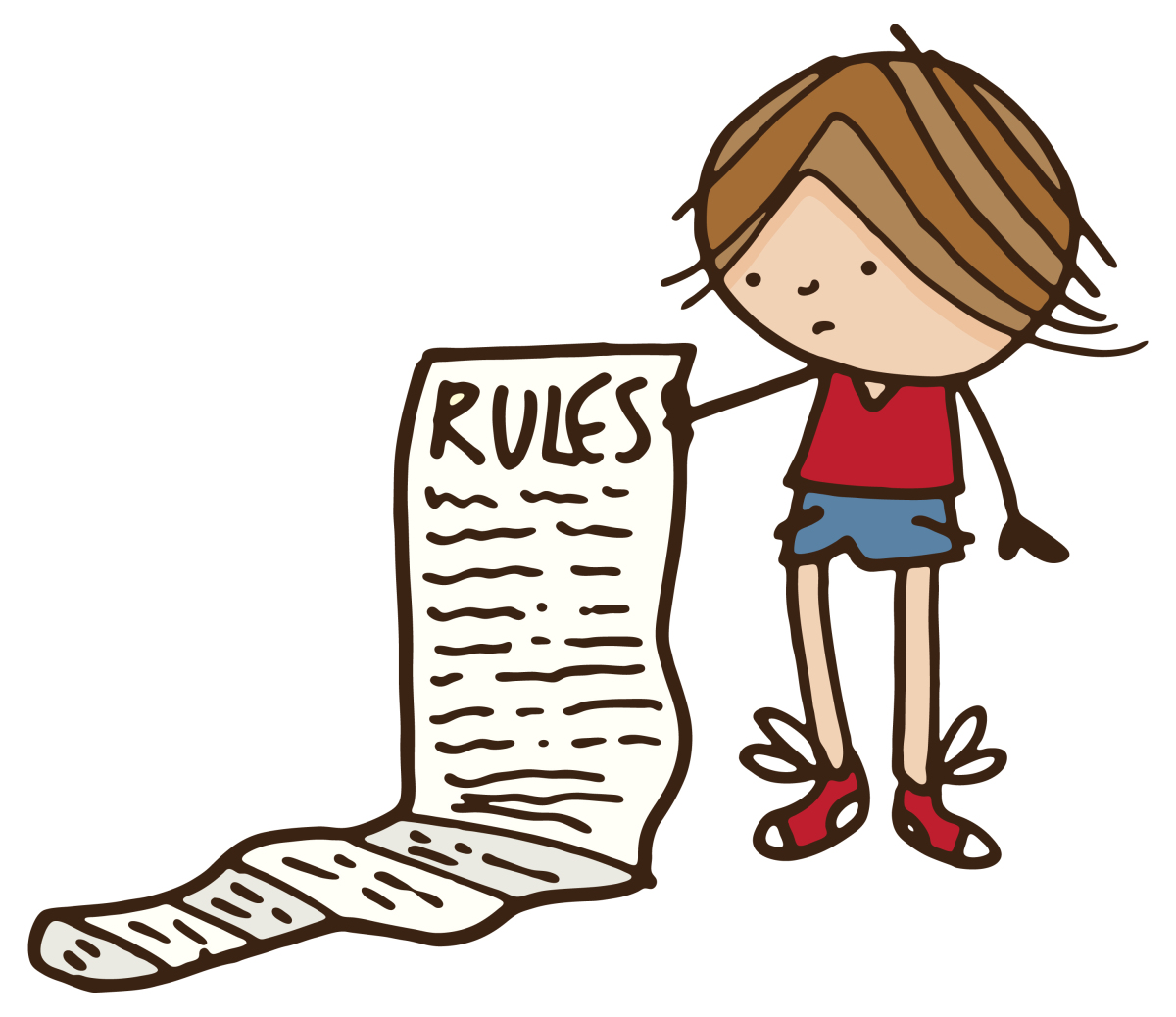
Many years ago I was a consultant for a school district wanting to improve its library program. I walked into one elementary library.  It was empty at the time, but it spoke volumes.  The first thing I saw was a poster opposite the entrance headed, “Library Rules.”  Among the items on the list were “No loud voices – speak in a whisper,” “No running,” and “Return books on time.” There were others in the same vein. You can probably come up with many of them.rules

Other than speaking in a whisper, many libraries have similar rules. What made this stand out was the sign was large, in a very conspicuous location, and it was repeated on at least one other wall. What this told me me is this library is all about rules.  What is most important to the librarian is people following them. It certainly wasn’t conveying a welcoming environment. Another take-away I had was the librarian was not a leader.  She was a protector of her territory.

You may be thinking you don’t want your library to be a disorderly place, therefore you need rules. Don’t you?  The answer is yes and no. Signs don’t need to be posted if students know what behavior is expected.  You can achieve that by example, and by discussing with students “how we want you to be in the library and why.”  I know one librarian who has three simple rules. “Respect yourself, Respect others, Respect the facility.”  That covers all that is necessary.  If you must have them visible, use a list created and designed by students and at call it “Our Library Rules.” That creates buy-in and community.

This is only one way a message is sent.  Step outside your library and then walk in trying to see it for the first time.  What hits your eye? Is it mired in the 20th century?  Are the shelves crowded? Are there places to relax appropriate to the level of your students? What is the balance of tech and print? Where is the circulation desk?  How good are the sight lines?

list of rulesWhat about the furniture? Can the tables and chairs be easily moved to accommodate different types of projects and group work? Do end caps invite browsing?  Are there areas for creating information as well as finding it?  Is the circulation desk too high for elementary students to approach it comfortably? Have you allowed for students with a disability?  It is the law.

And possibly most important, “Are there clear signs guiding users to the information and resources they want?”  Do you call it a “Circulation Desk” or “Check Out?”  Do you have a “Reference” desk or does the sign say, “Information?”

What about the displays?  Are all signs commercially made?  Is students’ work prominently showcased?  Is there something showing work in progress? For example, do you have dry erase paper on a wall where students can make comments? Do your displays change with the season and what’s happening in the school?

Some ideas require an investment of time and creativity.  It doesn’t cost much to put tables on wheels, although you will need your administration’s approval and probably willing custodians. Other changes require a substantial amount of money to accomplish and would require serious pre-planning or even a fundraising campaign. But could you apply for a grant from your local education foundation? i can help

You, too, send a message.  How are you when people enter your room? Are you engaged with students? If you are free at the moment, do you greet guests with a smile?  Do you do that with students?  Without saying a word, your library speaks volumes. (And the pun is intended.)

How are you sending a silent message that your library is an integral force in student learning and the educational community? Or are you saying “keep out”?

ON LIBRARIES: Quality Questions

essential questionI have blogged on the many aspects of this topic several times, but the subject is worth repeating. The questioning is only important when what is asked is worth answering.   Both your questions and students’ questions need to be significant.

Your questions should begin with the Essential Questions you focus on in framing a project.  My post on the topic in November 2014 noted that EQs can deal with concepts which are core to the discipline but not necessarily obvious to those not in it or look at broader ideas designed to open minds to the real-world implications of what they are studying.  Even understanding what they are, doesn’t make them easy to construct.

When I first wrote about EQs I suggested if you were faced with teaching the Dewey Decimal System (which you really shouldn’t ever do) an EQ might be, “How do libraries arrange material to help users find what they need?” After doing many of these, I don’t like that question because it only has one answer – by subject. Instead I would put piles of books on a table and ask them how they would group them so that others could quickly find what they are looking for? They might arrange alphabetically or color of covers. When they were finished, they would have to explain their thinking. Encourage the class to discuss how well that would work.  You could then guide them to recognize librarians had to deal with that problem and also came up with different solutions (Dewey, LOC, and now genre-based), but all these work because they have one thing in common – subject arrangement.  By having them work on developing an answer to the EQ they understand the how and why of classification rather than the specific answer.question sign

In an article in the September 2015 issue of Educational Leadership, Grant Wiggins suggests in studying the Vietnam War, a rather than, “Why did we fight the Vietnam War and was it worth it?, the EQs should be “Why have we gone to war? When was it wise, and when was it foolish?’ There are no right answers to those two questions, and answers will change over time and experience.  Of course, students would have to explain/justify their answers, and the second question cannot be Googled.

Beyond EQs are the questions you ask students.  They, too, need to be open-ended.  When I was an elementary librarian a long time ago, I foolishly asked such questions as “What do we call the person who writes a book?”  Not only was there only one right answer, but students were aware I knew that answer and their job was to find it.  This is not deep, critical thinking.

Ask a good question and then wait.  It’s really hard to do this but you want to encourage thinking time.  When you get a response wait again.  This lets the rest of the class reflect on what was said. For a follow up ask, “Why do you think that?” “Does anyone have any other ideas?”  Make sure your tone is one of interest nq marksot judgement. It must feel safe. The answers aren’t wrong, they represent one way of looking at the question.

Encourage students to question what you say. It’s all about not accepting facts being given to you, but about exploring deeper to find out what’s underneath.  With you as a model, students can learn to create their own Essential Questions and to learn to ask quality questions rather than focus on being able to provide the right answer.

Your guidance will re-connect with the curiosity that is innate in humans and the quality and depth of what they research will improve.  Thinking about a topic and developing questions about it is intrinsic to Inquiry-based learning and lifelong learning.  Creating a safe environment for questions provide the foundation that will help students in everything they do.edutopia

I once again recommend you check out Edutopia on 5 Ways to Help Your Students Become Better Questioners.


ON LIBRARIES – Creating Collaboration

pieces fittingOne of the biggest challenges facing librarians is how to get teachers to collaborate or cooperate (for those on fixed schedules) with them. How can you break through that barrier and show teachers what you can do for them and their students?  Unless teachers are forced by the administration to work with you, they probably won’t – unless you change the playing field. To make that happen, remember we are in the relationship business.

Too frequently when you are at a middle or high school the teachers are too busy to collaborate with you.  They bring their classes to the library to do a project they haven’t discussed with you and often don’t want you input. At the elementary level it’s even more difficult. Teachers drop students at the library door and pick them up at the end of the period.  Many don’t care what you did with their kids as long as they had time to grab a cup of coffee and catch up with their work on their duty free period. To them, that’s what the library period means.build relationships

Build your relationships first, and keep building them. You probably already get along better with some teachers rather than others.  Consider how that relationship developed.  You might be able to use that knowledge to reach out to other teachers.

Email communications don’t build relationships.  Personal contact does.  It gives you the opportunity to look the other person in the eye. To smile at them.  To give them your full attention. To wait to respond until you are sure they are finished. In the process, you learn something about them. What they like.  What they do in their free time.  All the things that make them who they are.

When you reach out to them to propose a collaborative unit, you speak to that whole person. Offer your support and encouragement.  Ask what the next research project will be about and when it will occur.  Let the teacher know you would like to support her and her students by showing them how the library can make it a more successful experience.  Promise any extra work will fall on your shoulders.

working togetherConduct a careful reference interview.  Was this project done before?  If so what were the results?  Was there anything that disappointed the teacher or was particularly successful?  If it’s new, what does she hope to see in the students’ products?  What are her concerns? From there you can find out if there are any Essential Questions for it.  If not, get back to her with some suggestions and ideas for how the project might be altered and what parts you will take on.  Find tech resources that will showcase what students do and be shareable on your website and any places where parents and others can see it. Be sure to offer to check students’ works cited information.

Show the teacher your ideas and be open to any changes. You are there to help, and while you can carefully guide, don’t overpower.  You are building trust.  Since you have a relationship it’s already there to some extent but you are now expanding it.

When the project is complete, in a brief meeting – or an email at this point – review what worked and what didn’t.  Would the teacher want to do this again next year?  What changes would she like?  What would you suggest?thank you

End with acknowledgement. Send a handwritten note to the teacher, and perhaps one to the principal, thanking the teacher for taking the risk and giving you and the students this opportunity. In this day of texting and emailing, handwritten notes get attention.

To create a cooperative unit at the elementary level, use much the same techniques.  Find out what is being studied and offer to do a complementary project. See if the teacher would like to see the results.

How are you building relationships?  Is it helping you to increase your collaboration/cooperation with teachers? What help do you need?


ON LIBRARIES – Uninformed or Misinformed?

beinformedI was talking with a professor colleague at the library school where I teach an online course, and she mentioned she came across an interesting distinction between people who are uninformed and those who are misinformed.  The first group are open to learning while the latter will reject what conflicts with their thinking.

I have been going over the difference in my mind for several days.  As school librarians we deal with both categories. Our students for the most part are uninformed and whether it’s for a class assignment or their own personal reasons they are looking for accurate information.  We are very good at helping them fill in the many missing blanks in their knowledge.

We also deal with students who come to the library with misinformation, and for them we need to think through how we approach this so they are open to accepting facts.  I believe the reason the misinformed cling to their beliefs is related to something I discussed in a blog last April – eighty percent of our decisions are emotionally-based. We use the other twenty percent to justify them.question things

With our students this may not be the case. It can be they just came across something in a Google or YouTube search and never bothered to verify it.  You can manage this, along with the uninformed by having students complete a KWL chart before embarking on a research project.  Add another column after the “K” for “H” – How do I know it? This provides the basis for fact checking, and gives us an opportunity to review the importance of validating sources.

When there is a strong emotional investment, you need to be careful.  This often surfaces when students are doing a pro/con paper.  Many years ago, I had a student who had strong religious beliefs on abortion.  She wanted to do her pro/con on the topic and we had a brief chat.  I pointed out to her that in the course of her research she would have to read and evaluate sources that contradicted her beliefs. Those arguments had to be presented and refuted with facts, not personal convictions.  While her research might confirm her views, there was no guarantee it would. I told her if she couldn’t accept the possibility, she should choose another topic for her paper.

answersDepending on their backgrounds, our students walk into our libraries with many convictions on climate change to evolution and more. These may not stand up to the rigors of academic research, and we do need to allow them the choice of whether to explore those topics.  This is not a denial of their intellectual freedom. The access is there if they choose to investigate the subjects.

Probably nowhere is the issue of emotionally-based decision making more apparent than in political views. As the presidential race heats up, the difference between being uninformed and being misinformed is likely to become more obvious, particularly when the views held are contrary to your own.  It will affect teachers as well as students.  Your responsibility is to have resources on all sides of the issues, whether or not you agree.  To keep your relationship with teachers positive, stay out of political discussions unless you talking with close friends with whom you know the subject is safe.


ON LIBRARIES: Makerspace Magic

makerspace wordleThe Makerspace phenomenon is exploding in libraries everywhere and they are an easy platform to use to reach what seemed a difficult goal – library advocacy.

The popularity of Makerspace programs  slowly at first with public libraries acquiring 3-D printers and letting patrons use them.  Soon it spread to first-adopter school libraries and librarians who also managed to get 3-D printers for their libraries.  Now more and more libraries are offering these programs –with or without 3-D printers. The programs are as varied as the librarians and the populations they serve.

In addition to encouraging and developing students’ problem solving skills and imagination, Makerspaces are giving librarians a great platform for advocacy.  When a well thought out program is presented to administrators they often are quick to approve it.  Librarians are amazed to find they have strong administrative support for their program for the first time.

Why are Makerspaces embraced by administrators?  It’s not the library connection.  It’s STEM and often STEAM (including arts) or even STREAM (research and/or reading).  Reacting to the nation-wide push for STEM-related learning, principals and superintendents welcome a tested idea for infusing it into the school program.  And library programs reap the benefit.

For years I have been an advocacy advocate (Isn’t that a great phrase?).  I have written and given workshops on why it is important for librarians to know how to develop advocates for their program.  Because it requires ongoing work, it is a hard sell, but Makerspaces have transformed the atmosphere. makerspace1

As with any advocacy program, you need to make stakeholders aware of what you offer. So promote the existence of your Makerspace widely. Put it on your website.  See if you can announce it in the public library.  Write and send out a press release to your local paper.

You also have a great opportunity to involve others.  When they are a part of it, they become ardent supporters. Which teachers (or possibly administrators) have hobbies or interests which lend themselves to Makerspaces? Would they like to lead a program?

With administrative approval, reach out to parents and others in the community to do the same. Chances are you have untapped volunteers who would love to contribute time, skills or tools. The more people involved, the wider reach your library program has.  Participants are natural supporters. Bring in the media – local newspapers and cable to do a feature.  Have them interview students to talk about why they like the program and what they are learning.

And don’t forget books.  For each Makerspace program have a display of books on the topic.  It always helps to have a quick resource for students– other than watching a YouTube video, which may be blocked. You want to show how hands-on work leads to research which the library facilitates.

make itThis can be a great place for you to get creative too.  Find fun ways to publicize and share your new program and involve as many students as you can. Consider putting together some mini-Makerspace ideas which can be borrowed by students.  Some of the items would be consumable, just as with any Makerspace project while other parts would have to be returned.  List the non-consumable inside the box with the materials so it can be checked in.  Put a library promo piece in each box. You would need approval for this, but it’s one more way to show parents and others how the library program promotes student learning. (NOTE: This idea comes from when, many years ago, my former co-author Ruth Toor circulated “Science in a Shoebox,” each with a different science project, including directions and list or what was contained in the box.)

Do you have a Makerspace program in your library?  Not sure how to get started?  There’s lots of information out there to help you – or you can ask for specific advice on the School Librarian’s Workshop Facebook group.

I am off to ALA Midwinter in Boston this coming week so I won’t be blogging next Monday.  If you are going, I hope to meet you there.

ON LIBRARIES – Relax, Reflect, Resolve

change of yearSoon 2015 will be history.  The good and the bad becoming personal or national memories.  At midnight on Thursday, we will usher in 2016 filled with promises, hopes, and dreams.  It’s a good time for a pause in our busy lives.

Relax – You have been busy. Before the winter break began you were working hard to finish up, leaving your library and program in a relatively orderly state so it will be easy to pick up again in January.  At the same time, you were also getting ready for the holidays. The holiday season, no matter how enjoyable, usually adds stress to your already stress-filled life.relax

Give yourself permission to relax now. The holidays are behind us.  School doesn’t resume for a whole week. Read the book you have been meaning to get to.  Binge on the programs you haven’t had time to watch.  Take a bubble bath if you enjoy them.  Treat yourself to lunch with a friend.

I love to walk.  It energizes me, clears my head, and works like meditation does for some people. When I walk I think, but I also greet people who are out and about.  I have come to know neighbors I wasn’t aware of despite living in my home for over forty years.  I watch the changing of the seasons and see who is making improvements to their home – and then go back to thinking.

Whatever is your favorite form of relaxation, now is the time to indulge.  You have been drained. You have been taking care of everyone else.  The one who most needs your attention now is you. At this point, you are your priority.  If you don’t get the relaxation your body craves, you will not be ready for the New Year.

Reflect – January, as you know, is named for Janus Roman god of doorways and arches. He is the god of beginnings and transitions, and is depicted as two-headed, looking back and forwards.  The perfect symbol for moving from one year to the next.

In between making time to relax, also plan to reflect.  Focus first on your successes.  What are you most proud of accomplishing in 2015 (hint: it doesn’t have to be about work)?  What are you most grateful for?  Recognize the good things you have.  It calms the spirit and gives you a positive outlook on life.reflect

Next, consider what you want to achieve.  Where do you want to go before the school year ends?  What have you learned that you want to incorporate into your program?  Also, what can you let go so your life is not as stress-filled?  Accept that you can’t do everything.  What best fits your priorities?  If you try to do it all, you won’t be able to give your best to them. And that can mean to  family and friends.  I know many of you stay long past dismissal and come home far too tired to enjoy what is most important.

Lastly, recognize what didn’t work.  What did you attempt that never got off the ground?  What got in the way?  Is it as important as you thought? If so, what can you differently? Did you mishandle a relationship?  In retrospect, what could you have done differently?  We don’t always react well under stress so using this time can prepare us for handling a similar situation better in the future. Is there any way you can mend the breach?

resolveResolve – This is the season for New Year’s resolutions.  Having spent time reflecting, you are ready to make some.  Be realistic.  If you have over five resolutions and attempt to make huge changes, you are setting yourself up for failure. Have an action plan with a few simple steps so that you can feel a sense of accomplishment which will inspire you to continue.

I’m happy to share mine with you

My Resolutions – I will continue walking at least three times a week. In bad weather, I will walk in circles around my house and my Fit-bit will keep me on track.  I will also go to a big box store or the supermarket in bad weather and put my coat in a shopping cart and push it around the store and look for changes in displays so I don’t get bored.

I will get back to writing the sequel to Woven through Time which I pushed aside when I began preparing for my two online courses and other presentations.  I will write four or more days a week, striving for 1,000-1,500 words per week so I don’t feel pressured as to how long I write on any given day.    Exceeding the goal will make me feel very successful.

How are you using your time off from school?  What resolutions are you making?

ON LIBRARIES – Sending Mixed Messages

mixed messagesAs librarians we try to create a warm, welcoming safe environment for our libraries. We also want our students to become lifelong readers and learners. But often there is a disconnect between these desires and what our students perceive. Most of us are so busy we end up on auto-pilot, doing things without thinking, not realizing our actions are sending a very different message.

Years ago, I was hired to consult for a district hoping to improve its library program (Unfortunately, we don’t see that anymore).  I walked into one elementary library with the intention of seeing how its arrangement helped or hindered creating an inviting atmosphere.  I didn’t have to look far.  On several walls, there were large posters proclaiming library rules.  No loud voices – speak in whispers.  Wash your hands before reading a book. Sit properly in your chair. Raise your hand before speaking. Only two books may be checked out.

I wanted to leave.  The library was neat and orderly and completely cold. It was about rules, not about reading, not about discovering exciting new things. I am sure the librarian never intended students to feel what I was feeling. She probably had her hands full many days with students who found the environment so repressive they acted out.  I hope she didn’t punish them by not letting them take out a book.Library rules

At a high school I visited, I was also struck by how a beautifully designed facility could be a turn-off. The rules weren’t posted in the same way, but there was no indication that this was a place for kids. The few posters were formal purchased ones.  The walls had no added color. There was no student art. No bulletin board showcased student accomplishment. The message was, “This is a place run by adults and you are not to disrupt it.” Not surprisingly there were almost no students working individually, and I discovered teachers rarely brought their classes in.

Numerous elementary librarians, intending to instill a sense of responsibility in students, have a strict overdue policy.  If they don’t return their books on time, they can’t take out any.  The message being is “returning books on time is more important that having something new to read.”  While overdues can problem since the books can go astray and parents are expected to pay for lost books, there are other ways to handle it. You can have slips ready to insert into a book pocket or even taped to the cover informing parents to please search for books not returned. If it’s the school that has set the rule, make sure students is directed to some books to read while their classmates are selecting theirs and checking them out.  Send home a note about the missing titles and allow the student to borrow books as soon as the overdue ones are returned even if it’s not the class’s day in the library. Make it about getting books to read in the hands of students.

empty libraryCreating lifelong readers is being hampered in many places by the emphasis on Lexile scores. It’s fine for instructional purposes but not for recreational reading.  The idea is to make reading fun not challenging, hard work. Leisure reading levels are usually below instructional levels.  This builds fluency and enjoyment which then allows students to take on more difficult texts in class. I dislike the “five finger” rule.  If I had to look up five words on every page of a book, I wouldn’t want to read it.  I prefer a “no-finger” rule. This would mean there might be a few words in the book which would be new, but mostly the students could zip along and enjoy the story.

Some students want to read a book that’s well above their Lexile level. Frequently it’s on a subject they are interested in, such as a sport.  Or it could be a popular title.  Even now, you might get a third grader who wants to read a Harry Potter story and is really not up to the task. The tendency is to not let the child borrow the book.  I would let it go out, suggest sharing the reading with a parent or older sibling, and recommend another easier book also be borrowed.  The stretch in trying to read the harder text will only improve the student’s reading skills.  This is different from forcing a child to read a harder book to match a Lexile level.  This is personal choice.

Do your policies and practices reinforce or conflict with the message you want to send?  Rethink now and plan to make changes when you get back from the holiday break.