ON LIBRARIES: To Do and To Don’t

I am very disciplined.  Usually.  And sometimes I am not. I have a feeling many of you share this duality, and I think there is a good reason for it.

Back in August, I did a blog called A Matter of Time. In it I discussed time management techniques to keep you from getting overwhelmed.  I advocated various forms of To-Do lists to keep you on track, recommending you find one that works for you.

And I certainly have a To-Do list.  I couldn’t function without one, yet there are some days when almost nothing gets checked off.  I used to become upset with myself for being so unproductive and not completing all those important tasks.  But I have come to realize it isn’t all bad to take time off.

I have found I am most likely to procrastinate the day after I have been extremely busy and productive.  It’s as though my mind and body are sending a signal they need to recharge.  And we do.  We can’t keep draining ourselves.  There is a cost.

Most of us have numerous obligations outside of work.  Whether it’s getting kids to sports or other activities, preparing dinner, doing laundry, taking care of the lawn, or shopping.  The list is long.  Consider what happens to your attitude and your patience when you have been on the run for days on end.

When you have been going full tilt on your job, you are likely to get impatient when you are interrupted, whether by a student or a teacher.  And yet, our jobs are full of interruptions.  It’s who we are and we want people to know we are there to help them.  I once wore a button that said, “Please disturb me.”

You know by now the importance of building and maintaining relationships.  They are key to our success.  The last thing you want is for teachers and students to think you don’t have time to respond to their requests.  You can destroy a relationship much quicker than you can build one, particularly if it isn’t well established.

There’s also the matter of burnout.  When you keep going without a break, you stop enjoying your job.  As I have said, much of our communication is non-verbal.  Your exhaustion sends a message that you are uninterested.  And that definitely you don’t want to be disturbed.

Worse, discipline problems in the library will increase. Students who are at loose ends because they didn’t think it a good idea to ask for assistance can get into trouble quickly.  Then there are those who love disruptions and recognize a great opportunity to set you off. Usually, you are able to distract them and prevent most problems.  But not when you are in overload.

Yes, when you get back to your usual helpful demeanor, people begin approaching you.  But if you spend too much time in that harried place, you may find fewer teachers dropping by to see you and ask questions.  Students will not risk a rebuff. What you need to do is recharge.

ticking now on check boxes on blackboard

You will have to focus on high priorities.  Classes must be taught, but you can scale them down.  At the elementary level, instead of a major lesson, consider having a coloring day, and join the kids.  More and more adults are discovering what a de-stresser that can be.  And the kids can use that too. At the end of the class, discuss if they liked the activity and why.

In upper grades, let kids research on their own and walk among them seeing how they are doing.  Ask them about what they are finding.  Close the period by having a group discussion on how successful they were and what they can do differently.  It’s a good self-assessment lesson.

For those of you who picked up the challenge of leadership, you may have been thinking that this is why you didn’t want to become a leader.  It is too time-consuming.  However, leaders must learn to set an example for others.

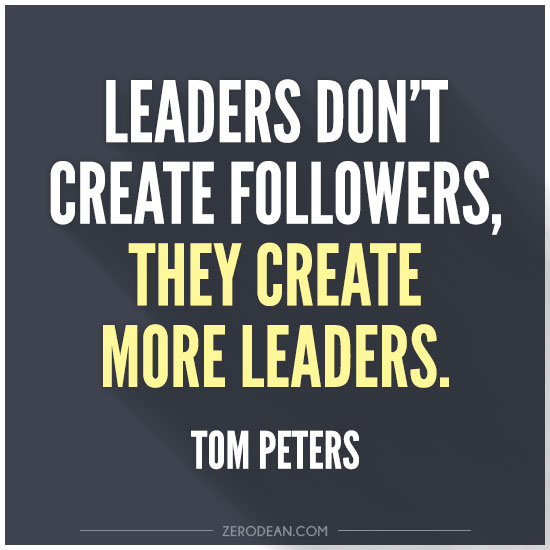
Among my favorite quotes is the one by Tom Peters, “Leaders don’t create followers, they create more leaders.” If a leader is seen as being exhausted and constantly in motion, no one will want to emulate them.  You need to show the rewards of leadership.

So ask for help. It may take time before you can figure out just what you need, but you will also be giving someone the opportunity to see what leadership entails. Librarians don’t usually know how to delegate, and if you are accustomed to being in control, it’s hard to give some of that up.  But the benefits are worth it.

Don’t overlook how your being overwhelmed affects your family and personal friendships.  Even if you are able to be your usual wonderful self on the job, when you get home you are not anywhere near your best for them.  Much as you love being a librarian, your work should not be the priority in your life.

You need to live a balanced life so you maintain your joy. Moments you chose not to spend with family and friends because you had “too much to do” can never be recaptured.

To rejuvenate look for small ways to procrastinate.  There are several things I do.  I play solitaire on my computer or spend time on Facebook.  As long as I keep an eye on the clock, the “away time” lets me return with new energy.

My favorite downtime activity is taking a walk.  It clears my head.  I can figure things out so much better than when I am on the computer.  Most of my blog ideas and how I am going to discuss them are figured out while I am walking.  At the same time, I stop and talk to people walking their dogs or take note of the change in season and how the trees and plants are changing.

I also make sure to see my friends on a regular basis.  I work at home primarily, but when my son comes over I stop what I am doing.  I have learned the task will get done.  It always does.  And cherishing the joys in my life helps me do a better job in completing them.

What gives you joy?  How are you living a balanced life?

ON LIBRARIES: Why Are You a Librarian

whyIt’s not a question we are often asked, and we almost never ask that of ourselves.  But it is a worthwhile exercise, particularly when you feel stressed by your job and the world.  As Socrates is attributed to have said, “The unexamined life is not worth living,”

In my own case, I became a librarian because I needed a job, and it was available. I was graduating from college and getting married.  I needed to know where I would be working so my future husband and I could find a place to live.  The superintendent of schools who interviewed me was desperate to find a librarian. I had worked as a page in the public library for two years, and I could get an emergency certificate attached to my new teaching license.socrates

Not a very good reason for becoming a librarian, but despite being terrible at the job, I realized I truly liked it. So I continued going for my masters even when I was justifiably not rehired at the end of the year. I found another job as a librarian and began to get better at what I was doing.

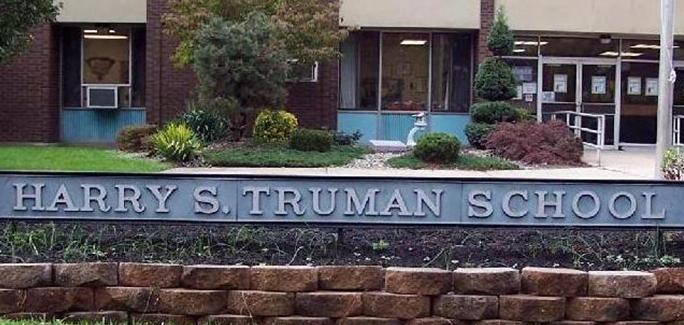
truman-schoolAfter taking several years off to raise my children, I looked for another library position as soon as they were ready to go to school.  Although I had trained to be a high school teacher and my first jobs were at that level, I was happy to find something in a brand new elementary school.  The school was unusual and it gave me a new “why” for being a librarian.

As an elementary level novice, I learned from the teachers. And that is how my next “why” came to be. I discovered how being open to what teachers could show me made them willing to learn what I show them.  The collegial atmosphere bred collaboration.  I was a librarian because I could help teachers do a better job.

My professional growth continued when I decided to go back to school for additional graduate courses. Because I was going for a Supervisor certificate I met librarians who were looking to become leaders.  I also met Ruth Toor, and as a result of the course, we wrote our first book, The Elementary School Librarian’s Almanac.

My career continued and my ‘whys” evolved.  The reactions of my students to the help I offered made me realize they were a central reason for why I was a librarian.  The better I got at my job, the more they appreciated what I could teach them.

I am extremely active in ALA/AASL and this too has affected my “why.”  I am a librarian so I can be a resource to other librarians.  I do so through mentoring, the books I write and the workshops I give.  But we are all resources for our colleagues. question-2

I also now recognize that I wasn’t aware of another “why” when I was working in schools.  By my interactions with students, teachers, and administrators I was making a significant contribution to the whole school community.

My experiences and the research has led me to in essence share why I am a librarian with just about everyone I meet.  Whenever I can, I let them know the value of school librarians.  And even though I no longer work in a school library, I am still a librarian.  And I know why.

Yes, your “why” will change over time.  It will continue to change if you are open to the possibility.  When the “whys” are positive you become even better at what you do.

What are your “whys” and how have they changed?

The Buddy System


lifetime-membershipI love my Weight Watchers program.  Although I reached Lifetime over 12 years ago, I faithfully attend my weekly meetings, because they keep me on track and I’m always learning new things. I was recently reminded of a truism I had learned a while ago.  You are more successful if you don’t do it alone.

Our program leader has us regularly set small goals, and I have always done so and found the practice very effective.  But a few weeks ago, she suggested working with someone in the program to keep our goals.  A few people had already made the connection but I hadn’t. Since I want to keep exercising, particularly walking, I paired with another woman who was struggling a bit to integrate it into her life.

We began texting each other. Every time she went to the gym and worked out on the treadmill, she would text me.  When I completed my two walks for the day, I would text her.  We both have Fitbits and while we don’t challenge each other since I walk more than she does, we let each other know how many steps and miles we covered in the day.buddy

The result is she is definitely walking more and had a significant weight loss this past week.  I thought walking 3-5 times a week was ingrained into my habits, but knowing I was going to text her, pushed me further.  In this case, I felt it necessary to be a role model.

Yes, there are days when life intervenes and one of us doesn’t get in an anticipated exercise, but we are buddies. We cheer each other on even as we hold one another accountable.  “I wasn’t in the mood,” is not something we want to text each other.

It amazes me how easily I can lie to myself or give myself excuses.  I wouldn’t lie to anyone else.  And that is part of the reason buddies work so well.  Another is the feeling that we are in this together.  We understand the challenges our buddy is facing because we have the same ones.

We live in a face-paced world with many demands on our time.  Too often we put the tasks ahead of relationships forgetting that humans are social organisms.  We need that contact for our well-being.

from-my-friendsSome people are really good at maintaining connections with friends, usually of the same sex.  I wasn’t that person for a good portion of my life.  Although I appeared sociable in my professional contacts, I was a loner and thought it worked just fine.  Friendships take time and I didn’t have any to spare.

I was wrong.

Making time for lunch with a friend energized me.  Exchanging thoughts with someone I liked and whose thoughts I valued, gave me greater insights into whatever I was doing.  The time with others enriched my life.
Although I generally think of buddies in pairs, if you have a common purpose small groups can foster similar feelings of success and accomplishment.  The barn raisings which were part of our pioneer culture brought the community together to get a specific task completed.  Everyone participated in one way or another. At the end of the day, there was a new barn and people felt the sense of satisfaction of doing a good and worthwhile job.  In addition, they shared a camaraderie that spilled into their future interactions.work-together

While few of us will ever be part of a barn raising, if we are open to the possibility there are still occasions where a group of like-minded people will get to get to achieve an objective.  When you hear of one, strongly consider participating.  As with the barn raising, you don’t need to be one of those nailing the boards in place.  There are always other jobs, but the sense of achievement and belonging are worth the effort.


ON LIBRARIES: The Power Of Sharing Your Passion

Passion is a powerful communication tool. powerful-communicationAre you passionate about what you do as a school librarian and what you – and the others in our profession –bring to students and the entire educational community?  How are you showing others your passion?

Passion carries with it your commitment.  When you truly care about something and are committed to bringing your absolutely best to it and then find opportunities to share it, others feel the emotional content behind that passion.  And as I have said before, emotion constitutes at least 80% of how we make decisions.

You don’t share your passion by getting on a soap box and proclaiming it.  You offer it to your students by the way you respect them, how you help them, and cheer them on in their intellectual growth. With teachers you look for opportunities to help them out, making them aware that you can make their job easier. You willingness to go the extra mile reveals your passion for what you do.  It doesn’t go unnoticed.power-of-passion

All of this builds a solid base for growing your leadership within the school community.  But don’t overlook the opportunities to share your passion beyond your building, and bring your feelings for what you do in your library into the outside world.

Be alert to occasions when you can interject a comment or two about libraries.  For example, if you hear someone complain about being exasperated or frustrated with technology, let him/her know you’re a librarian and you can recommend the public library as a place with lots of resources for learning more and possibly some free classes.

If he/she responds positively, and if you’re comfortable, tell him/her that being current with technology is something librarians strive for and that as a school librarian it’s important to you to help your students know this information as well.

Another possible occurrence is hearing a person complaining about all that fake news.  Chime in with your agreement.  Then say, “School librarians teach kids how to recognize false news. It’s part of their job.  Unfortunately, too many kids don’t have school librarians – or even libraries—as so many have been eliminated.”

passion-for-librariesOnce you tune into these opportunities you will find countless occasions when you can let people know about what today’s librarians do. Think of the various ways we contribute to learning, from literacy to technology and everything between.  When someone mentions bullying in the schools, point out that school libraries provide a safe, welcoming environment for all.

And yes, when appropriate, as in the first example, promote the public library.  We are all in this together. Their budgets and staff have also been cut.

Keep a few stories in mind to illustrate your comments.  Stories carry emotion.  As you talk about how librarians serve and transform their communities your passion will show.  Let it out.

You might think most people will listen to what you say but do nothing. True to some extent, of course, but think of how trees propagate. Their seeds are taken up by the wind.  Most end up in places where they cannot grow, but enough land in fertile soil and a forest can spring up.

The tree’s secret weapon is the sheer volume of seeds it sends forth.  The same needs to be true of you.  If you let all sorts of people know about the value of librarians and libraries some of your comments will find fertile soil.passion

Sometimes people don’t do anything and then a friend mentions a problem and they recall what you said. Passing on your comment strengthens the message.  The more of us who “seed” random conversations with information about the importance of librarians in people’s lives the better chance we have to create a forest of advocates.

How have you been bringing your passion about school libraries into your larger world?

ON LIBRARIES: Do You Have a Job, Career or Profession

It may be a strange question to ask and many won’t see too much of a difference among the three, but I find there is a different mindset for each.  Your true answer to the question defines how you are as a librarian in your school, district, and the world at large.

What are the differences?  What does each make you think of?

boring-jobJob – In some contexts, a job is a specific task sometimes as part of a larger one.  Merriam-Webster gives one definition as “a piece of work <doing odd jobs around the house> <Repairing the roof was a big job.>; especially :  a small miscellaneous piece of work undertaken on order at a stated rate <a car that needs a brake job>.” Another one it gives is, “a regular remunerative position <got a part-time job as a waiter> <she quit her job>.”

I have known people who have “jobs” they have worked at for many years. They work at these jobs solely for the paycheck.  While they may enjoy the social connection with those they work with, for the most part, they take no pleasure in what they are doing.  Just putting in their time.

 While some librarians have become disheartened by budget cuts and changes to their “jobs”, such as working 2 or 3 schools, and feeling they aren’t valued by teachers or administrators, I hope they haven’t succumbed to the job mentality. I can understand the frustration, but it’s important not to let it get the best of you.

If you do find yourself slipping into that on the bad days, focus on your students.  Think of them individually. Recall some of the connections you have made with them. Remember how their faces lighted up, the changes in their approach to reading, or their new belief in their ability to succeed.  You made a difference in their lives.  Don’t stop now. Also, refer back to your vision.  Your connection to that can keep you energized during difficult times.career

Career – Auburn University’s Career Center provides this definition: “an occupation or profession, especially one requiring special training, followed as one’s lifework.” Certainly librarianship qualifies under this definition.  I think a good percentage of you would think of yourself as having a career.

Pediaa uses that definition but goes on to state that it is, “An occupation undertaken for a major period of a person’s life and with opportunities for progress.” The first half of that explanation certainly applies to librarianship, but the second half doesn’t seem to part of what is possible for school librarians.

For me, this is really where career and job have a real demarcation.  Note that it didn’t say “promotion” but rather “progress.”  What does that mean in your daily practice? It implies that you keep growing.  The special training you had is not the ending but the true beginning of you mastering your career.

Every librarian I know accepts the realization that what they learned in library school needs to be constantly upgraded. So many of you connect through your state association’s listserv or social media to get help in dealing with a current challenge or difficult question from a teacher. You use this as your PLN and discover new tech resources on the web or as an app.  Your learning, and therefore your progress, never stops.

professionProfession– What then is a profession?  This is where I hope most of you are and the rest of you aspire to be.  When I think of professions, like medicine and law, I think of canons of ethics that are core values and standards they uphold.

Librarians have this. The Code of Ethics of the American Library Association succinctly puts forth the basic values we hold as a profession.  All librarians should be familiar with it. The Library Bill of Rights is another brief document but of equal importance in stating who we are and what we stand for as a profession. You should be aware of this document as well.  As librarians, we have many roles but whatever we are doing these two documents form the core of how we approach them.

I have some personal views of what a professional is that I didn’t find in any definition.  Professionals don’t define themselves by their current position. Their focus is not on the district or school but rather in the larger world any more than a doctor defines him/herself by the hospital they are in. Professionals recognize that to have the impact and make the changes they want to see, they need to be connected to their professional organizations.

If you’ve read any of these blogs or my books, you know I believe in taking responsibility for your own professional development.  If your district doesn’t give you time off to attend your state conference and one of the days is on a weekend, go then.  If not, take a personal day to attend at least one day of the conference.  Then prepare a brief report for your principal on what you learned that will benefit your students and teachers. Show this in action after six months.

ala-chicago

ALA is holding its annual conference in Chicago from June 22-27.  It’s a great city to visit and most of you will be finished with school.  Register now and start saving for it. AASL has its biennial conference November 9-11, 2017 in Phoenix.  I will be at both.  I get no reimbursement and I, too, watch my expenses.  But I am a professional and this part of the cost of being one. It’s no different than having to have an appropriate wardrobe for work or gas for your commute.

I hope you join me at either or both.

So do you have a job?  A career?  A profession?


ON LIBRARIES – Personality Plus

successWhy are some librarians successful and others are not? It’s not about knowledge and competencies.  I have seen highly experienced librarians unable to regularly get teachers to work with them while some newly degreed librarians are quickly embraced by the faculty.  What makes the difference?

My blog on “It Begins with Relationship,” posted on April 4, 2016 began with almost the same words.  I discussed some ways to build relationships with students, teachers, and administrators.  Everything I said is still valid, but there is something more.pq

Back in the very sexist 1950’s, a self-help book for teenage girls asked, “What’s Your PQ?” It stood for “Personality Quotient.”  While the advice was to employ tactics I would never use, the question is relevant for librarians of both genders.

Personality is a major factor in how people relate to you, how they connect – or don’t – with you.  And I am sure some of you are thinking that your personality is ingrained.  It’s how you are.  But as someone who has seen her own personality evolve over the years, I am convinced you can work with who you are and by knowing how to accent the positives of it, bring out a more engaging personality.

Attributes of an engaging personality include:

optimismOptimism – It feels good to hang out with someone who has a positive approach to life. This doesn’t mean a Pollyana who believes life is wonderful no matter what happens.  It’s a person who doesn’t focus on the negatives but deals with them by seeing them as “chopportunites” – challenges that can be turned into an opportunity (click the word to see the original post).

But perhaps you are a pessimist.  What can you do about that?  It’s who you are, right?  Face it, living with pessimism isn’t pleasant.  Even for the pessimist.  So take one page from the optimist and find the “chopportunity” in a given situation.  Change your mind set.  Affirmations seem too corny for most pessimists, so instead try “I can handle this.”  It’s not a ringing statement but it moves you from looking at whatever is occurring with a sense of despair.  With practice you will get better at it.

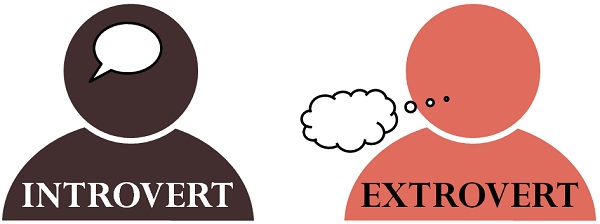
Introvert/Extrovert – Oddly both can be leveraintrov-extrovged to animate your personality.  If you are a librarian and an introvert you can’t retreat from being with people.  What you mean is that you don’t initiate a contact.  But introverts are great at listening and that is very attractive to others. Use this in a focused way and people respond.

If you are an extrovert, the caution is to “curb your enthusiasm.” Enthusiasm can be infectious, but it only work if you aren’t overpowering others with it.  Rein it in a bit and give others a chance to respond.

empowerEmpowering – As AASL exhorts in Empowering 21st-Century Learners, one of the things you do is to empower your students—and teachers.  In addition to giving them the skills they need, you can also empower others by recognizing their accomplishments and cheering them on.  Quite different from empty complements such as “good job,” this is specific.  You might say, “that was a very creative use of this technology” or whatever else they did.

Teachers and students need to be validated as much as you do.  Many don’t see where they are special.  Those with a positive personality know how to make others feel good about themselves. It ties to the Tom Peters quote, “Leaders don’t make followers; they create more leaders.”

inclusiveInclusive – What pronoun do you use most?  Listen to yourself. If you are saying “I” very frequently you can easily be viewed as egocentric.  It’s not about you.

Start thinking, “We are all in this together.  Together we can make things work better.” It’s important that you identify with the faculty.  So it’s “we teachers” not “you teachers.”  Your language will affect how others start viewing you.

In addition, as a librarian you should have plans at least in the back of your head for how to improve your program.  You can’t do it alone.  When you are inclusive you build the basis for a team. Using the other aspects of personality, your team will be ready to work together with you.

And finally the “Plus”

Related to personality but not exactly the same thing is Charisma.  When you think of charismatic leaders you might name President John F. Kennedy, President Ronald Reagan, Reverend Martin Luther King, Jr., Mahatma Gandhi, and others.  Not everyone liked them but a large segment of the population did and followed them, glad to help them achieve their goals.plus

To be sure there are negative charismatic leaders and they have successfully led their people down dark paths.  However, I trust you are not heading in that direction.  The fact is charisma is a powerful leadership attribute.

You might think charisma must be innate, but like any element of leadership it can be learned. LaRay Que wrote a blog post on her website called 6 Ways to Become a Charismatic Leader. Among the things she talks about is how to win the hearts of followers – an important lesson for librarians who want to get support from their teachers and administrators.

She also explains how to use story.  We have been focusing on this increasingly, but she brings an additional thought to it. Her last point is on how to create a strong persona.  By polishing your personality and recognizing your own skills and strengths you can do it.

So how is your 21st century PQ?  Where does it show up in your relationships?  And what how can you make it more engaging?

ON LIBRARIES – The Value of Values

valuesI have often written and spoken about the importance of having a Mission and a Vision Statement.  They keep you grounded and focused when you are being pulled in multiple directions by students, teachers, and administrators. They also guide you in determining where and why you want to take your program next.

What I haven’t really discussed was the even greater importance of Values.  Mission and Vision are powerful and succinct.  They are usually short so you can memorize and display them for others to see. Values speak to the core of who you are and what you believe.  They should be completely internalized.

Consider first how your values affect your life outside the library.  How you honor your marriage, raise your children, treat your friends, and all the interactions of your daily life are rooted in your values.  Without much thought, you make many decisions based on your values.  The same is true for you as a librarian.whats-important

When you write a Philosophy Statement, as I have my students do in my Management of the School Library Program course, I suggest they look at the “Common Beliefs” at the beginning of the AASL Standards for the 21st-Century Learner to start their thinking process. They are then to consider what they feel a school library program should embody and communicate.

Philosophy Statements generally run from 2/3 to a full page and are, in essence, a statement of your values.  For me, one of the most important value I hold is that the library must be a safe, welcoming space for all.  This has always been important, but it is clearly needed now more than ever.

safe-place-3It seems like such a simple sentence, but when it’s put into practice, it has many implications for you and your program.  Is your collection diverse?  Does it truly reflect your student body?  Are there books in fiction and nonfiction by and about Latinos, African Americans, Muslims and others who make up your school and community population?  Are there titles about homelessness or a parent in jail?  Your students need to see themselves in your collection.

One of the very difficult questions and decisions facing school libraries is buying and shelving LGBTQ books.  Depending on your community and geography, it can be a hard decision, but if one of your values is that the library is a safe, welcoming environment, your choice is to purchase those books or go against your values.

It’s easier if you haven’t identified your values. Then you can dodge the issue, but is that the person you are or want to be? Is that the program you want to lead?

As a member of ALA’s Committee on Professional Ethics, I have been looking at ALA’s Code of Ethics. This represents the Values of our profession.  It’s well worth reading.  This code is one of the things which make me proud to be a librarian even as I sometimes feel challenged to live up to these values. I have been focusing on section VII which reads:code-of-ethics

“We distinguish between our personal convictions and professional duties and do not allow our personal beliefs to interfere with fair representation of the aims of our institutions or the provision of access to their information resources.”

It’s not always easy to set our personal convictions aside, but it’s our responsibility to do so.  Our values should be governing our decisions.

While at ALA Midwinter in Atlanta, I learned that there seems to be “less interest” in our values. Programs at state and national conferences lean heavily to the practical. But the practical need to be rooted in something.  Our values as librarians, give us a uniting bond with each other.  It makes our organization strong and keeps us all on the same page (no pun intended).

intellectual-freedomI urge you to get in touch with our values as librarians.  Bookmark the Intellectual Freedom page and become familiar with the key documents. Start reading the Intellectual Freedom Blog.  You should know what ALA is doing concerning the issue. Most recently OIF condemned government agency censorship.

What are your Values as a librarian? How do they affect the way you do your job?  What are your Values in your personal life?  How have they influenced your choices? (Don’t you love my Essential Questions at the end of each blog?)


ON LIBRARIES: Making Connections

 alamidwinterlogoWhen you read this I’ll be heading home from ALA Midwinter Conference in Atlanta.  As always, I am looking forward to it for many reasons, especially the opportunity to connect with my many friends and colleagues from across the country.  While the majority are school librarians, I also cherish my public and academic librarian friends.  Which got me thinking about the importance of making connections.

My writing and presentations are always for school librarians, and I regularly discuss what needs to be done so we are seen as vital and indispensable.  The subtext in some ways has been we must learn how to stop the cuts to school library programs.  This ignores the much larger issue which many of us don’t recognize – library programs have been facing cuts in all types of libraries. making-connections

To be successful we must work together and get out of our silo.

As a first step, become acquainted with your public library and the librarians there, both in your school district and where you live.  Discuss ways you can work together to reach a broader community and show the importance of all libraries.  Do the same at any community college or four-year institution in your area.

I first took in this message many years ago when the then ALA president, Jim Rettig, talked about the library ecosystem. We are connected.  Damage any one of our library types and all are affected.  Students who don’t have or use a school library are not likely to become public library patrons as adults.  They also add a burden to college librarians who must attempt to teach twelve years of research and information literacy skills to freshmen who are clueless.

love-my-library-2Kids who went to story hours as pre-schoolers have learned to love books and libraries.  They bring that attitude with them when they start elementary school. Their obvious enthusiasm is communicated to their fellow students. The more kids who have that background the easier it is for elementary librarians to get on with their instruction and creation of lifelong readers.

You should be using the ALA website for help on Advocacy and other related matters.  Of course, you should also check in AASL’s website as well your state association’s.  If your state has ta separate association for school librarians, do become familiar with what’s on the larger group’s website and consider joining it.

Don’t overlook going to conferences.  I know it can be an economic challenge and many of you find it difficult to get release time, but the investment is worth it for the learning and the connections you will make.  Explain to your supervisor what you will be able to bring back to benefit students and teachers.libraries-transform-box

Beyond that, I strongly recommend you check out Libraries Transform the current initiative from ALA and has wonderful resources you can use.  There are two tabs in particular you should check out. “Trends” has twenty-three colorful circles each with a trend from Aging Advances to Urbanization.  In addition to Gamification, Maker Movement, and Sharing Economy you will find some less familiar ones such as Haptic Technology and Fast Casual.  Not all are part of libraries – but they could be.

The second tab to look at is Toolkit.  For that you have to register but it will give you access to how to reach target audiences, launch your campaign, and some ideas on how to collect stories. Graphics has a number of items you can print, post, and/or distribute.

future-readyFinally, I want to be sure you are aware of Future Ready Librarians and the Facebook page.  This is for school librarians and it’s about how to be an active part of Future Ready Schools. You want to be a building leader in that movement.  And you might also look at the School Library Advocacy website. They have a wonderful blog that is another source of ideas and possibilities.

You are only alone in your library if you choose to be.  To be a leader and bring to your students, teachers and educational community what they need, you must get connected.connect2

How are you connected?  Where else should you go?  How can your fellow librarians help? If you’re on the School Librarian’s Workshop Facebook page, share your questions, concerns, and successes.

ON LIBRARIES: Fake News and the Teachable Moment

teachable-momentsEvery librarian and teacher knows the magic of the teachable moment. Something occurs in the life of students or in the world and suddenly the kids are eager to find out more.  Whatever you teach at that moment, helping them get a better understanding of the situation will stay with them, possibly forever and with unending and unexpected ripple effects.

Much attention is now being given to what is being called “fake news.”  Although librarians have been using hoax sites for years to teach how to validate information, this issue goes far beyond that, and it’s important that students from older elementary and up learn how to recognize it when they see it.fake

As you prepare to do a unit on this, make sure you are being impartial.  Both sides of the political spectrum have indulged in this practice.  It’s not about you showing your personal perspective is correct. The Code of Ethics of the American Library Association states, “We distinguish between our personal convictions and professional duties and do not allow our personal beliefs to interfere with fair representation of the aims of our institutions or the provision of access to their information resources,” and we need to uphold it in our teaching as much as in our book selection.

A change of terminology might also help alter the climate around the issue.  It’s been my experience that words need to be chosen carefully.  They often carry heavy emotional meaning.  I have had students look at the different terms used on websites when they were researching pro/con assignments.  For example, “pro-choice” vs. “pro-life” or “embryo” vs. “fetus.”  It’s how biased sites work, and they are fine to use as long as you recognize and take into account their point of view.

One excellent sources to use for this “teachable moment” was posted on my School Librarian’s Workshop Facebook group page.  I liked it first because it refers to fake news as imposter news and it is a simple, easy-to-reproduce list of simple questions to ask. You can distribute copies to teachers for use with their class and use it in working with students.  For the elementary level, you might want to simplify the language.

liar-liarIf you search “identifying fake news” you will find a number of other sites you can draw on for your lesson.  I like the eight suggestions from FactCheck.org and the seven from the Washington Post.  FactCheck points to the existence of humorous sites such as the well-known The Onion, and the Washington Post suggests searching Google to locate the information. Be careful here. It’s not whether it shows up several times.  Some sites copy each other and looking at some of the URLs shows that they aren’t that “factual.”

Do direct students to Snopes. For years the site has been known for identifying urban legends and reporting on whether that warning email you received is true.  Now it has expanded into fact-checking reported news stories.

I have seen a number of infographics showing which sources report imposter news and which ones lean in a particular political direction. Again exercise caution here.  Some of those carry their own bias.propaganda

If you are concerned about working on the topic from its political aspects, you might want to try looking at fake health news. Introduce the topic using this website, and go on to have students explore the more controversial aspects and dangers such as the anti-vaccine group and others.  Collaborate with a science teacher on the project.

The “power of the teachable moment” goes beyond making learning relevant to students.  It also can and should be used to power your leadership.  (You knew I was going to make this connection, right?)

Taking students beyond the textbook and the often confining nature of the curriculum is part of what we do as librarians.  As you use these “teachable moments” to make an impact on students’ lives be sure you are sharing it with your teachers and more importantly with your administrators.

Show them what students are learning. Let them see the final presentations so they see the “enduring understandings” students’ are taking away. Video your students in action and “interview” them.  This is how your administrator learns what you bring to the educational community and to student learning.

What “teachable moment” have you addressed?  What was the result?


WRITING LIFE: I Am the Architect of My Life

horoscopeWhen I was growing up, I assiduously read my horoscope in the newspaper.  Heading up the daily forecasts for the astrological signs was the phrase, “The stars impel; they do not compel.”  Reading the words every day, I absorbed the message without thinking. I have recently recognized in many ways the phrase has shaped my life.

I was in a good situation working as a librarian in a school district for 22 years. I was respected and was secure in my job.  Then my supportive school superintendent announced she was going to retire in two years, giving the Board of Education the chance to find her replacement.  I looked into what might occur if I stayed.

I had an antagonistic relationship with my principal, but always had the backing of the outgoing superintendent. Without that, my professional life was going to be more confrontational.  I also suspected (correctly as it turned out) that he would become the superintendent in the near future. I immediately started job hunting and found a new position.

My colleagues were shocked.  Educators don’t choose to leave a district where they have tenure. I regretted the loss of my sick days and nothing else.  I finished up my library career working in a wonderful district where I had an even better situation and was completely happy.

We can let life happen to us, accepting it and complaining about it.  Or we can take charge. Make our own choices and risk being responsible for them. It may be scary but it’s empowering.your-own-choice

No one gets through life without bumps, challenges, and often very worrisome events.  Some have it worse than other, but all of us at some point or another feel as though the anvil that always landed on Wiley Coyote had been dropped on our heads.  You can’t control the anvil.  You can control what you do about it.

Complaining, blaming the universe, or others for your woes may free you from the responsibility of stepping out of your comfort zone to do something about it, but it won’t make you feel any better.  And living that way will only make you feel worse.  To be in charge of your life you must make conscious choices.

With those choices comes risks. We tend to avoid risk becomes it comes with the potential for failure.  For having your choice or plan not working.  What will you do them?  The answer is – make another choice.  Take on another risk.

More often than not you will find your risk paid off.  Sometimes not in the way you thought, but still bringing you benefits you wouldn’t have thought of.  And it’s empowering to be in charge of your life.

Taking greater chances is part of being an adult – and actively participating in your life. Parents tend to shield children from problems.  The cocoon of childhood is a safe place to grow.  But inevitably one must grow or be a child forever.

I lead everywhere in my life.  As I grew through adolescence and early adulthood, I never thought I was a leader.  But when confronted with adversity, I chose to step up.  Becoming accustomed to making hard choice prepare me for taking on new challenges.

proved-imaginedEventually, I put myself forward in areas that had important meaning for me.  Each step led to bigger ones.  One day I looked around and discovered I was being recognized as a leader. And it was exhilarating.  I like who I am.  I regularly face new challenges – and fears.  The fear doesn’t go away, but I trust myself and those around me to get through whatever it is.  I, too, have become the architect of my life.  And it’s a wonderful building.