A Purpose Driven Life

If you are like most people, you constantly feel as though you are being pulled in multiple directions at once. You are probably tired and overwhelmed if not always at least frequently. It’s not healthy, and it harms you and the people you care about who count on you. It can also shorten your life. So what can we do about it?

The question posed in the Harvard Health Publishing post, Will a purpose-driven life help you live longer? has a clear answer – yes. You may not know your life purpose, but you do have one for your work as a librarian. It’s your Mission. Your ‘Why’. My purpose, as an educator and a librarian is: “I reflect back to others their greatness, and, when appropriate, help them manifest it in their lives.” And I live this in my weekly blog where I talk about how you are vital to the students, teachers, and administrators, when I teach at the graduate level, and when I present at conferences around the country.

In his blog post, The #1 reason people fail at their life plan, Denzell Leggett explains why a life purpose is important, why people don’t have one, and offers his suggestion on getting one. Following are the three non-planning patterns he identifies and the answer he proposes along with my comments to make this more meaningful for you:

  • The Flywheel Hamster equals Fake Plan, Fake Hope – The hamster image conveys how many people see their lives. You keep moving but get nowhere. You are basing your plan on what you think you should do. When you realize you aren’t getting results, you change the plan but still are drawing on the expectations of others. So you are not really planning you are reacting.
  • The Floating Dandelion equals No Plan, Misguided Hope – Again the image reveals how you are moving through your life – a dandelion seed floating on the wind. Leggett says people who plan like this are relying on “luck, peer influence, media trends or family tradition to guide them. They chase whatever sounds good or seems easier in the moment.” The wind changes, they go in a different direction. It’s not plan and, once again, it’s all about reacting.
  • The Head-in-the-Sand Ostrich equals No Hope, So No Plan – Why bother if it’s not going to work. We see everything as out of our control so we move forward without a focus. When things are hard, sometimes it seems best to not be noticed even though we have learned that’s not a solution. No matter what is out of control, we can choose how we respond. That response might be the beginning of a plan.

So, if this doesn’t work, what can you do?

  • Transformation is the way out – Leggett says, “The key to destiny control lies in transforming one’s mindset, beliefs and actions to develop assured belief…[and] you must see yourself as the leader of your life. Your destiny depends on it.” He gives no advice on transforming your mindset, but a first step can be to take time to focus on what brings you joy. At work, at home, anywhere. What are you passionate about? List these things, add to it whenever you can. Your true life purpose will emerge. Once it does, as with your library Mission Statement, write it down, save it on your computer, print it out where you can see it and memorize it.

You are a leader in your life as Leggett says. You are also a leader in your school and library. Take time to get clear and discover your purpose. It will help you have the clarity to make a plan that supports that leadership, that supports your dreams, and enriches your life.

Time for a Reboot

New calendar, new planner, new month, new year. The start of a new year is the ideal time to take stock of where you are and where you want to go. You have completed about half of the school year and had your winter break. It’s time to return to work.

What will that work be? Will it be a daily slog till the end of the year? That doesn’t sound like a leader. When your computer gets sluggish, you reboot it. Now it’s your turn for a reboot.

In his article, Warning: Upgrade Your Personal Operating Model, Arne Gast opens with the statement: Effective leaders continually adapt their priorities, roles, time, and energy practices to stay ahead of new realities. He then goes on to present numerous steps to the business workers on how to move their career forward. Much of his advice can be applied to our work life. Here are some of the key steps along with my interpretations for the library program.

Assess your priorities – What is your main purpose? Look at your Mission Statement. Does it still capture the focus of what your program needs to be? Tweak it if it doesn’t. Remind yourself of what is at the core of what you do. Let these priorities inspire you.

Do you fully understand your mandates? – Who are your stakeholders? Do you fully understand their wants and needs and how the library meets them? Remember these 4 Truths:

  • Every library, regardless of its type, is part of a larger host system.
  • Every library, regardless of its type, gets all its funds and resources from this larger host system.
  • Those funds and resources depend on the value of the library to the larger host system.
  • That value is determined by the larger host system.

What can you quit doing now? – This is a tough but important one. How many projects do you have going? What’s in your daily routine that drains your time and energy? Can any be reduced or combined? Or still better – eliminated? If not, look to plan these things according to your energy. Tackle the least important (ex: emails) at your least productive/creative time of day.

Are you focused on the work that only you can do? – We bring greater breadth and depth to the educational program. What are you bringing to students? Teachers? Administrators? How are you implementing your Mission Statement on a daily basis? What, if anything, do you need to change? You are the only librarian in your building. Let your unique contribution shine.

Who has your back? – Which teachers collaborate or cooperate with you regularly? Does your principal know and support the work you do? The underlying question is how successfully have you been in building advocates for the library? After you answer this, determine what do you still need to do. Create an advocacy plan for the remainder of the year if you don’t have one in place.

Manage your time – We’re tired of hearing this, but there are only so many hours in a day. The skill of time management is to maximize what time is available. (And this goes back to “Whaht Can You Quit Now). Have a basic schedule for when you do certain tasks, recognizing there will always be incidents that require immediate attention. The schedule helps you get back on track. Know your most productive times. Use the least productive time for routine, almost non-thinking, tasks.

Optimize your energy – No one can keep going without draining their inner batteries. You need time to recover and restore your energy. Incorporate self-care and time for family and friends into your schedule (yes, put it in that new planner(. You will be more productive and bring a more positive mindset to your work day.

Who are your real friends? – Who are the people with whom you can safely and appropriately vent? Who do you talk to when you are stressed out? In addition to your PLN (professional learning network) you should have another PLN — a personal learning network which should include family members and good friends.

Gast’s steps will get you ready to return and be the leader you need to be. I have one more step.

Make time for gratitude – It’s easy to be negative. So much is wrong in education and in other areas of our lives and the world. Focusing on that gets us nowhere. Make it a point each day to find three things for which you are grateful. It can be as small as a teacher thanking you for a website or app you found for them. Or it can be as big as getting a grant. You’ll find your spirits lift when you notice these moments

Positive leaders attract others to them. Use these steps to recharge, recommit, and be ready to step into success.

Happy New Year.

Ready for the New Year

Although the school year is not quite half over, there is a fresh start feel when January begins. You come back after break refreshed and, hopefully, with more energy. Like Janus, the two-headed god, you naturally look back at what was and forward to what you will create for the next several months. While that is instinctive, you will be far more prepared if you have a planned approach for this reflection.

Joel Garfinkle provides a multi-step process in his article, “Reflecting on your year: How to end strong and start fresh.” You might not be able to do all steps now since you are probably reading this after the winter break has begun, but keep it on file for use at the end of the school year.

Step 1: Close Out the Old Year

  • Wrap up loose ends – Clear out the email. Finish off any reports that are due. Send a succinct email – in a visual format if possible – to your principal highlighting the achievements of teachers and students work in the library since school started. Get back to any teachers with whom you need to complete plans for the upcoming year.
  • Organize your space (physical or digital) – Make your desk look ready for work. Ditch or archive files in any format that are complete. Set up your digital or paper calendar.
  • Celebrate your accomplishments – We need to recognize our achievements. You sent the email to your principal. Keep it in mind for your end-of-school-year report. Take time to reflect on achievements, personal or job related. It’s too easy to overlook these as we turn to the next thing on our to-do lists.
  • Stay connected – We may be away from work, but the world goes on. Make sure those who might need it have a way to contact you. Plan on checking your PLN and professional associations so you aren’t blindsided by changes.

Step 2: Take a Well-Deserved Break

  • Unplug to recharge – This is self-care time, and you need it. Yes, you may need to stay connected, but it’s not 24/7. It’s not even every day. Time to read what you want!
  • Reconnect with family and friends – These are the important connections whether in person or via emails or Zoom. Enjoy the time to really listen to the people who matter most in your life. Have fun.
  • Strengthen your network – Yes, you should unplug, but while checking your PLN and associations, look for those who are sharing new ideas or having creative approaches to dealing with challenges. Follow them and/or do what is needed to let you keep track of them. Reach out and acknowledge those who really inspire you.
  • Practice gratitude – Now is a great time to thank those in your PLN, teachers, and others who have helped you through the bumps in the road. Handwritten messages are best but reach out in whatever way works for you.
  • Reflect on your growth – We often complain that our achievements are overlooked, but we do this to ourselves as well. In successfully managing the many challenges we deal with, we fail to recognize how much we have grown as leaders and professionals as a result.

Step 3: Prepare For a Fresh Start

  • Set clear goals – You’ve acknowledged your accomplishments. Now you get to build on them. Be honest about where you are now and where you want to be by the end of the school year. And as you look to see what you want to do more of – also look at what you want to less. Make sure to notice what projects excite you – because joy has become recognized for its importance to our mindset and for achieving more.
  • Organize priorities – Look at your Vision and Mission Statements. Do they need tweaking? What do you want to accomplish in the remainder of the school year? How will you do it? Create an action plan with steps and dates for reaching them. Include an assessment.
  • Learn from negatives – What didn’t work? No one has continued successes. We know failure is a learning opportunity; we just don’t always remember to apply that maxim to ourselves. Instead, ask your PLN for advice on how you might have managed it better. You will have strengthened your connections and grown as a result.
  • Track your wins – Always! This will help you through the unavoidable rough patches. I keep my “success journal” handy. It’s a great reminder of what I have accomplished.

You’re a leader and aware that if you aren’t planning for success, you are planning to fail. Clear your path to success and watch as you live into your Vision and Mission. As the year ends, I wish you a Happy Holidays and Happy New Year.

Reflect, Renew, Plan

Happy New Year! You probably aren’t quite ready to think about heading back to school yet, but before your super-busy work schedule takes over your life, I thought I’d offer some ideas for how use the remaining time to get the year started in the best possible way.

When there is so much pulling at you and demanding your attention, it is all too easy to push forward without giving yourself time to think. That way leads only to rapid exhaustion with no sense of what you have accomplished or where you want to go. If you can’t do it before, schedule time on or after your first day back to anchor yourself, and you will be more productive and more likely to achieve the results you want by the end of the school year. Helen Tupper and Sandra Ellis offer a musically oriented 3-step approach in explaining How to Create Your Own “Year in Review.”

  1. Press Pause – Although January 1 is not the beginning of the school year for educators, the first half is broken up by many holidays. Learning tends to go into high gear after the winter break. Pause is such an important step before starting anything, and it’s a critical step now.

The authors say to use this time to answer key questions. Ones that can work for us include:

  • What was my biggest success?
    • What made it happen? What can improve it?
  • What didn’t work?
    • What did I learn from that?
  • What can I realistically achieve by the end of the school year? (Make sure it connects to your Mission and/or Vision.)

Take the time to write down your answers. This is an important step as helps you to focus.

2. Play it Back This is where having a mentor really helps. If not a mentor, choose a librarian friend. Schedule a time when you can share your answers to further clarify your thinking. Did you minimize your successes? Miss a key success?

Add some questions. Among the authors’ suggestions are: What was most fulfilling? Most frustrating? You might also add:

  • Where was I afraid to step out of my comfort zone?
  • What was the most useful thing I learned from a print or digital source?
  • Who enjoyed working with me on a project?

3. Fast Forward –Review what you discovered in the first two steps. Use your results to create an action plan. Again, start with some questions. Two of the authors’ suggestions I like are: “What habit will I commit to? What is one mistake I won’t make again?”

I would add:

  • Who can I target for a cooperative project?
  • What do I need to do to inform stakeholders of what the library has accomplished?
  • What do I need to do to move the library’s vision closer to reality?
  • What’s my plan for it?

With the clarity this reflection gave you, you are now ready to start the last half of the school year. Be the leader your teachers and students need you to be, and I hope you have a great second semester.

Time – It’s Irreplaceable

Nothing is more valuable than our time. Once it’s gone, we can’t get it back. Each day, someone or some task claims another piece of it. At the end of a very long day, you are often left wondering where the time all went. When you look closely at a typical (if there is such a thing) day, there are precious few hours to complete all your tasks. How do you manage the available time to get the best results?

It takes organization and focus. Be mindful of what you are doing – and why. Create a system that works for you. Know where you are and what you will do next. For example, as I head into my office to begin my day, I always know what my first task will be. When I was working in a school library, I did a mental review of my schedule while on the drive to work. On my way home, I would shift gears, plan my route if I needed to do an errand or recall what I had to do to get dinner started.

What do you need to do to get a handle on time management? In How to Use Your Time Effectively and Efficiently, Paul B. Thornton recommends for effective time management to “Separate the ‘vital few’ from the ‘trivial many.’ Don’t waste your time solving the wrong problems or pursuing the wrong goals.”

Effectiveness is about using your time for the right things. He lists these five effective techniques:

  1. Writing down priorities and making them visible – Whenever possible, tie these to your Mission and/or Vision statements. It will keep you focused on what really needs to get done.
  2. Periodically reviewing and revising your priorities – Change happens. Are your priorities adjusting and changing with them? And when was the last time you reviewed your Mission/Vision statements? Be sure they are current. I recently read one from a library whose mission dates from 1987.
  3. Learning to say “No.” -Two letters, but a very important word. If the request doesn’t fit your priorities, consider if it’s possible to say no. If it’s not, look for alternatives. (I did a blog post on this a few weeks ago).
  4. Checking for alignment – Again, review your list to see if there are tasks that don’t fit with your priorities. Thornton advises you to see where you can make changes. Also, look for ways to delegate to others.
  5. Schedule uninterrupted time – Officially scheduling this time is incredibly challenging during the school day. If you have a period of time where no one is with you in the library, I recommend shutting off the lights, so people think the doors were closed. Commuting time can also be used this way.

Efficiency means you what you can to not waste time. Thornton’s top five efficiency techniques (he lists ten) are:

  1. Create a “to-do” list – Connect this with your effective techniques (above) by reviewing your priorities when making this list. It’s also important to choose a listing method that works best for you. Do you number the highest ones or star them? Do you prefer a daily or weekly list?
  2. Periodically identify what you can stop doing Just because something was a priority, doesn’t mean it still is or is as high a priority as it was. Thornton recommends looking for ways to eliminate what doesn’t provide value.
  3. Get organized – More than the “to-do” list, this is your calendar allowing you to keep track of meetings and deadlines. What works best for you – digital or paper? How do you ensure you don’t overlook what you have recorded? Do you have a reminder system in place?
  4. Remove the clutter – Looking for things wastes time. If you don’t need it, get rid of it.
  5. Deal with paper and electronic documents only once – A follow-up to the previous one. Thornton reminds you there are only three things to do with them: file it, toss (or delete), or take action. It can be hard to make an immediate decision, but doing this whenever you can will make you more efficient.

And don’t forget about your time outside of work. Be sure you are giving you and your family the time they deserve. You also need personal time to refresh and rejuvenate. It may not be every day, but if you aren’t doing something at least weekly, you are wearing yourself out. Time is your most valuable commodity. Don’t waste opportunities for joy.

Gratitude, Reflections & Resolutions

The December holidays are pretty much done. You (hopefully) have time to relax before New Year’s and the return to school. In this quiet space, it’s a great opportunity to take some time to think, focus your mindset, and be ready to bring your rejuvenated self to being the best leader and librarian you can be for the remainder of the school year. But where to start?

I am a great believer in gratitude. The daily stress and crises of life, both personal and professional, can drown out the good. Life will always happen, but we need to savor the happy moments. To do this, find a quiet spot. Take a notepad or your tablet with you and give yourself time to think. What do you have in your life that you are grateful for? Family and friends. Home, food, coffee, jobs we enjoy, the people who make our lives easier. Start listing them. As you continue to think, your list will get longer.

Reflect on the joys and celebrations you have had this year. I keep an “All Good Things” canister on my kitchen island. I record whenever something good happens to me or a family member on a sheet of paper from a small pad I keep in the cannister. Then I fold it, write the date on it, and put it back in the canister. On New Year’s Day, I empty the canister and put the folded sheets in chronological order. As I read through them, I can remember what I great year I had.

With those two steps completed, you are ready for the traditional writing of New Year’s resolutions, intentions, or goals. Knowing how often these are made and quickly broken, consider Dan Rockwell’s suggestions in A New Year – A New Focus and do it differently.

His novel idea is to start by making a “Don’t Want” list. You’ll be amazed by how quickly you’ll write this. We are quite clear about what we want less of. Follow it with a short explanation of how to keep it out of your life (or minimize it.)  For example, you may not want to feel so tired. So, you will need to go to bed earlier. Perhaps you don’t want to be always going from task to task like the Energizer bunny. You will have to prioritize your commitments and learn to say, “no.”

Rockwell says to then consider what you do want. Think about what you want more of in your life and then ask yourself what it would take – what would the steps be – to have that in your life. If you want more time with your family what will you need to do? What will you stop doing to give yourself more time? On the professional level, you might want to collaborate with more teachers. Who can you reach out to? (You don’t want to tackle too many. Remember you are prioritizing your commitments.) What’s the best way to connect with that teacher? How can you build your relationship with them?

With these two lists, you now have a clearer idea of where to focus in the New Year. Reflect again. This time on what went well this year. How can you improve on what didn’t? How can you take your successes to the next level? How can you let go of what didn’t work or didn’t serve you?

And lastly, Rockwell (and I heartily agree) asks “How do you want to bring value to yourself and others? You have noted how much you have to be grateful for. Now it is time to focus on the ways you can give back. You are a leader. What do you need to do that will strengthen and grow your community? But do maintain balance in your life. It will be a matter of priorities.

Quiet time over. You have set your direction for the New Year. Now enjoy the remainder of your vacation.

You Are Not Lazy

photo from Canva

It’s been another tough year (okay, is there ever not one?). There’s more to do than ever, and everybody seems to be doing more than we are. Any time we take away from getting things done if it’s not we studiously scheduled for self-care is considered wasted. We think it’s “proof” we are lazy.

A piece of advice, which I sometimes need to remind myself, is “Don’t judge your inside by someone else’s outside.” We see what others are doing, but we don’t see what they are not doing. Their lives and task may have some similarities to yours, but are actually very different. We judge ourselves when we compare, and our judgements are usually harsh.

Give yourself the same generous support you would give others. Doing nothing for an entire evening or taking off a whole day, even when that’s not what you originally planned doesn’t mean you are lazy. Could be that you are very tired. Or overwhelmed. Or haven’t truly given your body and mind time off. In these cases, allowing yourself to not do what you planned is probably the best thing you can do to be productive and effective. If you don’t let yourself have down/away time, you will burn out.

You don’t want your exhaustion to cause you to take more and more time off. That’s usually a sign you’re heading for burnout. Albert Costill explains How You Can Become Productive – Even If You Are Lazy. He presents the following ten tips for doing it:

  1. Arrest Your Laziness Culprit – Identify what is causing your need to take time off. Is there a task you hate doing? Maybe you can delegate part of it. My best method is to get it done first so it doesn’t wear on me all day – or distract me as I do other things. Remember, your inner critic isn’t helping. Talk to yourself like a friend.
  2. Find Meaningful Work – Or make your work meaningful. Sometimes we approach tasks like robots. Do this. Then do that. Ask yourself why you are doing it. Why does it matter? Connect your tasks to your Mission and Vision so you see their purpose.
  3. Surround Yourself with Success – Costill suggests listening to a motivating TedTalk. Find the things that work for you. Stay away from colleagues who spend time complaining. I like keeping a success journal to remind me of what I accomplished in a day.
  4. Play to Your Strengths – You know what you are good at. Costill suggests drawing on them to help you accomplish a task. Your strengths make you confident in what you are doing and allow you to be more productive.
  5. Make It Difficult to Get Distracted – Okay, during school hours this might be nearly impossible, but even if it is only for a half hour, have or create a space where you can stay focused. Have everything you need before you start and minimize your distractions. Turn off your phone or put it on vibrate.
  6. Procrastinate – Yes, there is a time and place for this. You can’t go from one intense task to another one. Do whatever works for you to clear your mind. Meditate. Go for a walk or run. Read a few pages in a book. The space you gave yourself will often allow new creative thoughts in and have you more ready to take on what’s next.
  7. Do a Victory Dance – You don’t need to do this literally but find a way to congratulate yourself for your accomplishment. This connects to #3 and surrounding yourself with success. Teachers used to give students gold stars. How many did you earn today? This week? Notice your forward momentum and celebrate it.
  8. Try Gamification – Big tasks take a long time to complete. Sometimes the end seems so distant it is hard to believe it will get done. Break it into its parts and give yourself “points” for achieving each “level.” If a job took you an hour last week – see if you can do it faster this week. Find ways to have fun with the progress as well as the goal.
  9. Relax and Do the Things You Enjoy – This is a reminder to give yourself time to the things that give you pleasure. As with Procrastinate, it will allow your creative energy to emerge. Positive feelings bring positive results.
  10. Recruit Support – Is there someone who can work with you on part of the task? Remember, “If you want to go fast, go alone. If you want to go far, go together.” If that is not an option, draw on your ever-available PLN. They are always there for advice and support.

There is so much to do – chances are you doing much more than you realize and only noticing when you’re not working. Be kind to yourself. Try a reverse of the Golden Rule and treat yourself as you would treat others. 

Lessons Moving Forward

We have gone through what has been an exceedingly challenging year and survived. There are scars, and there are lessons. The scars are a tribute to our resilience and will always be with us. The lessons need to be as well. What life lessons helped sustain you and others in the last year and a half?

One of my big lessons was the need for scheduled connections. In my pre-pandemic hectic life, I reached out to family and friends as the mood struck and time was available. Now these important people are on a schedule and/or on my to-do list. I don’t see them as work, of course, but I don’t trust myself to be consistent without reminders. I am too likely to get caught up in the returned busy-ness and forget. I don’t want to lose the connections that were deepened.

As we relax over the summer and make plans for the year ahead, this is a good time to take stock of what we learned or what we’d like to make sure to keep in the future. I found LaRay Quy’s article The Best Advice People Can Give Their Younger Selves touches on seven recommendations to help us:

  1. Make plans but write them in pencil – You need a direction, but you also must be prepared to change it as the situation demands. Being flexible was key in the last fifteen months and that will not change. If you are traveling on a highway, accidents and construction can force you to detour. Life’s journey is no different. Sometimes the detour allows you to see and experience what you might have overlooked. Sometimes it slows you up, but you still saw something new. That’s life. Or as Ursula LeGuin said in Left Hand of Darkness, “It’s always good to have an end to journey toward, but it’s the journey that matters in the end.”
  2. Read better books – We read –we are librarians. Have you been denying yourselves the pleasure because of too much work?  We need our reading to help us grow. It’s not necessarily significant texts. It’s new authors who present a different perspective.  I have found important insights in romantic fiction. The genre is not what’s important. The author and their message is.
  3. Invest in friendships – As my opening example shows, we need friendships and connection in our lives. We need our old friends and need to make new ones. Quy notes we attract people like us. Focus on your positives and your friendship circle will be enlarged by equally positive people. Find people who want to grow and learn as you do.
  4. Know when to leave – This is true in relationships and in work. Reflect on the relationships in your life. Are there some that are draining? You don’t need people who only take. Some jobs are toxic as well. I left one, and it changed my life for the better. Don’t stay in bad situations because you fear losing tenure. If you are good, you will get tenure in the next position – and you’ll have a situation where you can thrive.
  5. Forget about following your passion – Here is where I disagree with Quy, but it’s mainly a question of definitions. She says passion is fleeting and self-serving, and it’s better to follow your purpose. I emphatically support following your purpose. But my purpose has become my passion, and it has been my passion for many years. Take time to look at what you’re passionate about and see how that weaves into your purpose – the connections you find will surprise you.
  6. Solve harder problems – It’s easy to continue doing what we have always been doing, but growth comes from leaving your comfort zone. This is where you truly live your purpose. Take it onto a larger stage. Volunteer for a committee with your state school library association. If you already do that, move to the national level. Scary?  Yes, but as you grow, you become better at your job. Your new knowledge will affect how you present yourself and boost your confidence. The result – your colleagues and administrators will recognize you as a leader.
  7.  Forgive first – This may seem like an odd piece of advice for this list, but anger and resentments weigh you down. It gives the other party power over you. You don’t have to forget, but recognize the issue is in the past. You don’t want it in your future. And don’t forget to forgive yourself.

I would add two more to Quy’s lists; Being Aware of Others, and Gratitude. I am far more conscious of the many people on the fringes of my life whose work makes my life possible. Delivery drivers, sanitation workers, the employees of my local supermarkets, and health care providers are among the many people who make my days easier. I am more aware then ever of the work they do and I am very grateful.

It’s time to reflect and plan. As expected, our post-pandemic world is a changed place. We need to envision how we will be in our new normal, and that means integrating the lessons we learned. What would you put on your list to help you move forward?

ON LIBRARIES: High Touch When You Can’t Touch

In recent years, many businesses have found success by being “high touch.”  According to Upscope a high-touch business is “one in which a customer places trust and partnership with a company, and in many cases, a specific individual or team at the company.” These companies develop close relationships with their customers, which builds loyalty.  The mental image is of them “reaching out and touching someone,” of being connected. We, too, need to develop these kinds of relationships with our “customers,” but in the current environment this is challenging on both a figurative and literal level.

Our ability to connect with teachers, students, and administrators determines whether we will be considered indispensable. But we base much of our relationship skills on being in physical contact with others.  We are accustomed to reading the body language and tone of voice of others to help us identify where they are and what they need.  Zoom may give us some clues, but it doesn’t come close to real life.  While we will probably have more in-person contact as schools resume, you will still need to rely on other means to build and keep relationships.

In developing these alternatives, you will display important leadership characteristics. Our teachers and students are crying out for leadership as the ground beneath us shifts almost daily.  Our administrators are stressed even more than the rest of us, being put in charge of situations fraught with uncertainty and danger.

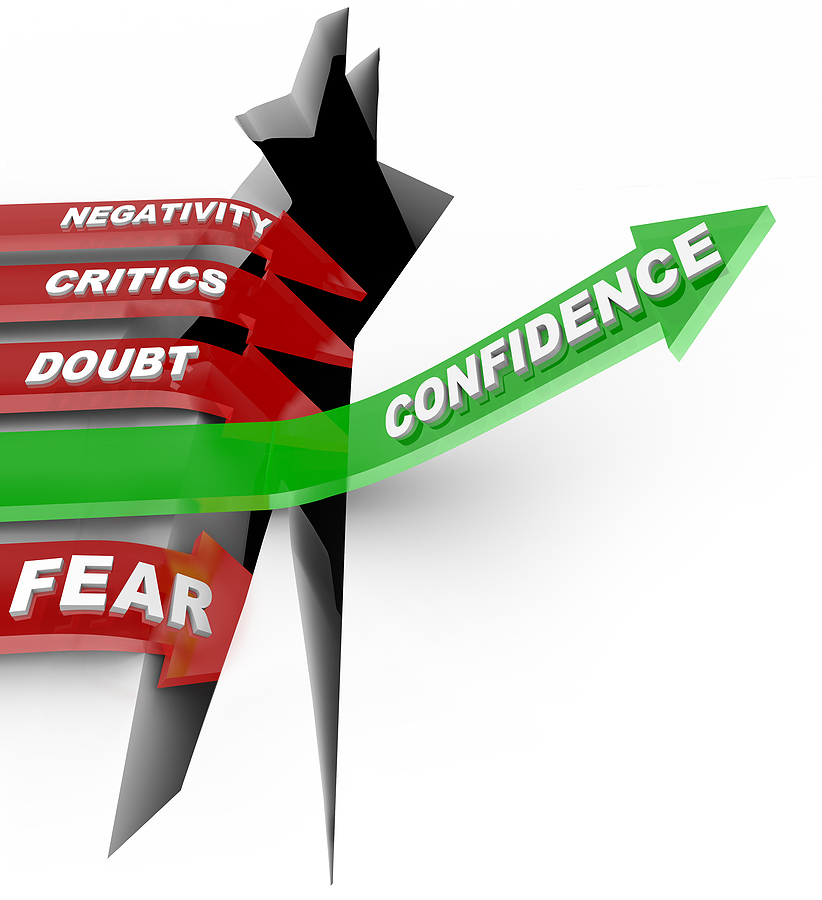
Ken Goldstein’s blog post Desperately Needed Now addresses what you can do to help your students and colleagues.  After observing the success of several business teams, he noticed some important commonalities and proposes we need to focus on three “C’s.”: Confidence, Clarity, and Connection.

Confidence – It’s difficult to feel and act confident when there are so many uncertainties. Yet this is where leadership comes to the fore.  You know what the proposed plans for the restart are.  You know what the changes are likely to be, depending on the situation with the virus. What is your plan of action?  And what’s your Plan B? Don’t doubt yourself. Accept that your first plan will inevitably need anything from tweaks to full-scale re-writes. Be certain to write your plan(s) down somewhere and keep checking it regularly, adapting as necessary.

Having a sense of direction will build your confidence.  Bring that confidence to your Zoom and in-person meetings.  Don’t try to suggest that you have all the answers, that would be arrogance.  But when you project you know what you will do and how you will work with others, your colleagues will feel reassured and look to you as a leader.

Clarity – You have all seen people in leadership roles who start talking and then bring in something that runs counter to what they just said.  Their audience is lost then either tunes them out or stops trusting them. Keep your ideas clear and simple. It’s hard for audiences (students and teachers) to stay focused in the current climate. Be ready to state your plan in another way if your audience seems confused. But keep it brief.  Encourage questions.  This will ensure that everyone – or sometimes the person you are talking to – understands your plan.

Connection – Social isolation is contrary to human nature. We can see it in the behavior of adolescents who keep violating the social distancing rules or the way we are calling friends and family more often.  Look for ways to personalize connections with others.  Use tech to send friendly visual messages. We are hard-pressed for time, but relationships need and deserve that time.  Ask about family and other non-education related topics once regular business is complete, just as you might under normal circumstances.

It sounds as though all this might add to your workload, but in the long road it will lessen it.  Your colleagues may start by leaning on you but will soon take on the behaviors they are seeing in you.  Leadership is about getting in there with people and plotting a direction.  The route to getting there is where the learning and growth happens.  The Connection you help to create will strengthen the school’s culture.  Your Clarity will help them achieve their own plans. And your Confidence will grow.  You’ll create a library that’s high touch no matter the circumstances.


ON LIBRARIES – What’s Your Plan?

Can you believe it’s the new year? Vacation has, once again, flown by, and I almost hate to say it but if you have given no thought about what the rest of the school year will bring, now is the time. Ask yourself where do you want to be at the end of the school year?  I often quote Yogi Berra’s sage advice, “If you don’t know where you are going, you are going to wind up someplace else.”  Nothing will change, certainly not for the better, unless you have a plan.

Whatever job you tackle, it should connect to your Mission Statement, your Vision, and your Philosophy.  No matter what you choose to do, it will take effort so it is a waste of your time unless it takes you where you want to go.

To begin, list your ideas.  Which are the biggest jobs?  Which are relatively easy?  And then ask the big question — Why do I want to do it? How does it connect? Don’t just pick a project you have heard of because it sounded like a good idea.  It might have been great for another school librarian and library, but it may not be the best choice for you. Before plunging in, first ask yourself, “What do I want to do?

Most Mission Statements are broad enough to give you room to go in many directions, but knowing that your plan connects to it will give it a greater focus.  For example, here is one Mission Statement.

  • The mission of the Blank School Library is to provide students with the opportunity to become not only lifelong users of information but also creators of information. The library strengthens the curriculum by collaborating with teachers, developing a collection that is representative of the community, and implementing literacy instruction for students.

The first sentence of that statement can lead to creating a Makerspace. But if you are thinking of a plan, you want to think bigger.  Perhaps your purpose for the Makerspace is to have students developing products that might help others. If creating information is part of your Mission, then how else can you use this Makerspace?

The second sentence is about developing more collaborative projects with teachers.  Are there teachers you haven’t reached as yet?  Are there subject areas that could benefit from working with you that haven’t come into the library as yet? And if a Makerspace is still what you want – which teachers would be best to contact for collaboration?

The second half of that sentence is about diversity.  Is your collection truly diverse? Does it go beyond race, ethnicity, and gender?  What percentage of the authors of your diverse titles are members of the community they are writing about? Is there a way to blend students acting as users and creators of information with diversity? That links it more tightly to your mission.

So, you know what you want in your plan. Next step—How?

Let’s return to the Makerspace. HOW can you do this? Whether you have one or want to expand an existing one, you’ll want to start by gathering information. Who is already doing this? Who is doing this with resources that match yours? Ask your PLN for help and search on topics such as project-based learning and design thinking. (I’m guessing members of the School Librarians Workshop Facebook group would offer support!).

Next, identify WHAT you will need to accomplish it.  Will it require funding?  If so, where can you get it—grants? GoFundMe?  Will you need volunteers? Can they be students? Alumni? Parents?

Knowing WHO is also an important part of the second plan–collaboration. The Who are the teachers you want to reach.  Why have they not collaborated with you before? What do they need?  How can you help with that?  How can you quickly build a relationship with them? Who will you start with? Then there are two more questions: Why? (Why this teacher?) When? (When will you reach out and share your idea?)

The third project requires a diversity audit to assess your collection. Again – How, What, Who, Why, When. Do you know anyone who has done this?  Can they send you their templates for doing this?  Who can help you in compiling it?  What are sources you use to increase the diversity of your collection.  What resources do ALA and AASL provide? When are you going to seek the initial information?  When will you begin the project?

Put all of your plans in writing.  Name the projects, list your steps, and create manageable deadlines. Whether you use a spreadsheet or a Google doc doesn’t matter.  What matters is having it recorded and making a commitment to it.

The last and a very important part of your planning is knowing what you will do with the results. How will you use it to promote your library program?

You can record the Makerspace project in photos and videos.  Capture students working on their designs, Showcase their final creations. Share with your administrators and contact local news outlets.

You should display projects from collaborations with teachers, possibly on the library’s or school’s website.  Send information to the principal on what the students achieved and commend the teachers involved.  This will eventually lead to further collaboration.

Share the results of your diversity audit with the principal.  Discuss how you plan to build a collection that will promote students’ feelings of safety and belonging in the school and beyond. Perhaps you can get a one-time funding to purchase books you have put on a list to acquire.  Again, consider grants and GoFundMe for help.  Look also into the possibility of getting speakers in for the teachers and/or students. But that’s another plan.

With a well-constructed plan, you will reach the end of the school year with a sense of accomplishment.  The important part is to get started now and let your plan guide your success.

Good luck!