How – And When – To Say No

You already have a full schedule. You are always a hairbreadth away from overwhelm. And now you have been asked to do something else. What do you do? Can you just say no?

What if the request is coming from your principal? What if it’s a teacher you are good friends with? My guess is you say, “yes,” and then you try to make it work. Maybe you stay late – and cut out some of your self-care. Yes, it cuts into family and personal time, but you had no choice. Right?

There is always a choice. It’s how you manage it that makes the difference. Something that frequently worked for me, especially with teachers, was asking, “Can we do this differently?” Then I would come up with alternate solutions. It could be anything from changing the date or time that was requested to sending a cart of books and emailing websites if my schedule was booked.

When it came to my principals, I, of course, couldn’t say no—not exactly. Instead, I would let them know that I’d be happy to accommodate them and ask for their advice regarding how to handle the shifts I would need to make to meet their requests. This lets them know that you can agree, but gets their buy-in or support for the things that will have to be dropped or changed.

There was a time I was asked by the secretary to close the library to accommodate a meeting of the athletic directors in our league could meet. I agreed and said I would contact the previously scheduled teachers to tell them they couldn’t come because of this meeting. A teacher complained to the principal. The secretary called me back “to apologize for her mistake.” She said the request was that I close a portion of the library to allow the meeting to happen. This had a double benefit. Not only had I completely acceded to my principal’s request, I also had demonstrated how connected I was to the teachers and curriculum.

As a leader, you may get requests from your state (or even national association) to take on a task. Do you want to do it? How much of your valuable time will it take? When this occurs, pause before responding and do your best to make your decision out of your purpose, priorities, and passion. If it doesn’t match up with these, say no.

In Saying No Is Better Than Saying Nothing, Shari Harley had advice for those times when “no” is the answer you want to give. She recognizes that saying no is hard. She says people often practice avoidance, ignoring the request or saying you will get back on that—and not doing it. That shows a lack of integrity and honesty in your dealings with people, something that hurts relationships.

Harley offers three options. Before exercising one of these, the first step is thanking the person for asking and saying you will give them your response in a set period of time (not too long in the future). Make sure you get back to them after you determine what your answer will be. Then you answer with one of these options:

Option One is to turn down the request but suggest someone else who might be able to do the task. Within the school, this option is rarely open to you. However, when it’s a district request or one on the state/national level, you should be able to recommend a qualified person who could do it.

Option Two is to agree but negotiate a different time. It gives you the opportunity to ask important questions such as by when does this actually have to be done. It enables you to prioritize your time in completing this new task. It may be possible to do an introductory piece and then complete the project at a later date. For example, if the teacher wants to bring in a class two days in a row, perhaps you can go to the class and do an opening to get students started and thinking, and then have them come in a day or so later to actually get to work. (Debrief them on their thinking process to begin the class.)

Option Three is to turn down the request but offer what you might be able to do instead. Ask if that would work. If not, see if you can find some substitution, but don’t change your no into a yes. You have thought the request through. You know it won’t work for you. Don’t push yourself into becoming overwhelmed.

Harley concludes with “keep your commitments.”  Whatever you said you would do, do it. You want people to trust you. Your word must have meaning.

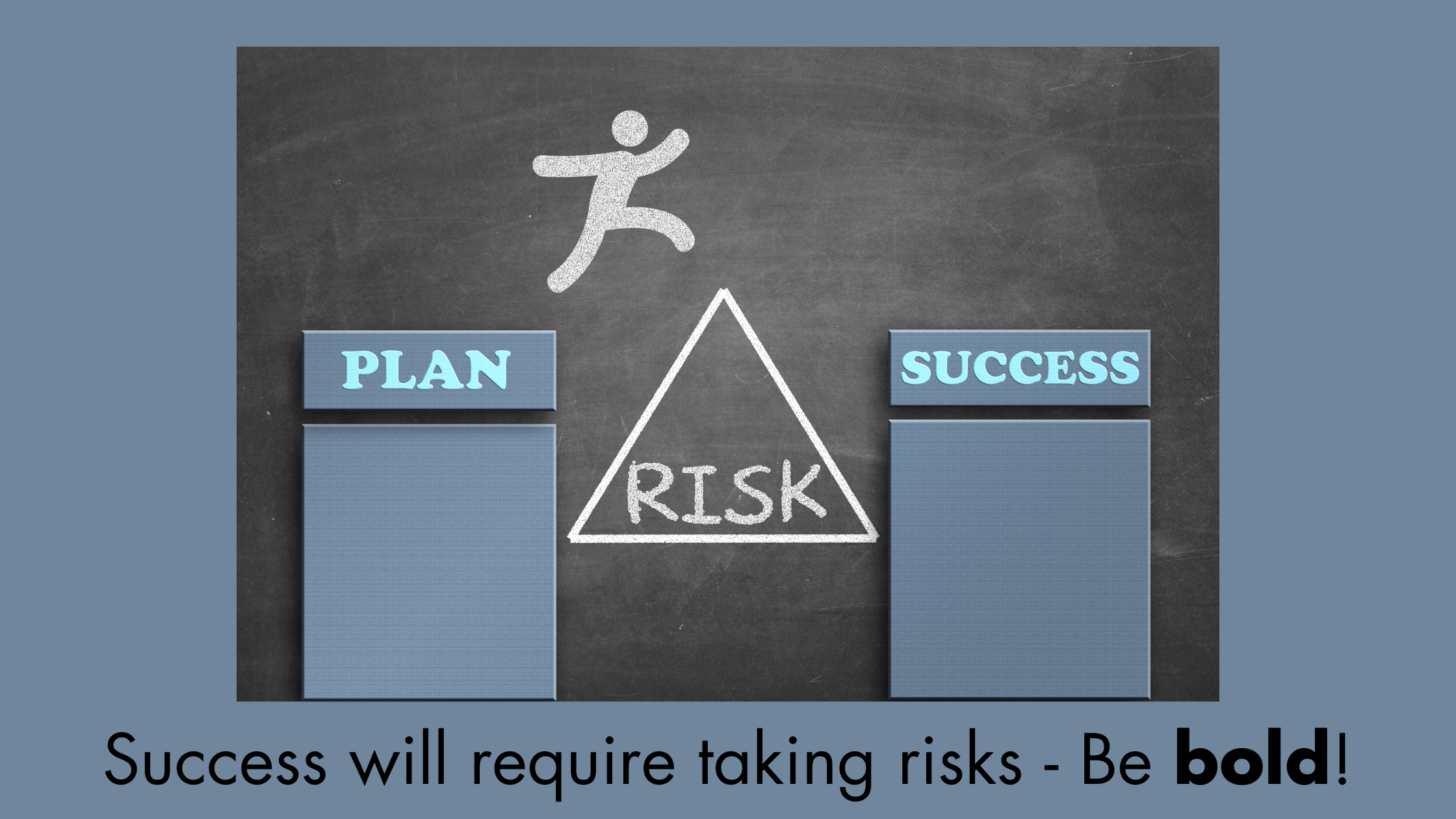
Knowing how and when to say no is a test of your leadership. Don’t answer too quickly – and always follow through.

The Power of Apology

I’m sorry. Two short words (OK—one is a contraction.), yet they carry so many different meanings. Sometimes they aren’t enough or hardly matter. Other times, they carry a heavy weight. What you say, when you say it, whether you choose to say it, and how you say it can affect your relationships and your leadership and, therefore, your success.

The offhand “sorry” comes when you accidentally bump into someone while walking or your cart hits theirs in the supermarket. You make that quick apology. The other person says, “it’s OK.” or says nothing at all. Not saying “excuse me” or “sorry” makes you rude, but in the larger scheme of things, it doesn’t matter that much.

An apology carries a deeper import if your mind wanders in a conversation, and you didn’t hear what the other party was saying. It’s embarrassing, but you both will get past that quickly as long as you don’t drift off repeatedly. Avoiding the “sorry” can cause a bump in a relationship if you try to fake it and get caught.

Apologies become more significant when you have made a big mistake, such as forgetting a meeting, failing to follow-through on something you promised you would do, or saying something that revealed your implicit bias. Do you acknowledge your error? Try to minimize it? Hope it won’t be noticed? What should a leader do?

Niki Jorgensen discusses The Emotionally Intelligent Way to Apologize for a Mistake at Work. She says to be effective you need to choose your words and the correct time to make an apology. Your body language when making it also contributes to its effectiveness.

Jorgensen describes two things you should consider before making an apology:

Is an apology necessary? How to Decide – Don’t automatically rush into a long apology before taking the time to stop and think. How significant was your mistake? If you always apologize profusely, this detracts from what you say when your error was significant.

Observe the body language of the other person. Are they upset? That may provide an indication of the seriousness of your error and the impact it may have on your relationship. This is particularly true when what you said revealed your implicit bias. You need to apologize as soon as you become aware of your mistake. We all have these biases. What is important is that we recognize them when they appear and acknowledge them.

How to apologize professionally Jorgensen says to “evaluate the reasons behind the incident, the impacts on others and ways to prevent similar mistakes moving forward.” Apologizing in private is important and is more likely to  allow an open interchange. Avoid the temptation to get it all out quickly.

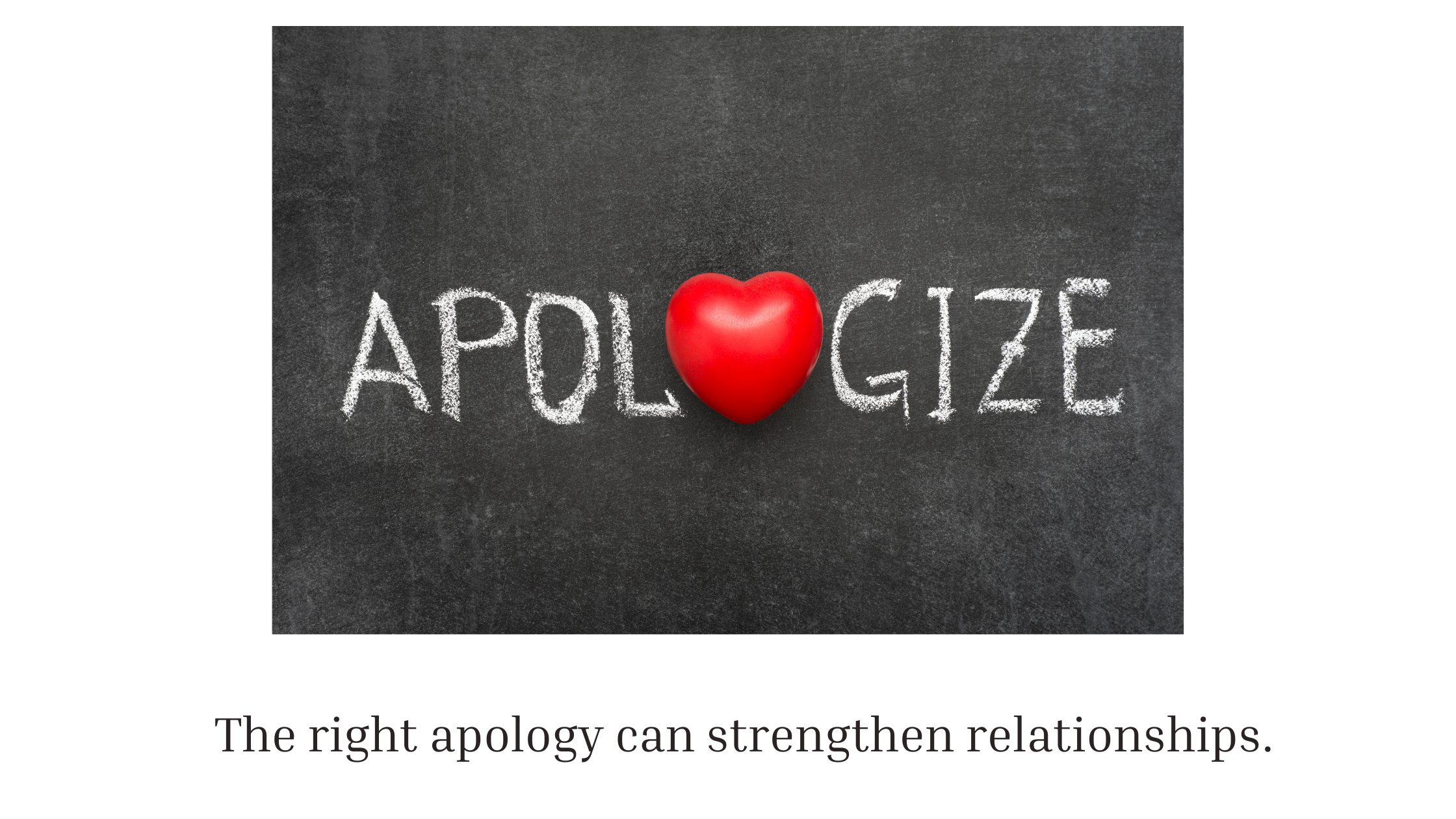
Apologizing is usually uncomfortable, but you also need to show you are listening to the other person’s response – and watching their body language. While you may be the one apologizing, it is an important opportunity to listen more than talk. When you acknowledge and take responsibility for your mistake, you strengthen the bonds of trust necessary in building and deepening a relationship.

To be recognized as a leader you must have integrity. Embarrassing as it can be, apologies made – or not made – reveal the person and leader you are. Take the time to acknowledge the error, whether big or small, and give the situation and person the right apology.

Fight The Fear Factor

The past two weeks my blogs have centered on you getting in front of an audience. As a leader, this will be necessary to get your face and your program out there. Yet many school librarians shy away from doing this other than with the smallest possible group. They know the value but find a host of reasons not to step into the limelight. The most obvious reason is fear.

Fear holds us back, and we can’t afford to let that happen.

Public speaking is a fear more common than death. Also known as “stage fright,” it is one of the most common fears. The phrase refers to performers, but it is, in essence, what we are all doing when we step in front of a group. Actors get past it or they wouldn’t have careers. You need to do the same because if you hide your light under a bucket, you will not be seen. If you are not seen, you will not be valued. And if you are not valued, you and your position are likely to be eliminated.

Terri Klass has sound advice on How to Stop Fear from Paralyzing Your Leadership. In presenting her five recommendations, she notes this fear can pop up at any point of your career, especially as the audiences get larger or feel more important. Each time you step onto a larger stage, there is the chance it might emerge. With these steps in mind, hopefully, you will be able to conquer it when it does.

  1. Name the Fear – Klass encourages you to identify the physical responses you are having. Can you recognize what is causing it? Notice and name your reactions (rapid heart, sweaty palms), and what they go with (not being sure you have the answer, wondering if anyone will listen to you, etc.) Recognizing that this is fear “talking” is an important first step.
  2. Share the Fear with a Trusted Advisor – Talking out the fear puts it into perspective. A fellow librarian or a friend (or both) makes a good listening ear. As you speak about the fear you just named, you are better able to see how inaccurate your fears are. If you don’t have someone to share it with, talk to yourself. Out loud. It’s hearing it that makes you aware of how much of the scenario you imagined is improbable and just some chemical reactions in your body.
  3. Try on a New Perspective – Klass has an imaginative idea here – think of someone who inspires you, and imagine them guiding you through this fear. How would they approach this situation? What attitude would they present? What would they say to you to encourage you? Can’t think of a person – Klass suggests you think of an animal. Imagine embodying the power of a wolf, the majesty of lion. It’s the perspective change that will help you manage the fear.
  4. Give It a Meaningful Good-bye – Look that fear in the eye and let it know you are done with it. Klass suggests writing down your good-bye and putting it away somewhere or speaking it into a mirror. Rather than putting away that fear, you can also burn it. There is a kind of satisfaction in seeing it go up in smoke. Gone forever.
  5. Commit to the New and Inspiring Leader – What are you going to do going forward? How do you want to be? Look at the presentation you made after having conquered your fear. How did it go? Remind yourself of this the next time you move onto a larger stage. Talk to yourself as you would to a friend who is beginning to shine more brightly.

I can remember reading Frank Herbert’s Dune shortly after it was published. A line from it has stuck with me forever, “Fear is the little death…. I will face my fear. I will permit it to pass over me and through me.” Each time we step out of our comfort zones, fear will be waiting. Don’t let it keep you from being the leader you were meant to be.

Dress for Success

Last week I blogged on Leading a Great Meeting. Giving a successful presentation can be part of this. As you continue your leadership journey, it is likely you will give more presentations and each one puts your leadership on display.

At first, your audience is the people you work with, whether it’s a lesson you are delivering, speaking to grade, or working with subject level teachers. Over time, your audience will grow, and you won’t know everyone in attendance. Beyond the 5 “P’s” from last week’s blog (to ensure the content, structure, and format will be powerful), you need to look professional. Like it or not, as soon as we step up to make the presentation, the audience will judge us.

Participants make assessments about our knowledge even before we speak. How can we have our audience see us in the best possible light? Although it may sound superficial, dress makes a statement that sets the tone for how we and our message are perceived.

If this is something you’re unsure about, Nick Morgan offers these five tips in What Should a Speaker Wear in 2023?:

  1. Dress slightly better than the audience – If you have ever attended a conference, you may have observed the vendor representatives dress better than attendees. They are making a sales pitch and are dressing to show competence. So are you when you make a presentation.
  2. Dress to fulfill your brand – This is a bit tricky, and you may not want to concern yourself about this tip. The last thing you want to look like is the stereotypical librarian. Think about your audience, what they might expect, and what might make the strongest impression. For example, if your expertise is around building advocates, an appropriate pin might work.
  3. Dress to feel wonderful – Wearing a great outfit changes how we feel and, by extension, how we present ourselves. Select clothes that are not only appropriate but that make you feel terrific and you will send a more upbeat and approachable vibe. Remember to be aware of your surroundings. If you are presenting on a large platform, Stone cautions you to consider whether the lights might make an article of clothing more transparent.
  4. Dress to look good against the backdrop –If possible, find out in advance what you will be standing in front of. If it’s a black background, you don’t want to be wearing black. And if you’re working in front of a green screen for some reason… remember not to wear green! Also remember, many presentations are recorded. When people are watching that later, you want them to be able to see you.
  5. Dress for the moment – After so many Zoom meetings where everyone became more casual in their dress, Stone believes there will be a move toward elegance. Whether or not that prediction is correct, this is a great time to wear a presentation piece of jewelry if you are a woman (not distracting but noticeable) or a bold tie if you are a man. Enjoy the chance to stand out.

My own recommendation is to take this in the spirit of fun. You want to be bringing new possibilities to the audience. If you choose your presentation wardrobe as an exciting part or to reflect you, your joy in the moment will be communicated. Making presentations can be out of your comfort zone. Dressing in a way that makes you feel comfortable and empowered can be a great first step when taking this leadership move.

Leading a Great Meeting

Did the title confuse you? Are you thinking, “Why do I need to know this? I don’t lead meetings. I go to them?” That might seem true, but you may be leading more meetings than you are aware of. Or are you thinking, “There’s no such thing as a great meeting?” That, sadly, is true all too often, but you can set a different tone.

The first thing to keep in mind is not every meeting is called a “meeting.” Do you have a training session for library volunteers? Perhaps you do a 10-minute talk for a grade level when they come into your library or a subject area review. In many aspects, these are meetings and how your deliver them is important. The more focused you are, the more impact you will have, and the more you will be seen as a leader in your community.

Even if you don’t do any of the above, you attend meetings. Are you aware that there’s a way of leading from the middle? I do it all the time. It is also a great way to get your feet wet as a leader on a larger stage.

Lolly Daskal proposes 5 “P’s” in explaining How to Lead More Effective Meetings and Get Better Results. When you are leading from the middle, these P’s will help you recognize why a meeting goes well or poorly. You can also use them to quietly steer that meeting in a more productive direction.

Here are the 5 P’s to keep in mind:

Purpose – What’s the agenda? How many faculty meetings have you attended where the agenda is “This is our time for a faculty meeting”? Remember Purpose = Mission. In other words, it is what drives what is to happen. Everyone should know this in advance. If you are leading the faculty meeting from the middle, restate what seems to be the purpose. Be succinct. Ask it as a clarifying question.

When actually leading a meeting, be sure to inform all attendees of the purpose and do your best to send the agenda well in advance. Ask for any additions. When the meeting starts everyone will be prepared, but you should also restate the purpose as you begin.

Preparation –When leading from the middle, take time to review the agenda in advance . If one isn’t sent, try to anticipate the topics most likely to be raised. What do you have to contribute? Do remember that at most faculty meetings, the dominating purpose of attendees is to get out fast, so be succinct and don’t talk too often.

You would never be unprepared for a meeting you lead, but knowing the content of what you want to present is not enough. Think of why it is important for those coming. What should they do as a result? Also, where might you expect pushback? If so, how will you manage it? Knowing how people feel about meetings, consider Daskal’s question, “Is this meeting necessary?” You might be able to handle it another way.

People – Who is coming? Are they the ones who should be there? Obviously, in a faculty meeting, the principal wants everyone there, but is that why people tune out during parts (or all) of it?

Knowing who to invite is particularly important if you are setting up a library advisory board. In this climate, having one is an important source of strength and builds advocates. You want a broad cross-section but not an unwieldy board. Community members, business owners, parents, teachers, and students are all potential members, but which ones will best serve your purpose?

Process – Daskal advises thinking of the “specifics of how things will get done.” In the faculty meeting you are attending, does the principal make clear what is to follow as a result of the meeting? Are there any tasks to get done? Is there a date when they are do? When appropriate, ask for clarity to help you and the rest of the faculty.

When you are leading, follow Daskal’s advice about keeping track of what is discussed. Send it to all attendees afterwards. Be clear who has taken on what task. Where will they report on it? If you are using Google Docs or some other format, be sure all attendees know how to access and use the technology. Not everyone does.

Progress – All too often, there is no connection from one faculty meeting to the next. If there were any accomplishments or changes, they are not presented. Whatever the original purpose, if there was one has been totally lost. Completion needs celebration.

For your meetings, find ways to celebrate and acknowledge what was achieved. Give credit to participants – and don’t take credit for yourself. Your work will be recognized by others, and those who get credit will be willing to work with you in the future.

Although not a “P,” Daskal says in conclusion, “Lead from Within.”  I completely agree. Trust yourself and your knowledge.

Giving Effective Feedback

Two weeks ago, I blogged on When Feedback Hurts. We have all experienced those painful moments (they can be the hardest to forget, unfortunately). As a leader, we recognize that receiving feedback is important if we are to grow, but we also need to consider how we give feedback to others.

We may not always be aware of all the instances we give feedback. It is worthwhile to notice the comments and criticism we offer. A teacher is late bringing in his class. You note the lateness, and unbeknown to you, he is thinking you don’t understand what is involved in getting this group organized and ready to go to the library. With this negative feedback, will he be as willing to schedule his class in the future? Will he be open to collaboration?

The IT department has not responded to your request to address an issue. You are justifiably frustrated and send an email, copying the principal, saying the delay is affecting student learning. Do you think the IT department will be more or less responsive to your next request?

You give feedback to students all the time. Perhaps a group is supposed to be working on a project and is obviously more interested in socializing. You tell them it’s time they settled down and got back to work. Are they now more or less engaged?

It’s not that these issues shouldn’t or can’t be addressed, but words count and so does the delivery. Consider these alternate approaches:

  • If you said to the teacher, “Let me get them started. You can probably use a breather after getting the kids here today,” the teacher will feel taken care of, not criticized. You’ve let him know you’re aware of the challenges he faces. And he’s more likely to start the process of getting his class organized earlier so they’re not late in the future.
  • If you sent the IT department a message (not including the principal) and said, “Help! I really need you. I appreciate how very busy you are, but I hope you can make this a priority,” their response is likely to be far different from that annoyed email where they were embarrassed in front of a superior. And you’ve shown you understand their workload.
  • If you said to the students, “Now that you have completed the preliminaries, where are you planning to go next?” Because they need to respond, they are more likely to focus on the task and start working.

While it’s important to let people know you’ve noticed them doing something that doesn’t work, there are ways to move from that information toward something that is helpful to you, them, and the relationship you want to have with them going forward.

Be SpecificThis allows people to be focused. You can tell the teacher in advance what the class will be doing, which can support them all to arrive prepared. The IT department will appreciate as much specificity as possible. Telling them it’s important to you, doesn’t make it important to them. Let them know how their work will have an impact. Your next question with students should direct them on how to start.

Be Timely –The more immediacy you bring to giving the feedback the better it will be. The teacher knows he is late. The IT department is buried in requests for tickets and doesn’t usually think yours is special. The kids are going to have fun until you show them there is fun in the task. Once you’ve pointed out the situation, move on.

Be Prescriptive – What can they do to improve and how can you help? Once the class is going, ask the teacher if he could use a brief reminder early in the day about the impending visit. Ask the IT department how they determine priorities and if there’s anything they need from you in the future, since your request affects so many students. Tell the students you are looking forward to seeing whatever it is they are to do next (a reminder here to be specific).

Be Encouraging – Let the teacher know you recognize the challenge of getting kids to the library as scheduled and are glad to help. Assure the IT department you are aware of their workload and appreciate all they do. Tell students the project is challenging, and you are looking forward to seeing their creative solutions. And the second part of this is to recognize changes. When the teacher arrives on time, say you appreciate what it took to get this done. Thank the IT Department every time they are responsive. (This is the time to copy the principal.) And, if possible, make a positive specific comment to the students when you see what they have accomplished at the end of the period.

So often (maybe even more often) it’s the little things that count. Leadership is not just huge projects with big outcomes. It’s what you do every day to encourage, support and work with the people around you.

Fielding Tough Questions

We live in a confrontational, polarized world. Tough questions—and charges—are a part of it. If you are a leader, chances are someone is going to challenge you. It happens to every president, CEO, director and head coach. Even if you don’t think of yourself as a leader, people know you lead the library. If someone has an issue related to the library, you are going to be challenged. What you do next defines you as a leader.

A story I have told before occurred when I took a new position in a school and a teacher came storming into the library and started haranguing my clerk. I came over immediately, indicating if there was a problem, the responsibility was mine, not the clerk’s. It was in the early days of automation, and the practice had been to use teachers’ social security numbers for their barcodes. The teacher was opposed to this. I listened to what she said and apologized for not being aware of the policy. It was my library, and I was responsible. I told her would return all her books, issue a new barcode for her, and re-check out the books to her. At the end of the school year, we changed all teacher barcodes.

What worked when I was challenged? I listened without getting defensive or arguing that I wasn’t the one who put the practice in place. I came up with a satisfactory solution. The result – she became one of my strongest library advocates.

The tough questions are getting tougher, the challenges louder and more fierce. To help us be prepared, Allison Shapira has some answers for you When a Tough Question Puts You on the Spot. Here are her four points.

  1. Prepare in Advance–You can expect to have questions and accusations directed at you for books in your collection and displays in your library. Don’t be caught off guard. Be familiar with the Library Bill of Rights and be able to quote key sections. (You might keep a copy on hand). Have a Selection and Reconsideration Policy in place. This ALA toolkit will get you started if you don’t have one yet.
  2. Pause and Breathe–Being confronted is scary. Your body goes into fight, freeze, flight response. While it is trying to protect you, the process shuts off your cerebral cortex–the part of you that thinks. Allow yourself a moment to respond and get your (hopefully) pre-planned response into action.
  3. Express Sympathy and Honesty–This is what I did with that teacher. When a parent comes to you with a challenge, acknowledge their awareness and their concern. Explain how you don’t seek to override their decisions for their child. Once things have stopped escalating, explain that other parents have the right for their children to have access to those subjects.
  4. Acknowledge the Uncertainty–This is often at the root of challenges and frustrations, rather than true animosity. A teacher is angry and wants to know why the material they requested for inclusion in the library last year is still unavailable. A principal wants more data on the impact of your Makerspace and you hadn’t thought of that before. Be honest about your lack of knowledge, assure them you will look into the matter when possible, and give them a date by which you’ll have an answer.

In some of these confrontations, you need to take a stand and that can be difficult. Shapira recommends you use this PREP framework:

  • Point: State one main point.
  • Reason: Provide a reason behind it.
  • Example: Give an example that supports your point.
  • Point: Before you start rambling, re-state your main point.

You will have to face tough questions and never know when. As with any other aspect of leadership, planning is key. Knowing what you will say when it happens will put you in the best position to handle the challenge and help you trust yourself in difficult, emotional situations.

When Feedback Hurts

We know feedback is important, but when it’s negative, no matter how kindly it’s said and even if we know it isn’t intended as criticism… it hurts. Knowing where and when something isn’t working is the only way to make changes. Positive feedback feels good but doesn’t suggest any way to improve. We have to find a way to hear the negative so that we can use it.

There are occasions when we have to seek out the negative. For example, when you collaborate with a teacher and look for feedback on the lesson, asking “What did you think of it?,” chances are you will only give you platitudes. (“It was fine.” “The kids liked it.”) Asking, “What could I have done better?” “What didn’t work well?” will give you the truth. Great. Feedback you can use to improve. In these cases, you are prepared for the comments and can handle them (even if you don’t like them).

It’s harder, however, to handle feedback when you didn’t seek it. Your principal makes some negative comments about your classroom management techniques. A teacher says your attempt at using an old book to create art could use a lot of work. How do you handle it? Criticism and feedback are two sides of the same coin. Yes, the teacher comment was negative, but the point was still there. It’s your choice how to receive – and respond to it. What do you do?

Mary Kelly offers these 5 Tips to Help You Take Feedback the Right Way.

Choose to see feedback as an opportunity – Kelly says to reframe it as a positive. Not always an easy thing to do, but chances are you can find the kernel of truth in what was said. When you do, ask yourself what can you learn from it? Can you make the change on your own or is there someone who could help you do better at whatever it was? If so, this feedback could not only improve your project, but lead to additional collaboration which is a good thing.

Remember you have only your perspective – This is good to keep in mind with any difficult conversation. You don’t know what preceded the comment. People are struggling with any number of challenging and stressful situations in their lives. They could have just had an argument with someone and are still in a bad mood.

It is also worth considering your perspective. What has your day been like? If a number of little things have gone wrong, you are apt to respond more strongly and for the words to sting. We bring who and where we are to every conversation and overlook that the other person is doing the same.

Pause – And breathe. This is one of the best pieces of advice for many situations. That small moment of time allows you to reframe and think about differing perspectives. It will keep you from going on the defensive – or in some cases going on the offensive. Either response is likely to have a negative effect on the relationships you continually try to build. Taking the pause can lead to better understanding and stronger relationships going forward.

Objectively reframe your response – Kelly says how we react to criticism is a habit. This means we can learn to do it well. The truth is, we will experience it a number of times on the job – and in our personal lives. Learning better responses can improve things in a number of areas.

Think about the points the person raised. Can you see the validity of any of them? Start there. Kelly asks you to consider that you were misunderstood. It’s also possible that you misunderstood what the other person said. Seeking clarity, when necessary, can be helpful

Be kind to yourself, but do not wallow in self-pity – Always take the time to recognize your emotions. Yes, it hurt, and that reminds you that the work you’re doing matters to you, but don’t let the feedback – or criticism—be a reason to beat yourself up. We are all human. We make mistakes. We will never be perfect. If we want to keep improving, we need to be open to handling negative feedback.

Learning how to handle negative feedback is an important skill to master. It makes you a better leader because when people see they can tell you the difficult things, they trust you more. The next step? Remembering this process when you give feedback to others.

Resolutions that Work

The new year has begun. Did you make a resolution, or did you not bother because you never stick to them? In December. I blogged about Gratitude, Reflections, and Resolutions, but the holiday season was imminent. You may not have had the time to make those resolutions or reflect on the past year. Good news – there’s no reason you can’t do it now.

Why am I making such a point about resolutions? It’s because I am a strong believer in goals that get you to where you want to go. I often quote the famous “philosopher” Yogi Berra’s who said, “If you don’t know where you are going, you will wind up someplace else.” Too many people finish the year “someplace else.”

I have embraced the AASL Vision, “Every school librarian is a leader; every learner has a school librarian.” For me, this translates into writing and curating ideas and resources to give school librarians techniques and tools to build their leadership. It means I learn as much as I can about new trends as well as challenges so that I can better advocate for librarians with people I meet, making them more aware and, if they aren’t already, making them supporters of school libraries. This is always the focus of the professional goals I set for the year.

In How to Have a Good Year, David Bigman has the following suggestions for making resolutions you actually keep:

Set Better Goals- Having big goals is great, “but boil it down to something really practical that you can measure yourself or notice yourself doing every day, every week, but something that’s tangible.” The vision I embraced is huge. But my weekly goals include finding topics and writing my weekly blog, working on the second edition of Leading for School Librarians, and teaching pre-service school librarians.

Bigman’s blog post cautions against setting too many goals, recommending one professional and one personal goal. Although I have 3 professional ones, they have been ingrained as habits for me. My personal goal is about walking which improves my mindset and my physical well-being.

Acknowledge Tensions – Life is stressful. List the tension areas in your life both professional and personal. The bad news is they won’t go away. You have heard of another “philosopher,” Roseanne Roseannadanna (played by the amazing Gilda Radner) from the original cast Saturday Night Live, who said, “If it’s not one thing, it’s another.”

To deal with the tensions on your list, reflect on how severely each impacts your life. What can you do to ease them slightly? Where can you get support? You won’t eliminate them but getting a handle on them will help you stop beating yourself up about not being able to manage them better or get everything done.

Connect with Others – The pandemic showed us how much humans need social contact to thive. Make sure you plug this into your weekly actions. I have lunch with a friend once a month. I have scheduled calls with relatives so that I don’t allow my tasks to cause me to neglect what is so important to my mental health.

Your PLN is also important. School librarians are lonely. Yes, they interact with the whole school population, but no one in the building truly understands the scope and demands of the job. Get a mentor or be a mentor. Serve on your state’s school library association. It will enrich you on many levels. And take time to share your goals and resolutions with peers and friends – you never know where support can come from.

Focus on Certainties – There are so many uncertainties in our life and worrying about them adds to our tensions. Instead, consider the certainties you deal with. There is a certain rhythm to the school year and predictable deadlines. These can help calm us in rougher times.

By managing the certainties as efficiently as possible, you can ease tensions which makes it easier to handle those uncertainties. As the blog notes, “This will really help you do your clearest best thinking about the things that are uncertain and are nebulous and hard to wrap your arms around.”

Retake Some Time – Try doing a time audit. How much time are you taking for your various professional and personal tasks? Do they really need that much? How can you cut back on some so that you can give more time to your priorities?

If you set a time limit for going through email, you might find you can get it done faster and just as well. Do you really have to stay as late as usual or on as many days? Leaving early at least one day a week could strengthen your relationships outside of work and give you needed mental break. Finding places to reduce the time you invest in a task makes you calmer and feeling more successful.

So where do you want to be next January? The “resolutions” or goal you set today are the best way to help you get there. From my resolutions to yours – I’m wishing you a great year!

Opening a New Door

Happy New Year! I’ve got a tough question for you – is it time for a new position?

Last week I blogged on Gratitude, Reflections, & Resolutions. In reaching your resolutions, you identified what you don’t want in your life and what you do want. Some of you may have faced an uncomfortable realization. What you don’t want in your life is what your job in your district has become, and what you do want is to be in a school where you have the opportunity to grow and be all you can be.

In the last few years, being a librarian has become more stressful, and you all have been stretching and leading as you do whatever you can to make the library essential to teachers and students. In some places that hasn’t been enough. The administration thwarts every idea you have and gives you more tasks far removed from your Mission and Vision.

If this is your situation, it is time to consider an exit strategy. That’s a scary thought. Naturally, adages such as, “better the devil you know” and “out of the frying pan into the fire” jump into your head. On the other hand, remember your two lists from last week. To decide if it’s time to “read the handwriting on the wall”, ask yourself, “Is there any chance the situation will improve?” If not, recognize the cost of continuing where you are. It is likely your relationships with your family will suffer, you’ll face each day with dread, and the joy you once had in being a librarian will be gone.

When I was in a situation with a horrible principal, my saving grace was a very supportive superintendent of schools. When she announced she was retiring, I got busy job hunting. I knew eventually this principal would become superintendent. My prediction proved true, but by then I was happily in a new district where I had more opportunities to take a good library program and make it better. All I lost after 22 years in the district was my sick days.

Consider these steps to make this change as successful as possible:

Planning to Leave – Update your resume. Prepare an e-portfolio of your accomplishments. Quietly let any vendors who visit your library know you are job hunting. They often hear about potential openings first. Check your state library association job board. Check in with your peers -and me – on the School Librarians Workshop Facebook group.

Zeroing in on Your Target – When you learn of a possible position, research the district. Does the school’s website match their stated Mission? They may say academics are important but do they only show pictures of athletic success? Check the library’s webpage. Use social media to learn about the administrators. What can you learn about their budget? Call the librarian and talk to them in advance of the interview.

Preparing for the Interview – Check websites such as Elementary Librarian Interview Questions or the School Librarian Interview Guide. Prepare a list of your questions for the interviewer(s). Remember – you’re interviewing them, too. Ask what they like best about the library currently and what they would like to see in the future. Their answers will tell you how much they know about the library.

Acing the Interview – If possible, take a test drive to the location so that you’re comfortable with the drive. On the day of the interview, arrive early. Dress nicely but comfortably. Shake hands with the interviewer(s). Position your seat to give you the best possible view of them. (This also gives you time to calm yourself.)  Pause before answering questions and ask for any clarifications you need. Listen for what they are saying and not saying. Make sure you have a chance to see the library and look around. What messages is it sending? During the interview, never criticize your current school. Focus on the positives of the one you hope to get. You might say you want an opportunity to work in a forward-looking district.

After the Interview – As soon as possible follow up with a thank you message to the interviewer(s). Email is fine, but handwritten ones are better. Be sure you have the correct spelling of names.  Chris Littlefield details the steps in How to Write a Thank You Email After an Interview. Some highlights are:

  • Referencing something said that was of significance.
  • Reminding them of your interest in the position.
  • Keeping it brief. Don’t add too much detail.
  • Making sure there are no typos, and the grammar is correct.

In closing, note you are looking forward to hearing from them. The value of the thank you message, as Littlefield explains, is that it helps you stand out from the crowd. You remind the interviews of who you are and what you said. It shows your people and communication skills.

Leaders take risks. Sometimes the risk is knowing when to leave and find something new. Whatever your new year brings, I wish you a great one!