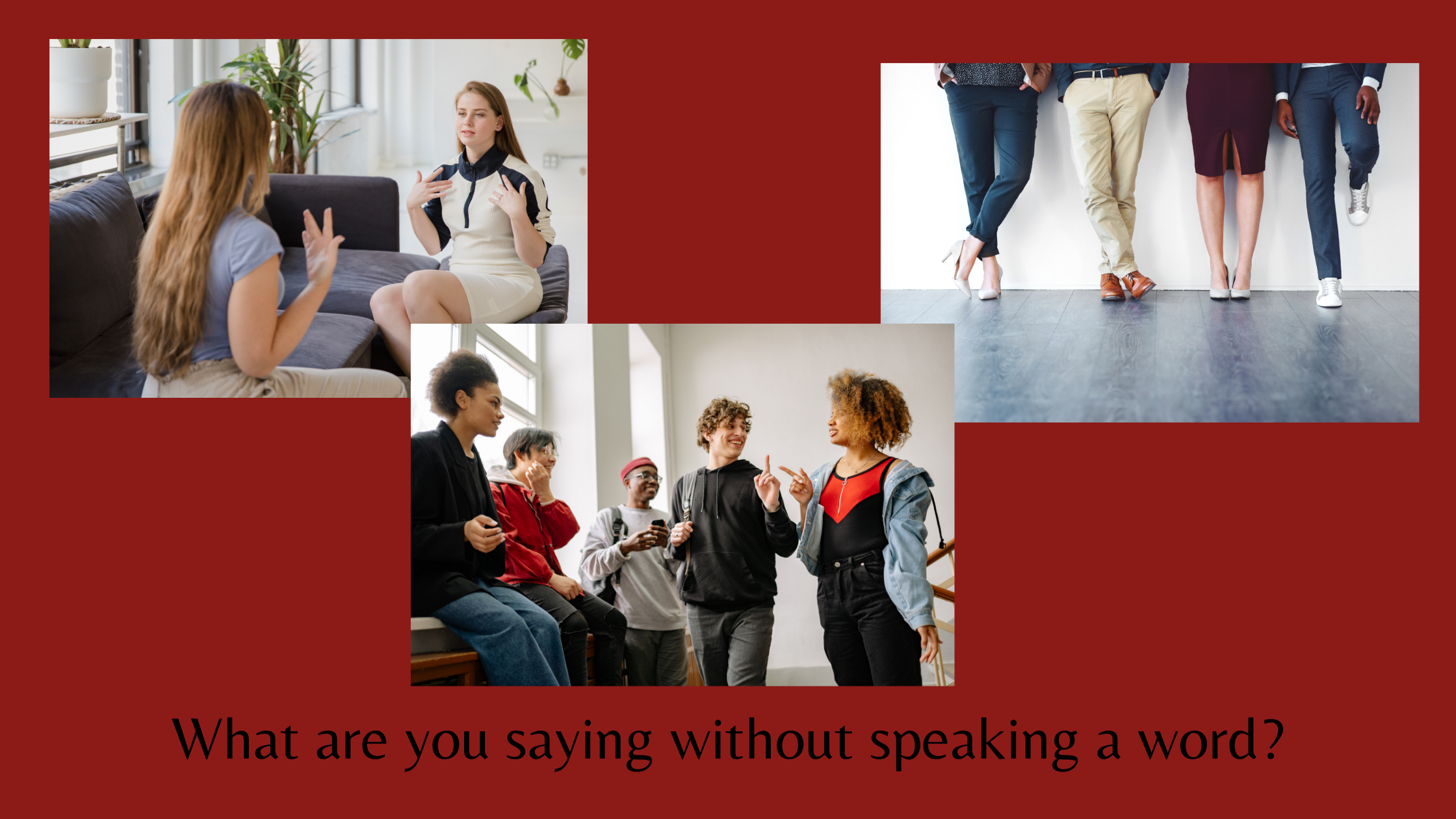
We are in constant communication. When alone, we communicate with ourselves by what we’re thinking, whether it’s a negative assessment, a positive mindset reframing, or a review of what is next on our to-do list. But non-verbal communication happens as we interact with others. And all the time.
A teacher greets you in the hall. At a barely conscious level, you access your history with them. Do you have a good working relationship? Is there one you are trying to establish? Have they been resistant to your previous outreaches? You also note how they look. Upbeat and happy? Tired? Annoyed?
While you are receiving this non-verbal message, the teacher is receiving your non-verbal message. Do you know what your body is saying? All of this occurs mostly without conscious thought, but that doesn’t make it less impactful. And when you begin talking, these non-verbal messages affect the response you are likely to get.
As a leader, it’s important to be aware of how and what you communicate. I wrote about the many types and ways we communicate in my book, The Art of Communication: A Librarian’s Guide for Successful Leadership, Collaboration, and Advocacy (Libraries Unlimited, 2022) (currently less expensive in print than in Kindle!). I addressed our library world, of course, but the business world is also discussing the importance of understanding the many channels of communication we use.
Cheryl Robinson tackles the topic in her article, “What Your Body Language Says About Your Leadership Impact.” She notes, “Research underscores that body language has a greater influence on perception than verbal language alone. Positive, consistent body language reinforces trust and authority, while incongruent or negative cues may lead to misinterpretation or distrust.” Robinson goes on to detail how and what you are communicating.
Key Elements of Leadership Body Language
- Body Movement – How are you sitting and standing? Fidgeting doesn’t send a leadership message. Sit up. Hands relaxed. A meeting with your principal or an upset parent is the most likely time to stay aware of this.
- Posture – Shoulders back. Don’t slouch. It sounds obvious, but if you are not conscious of where your body is in space, you may he hunched over or low in a chair without realizing it.
- Facial Expressions – Looking interested is important, but don’t overdue do it. Be animated, but not false. Faking it can be seen and negatively interpreted.
- Space/Distance – Each of us occupies a physical space that extends beyond our body based on our size and culture. Too near is intimidating. Too far shows disinterest. Be aware of what you are doing and the (dis)comfort of those around you.
- Gestures and Eye Contact – Open gestures are inviting, but too much gesturing is distracting, taking away from your message. You’ll seem frenetic and anxious. Maintaining eye contact shows trust and confidence (although be aware of cultures that consider it intrusive). Smiling genuinely is always positive.
I’d also add to this list: Listen attentively. Pausing before responding shows you paid attention to what was said.
Think of the best leaders you know. What do they project? How do they do it? Robinson states, “Maintaining a strong yet inviting presence is essential to conveying leadership effectively.” As leaders and librarians, we are in the relationship business. Being aware of what we are communicating enhances our ability to build these relationships. Know what messages you are sending and become a more effective and connected leader.
 Hilda K. Weisburg