ON LIBRARIES: The Art of Communication

the-art-of-communucationI often say “We are in the relationship business” What goes along with this is without communication you can’t develop a relationship.  That shouldn’t be a challenge.  After all, we are always communicating, aren’t we?  Not necessarily the message we want.

Communication has three distinct elements:

  • the sender,
  • the message, and
  • the receiver.

If you remember the game of telephone you played as a kid, messages can easily become distorted, and in real life that distortion can occur within any of these three elements. In order to communicate effectively you need to be aware of how this happens and what you can do to prevent it. It is your responsibility to make sure the message is sent on a “clear channel.”Vector businessman online communicatiion connection business

Assume you are the sender.  Before you do anything you need to identify your receiver, your audience.  Is it your principal?  A teacher?  A parent?  Next you must consider what your message is.  Are you reporting something to your principal?  Offering help to a teacher? Responding to a parent query?

To be sure your message will not be garbled as it is received you must be sure it is in language the receiver understands.  Educators have jargon they use so frequently they are not always aware they are using it.  Scaffolding and differentiated instruction are quite specific terms for educators, but would parents understand them? Librarians have their own jargon as well.  We talk about information literacy and digital citizenship and don’t stop to think that not even our principals or teachers fully understand what we mean.

In communicating, it’s important you don’t make assumptions.  You might say, “Our teaching of information literacy ensures students are able to identify their need for information, locate relevant facts, evaluate them, and use them to communicate effectively.”  In essence you included the definition without either insulting someone who knows what it means or using a term they didn’t understand.

illusionYour next challenge is to select the right medium for the message. In the previous century, your choices were limited.  Do you want to talk to the receiver (in person or the telephone) or write to them (memo, report, or letter)? Today you have an array of options. To some extent it depends on what the message is, but there is a further consideration.  What is the users preferred source of communication?

If your principal wants e-mails, use that.  If he or she is a technophobe (getting rarer) schedule a meeting. Do the parents in your school use Twitter?  If they don’t it’s not a good medium for communicating with them. Do they go to your library website, your blog, or only like the print or emailed newsletters?  You need to take your message to where they are.

Besides language, the structure of the message is critical.  When you are tweeting you are limited to 140 characters. Conversations, emails, and memos have not such limit. It must be self-imposed.  Most of you are aware that text messages need to be fairly short and emails should also be brief.  If they are too long people skip some of the last part of the message. I work to keep these blog posts to a specific length and no longer, knowing they are being read on devices more than computer screen.

What isn’t as well recognized is how to craft a message, oral or written, to an administrator, and this works for others as well. We have a tendency to provide “background” so the receiver knows we are well versed in the topic and have done research, when appropriate, to be certain that what we are proposing is the best course of action. By the time the recipient gets your point, they have become lost in the verbiage.

As journalists have always known, “Don’t bury the headline.”  Lead with it. Give one or two supporting statements.  Particularly if the message is directed to your administrator let him or her know that if more information is needed, you will be glad to provide it. The same is true if you have a face-to-face meeting. Start with what you are seeking.

Note how this and all my blogs are written.  I keep paragraphs to a few lines.  Too large a block of text tends not to be read.  In my presentations I almost never have a PowerPoint slide with a lot of text.  It doesn’t work in today’s world.

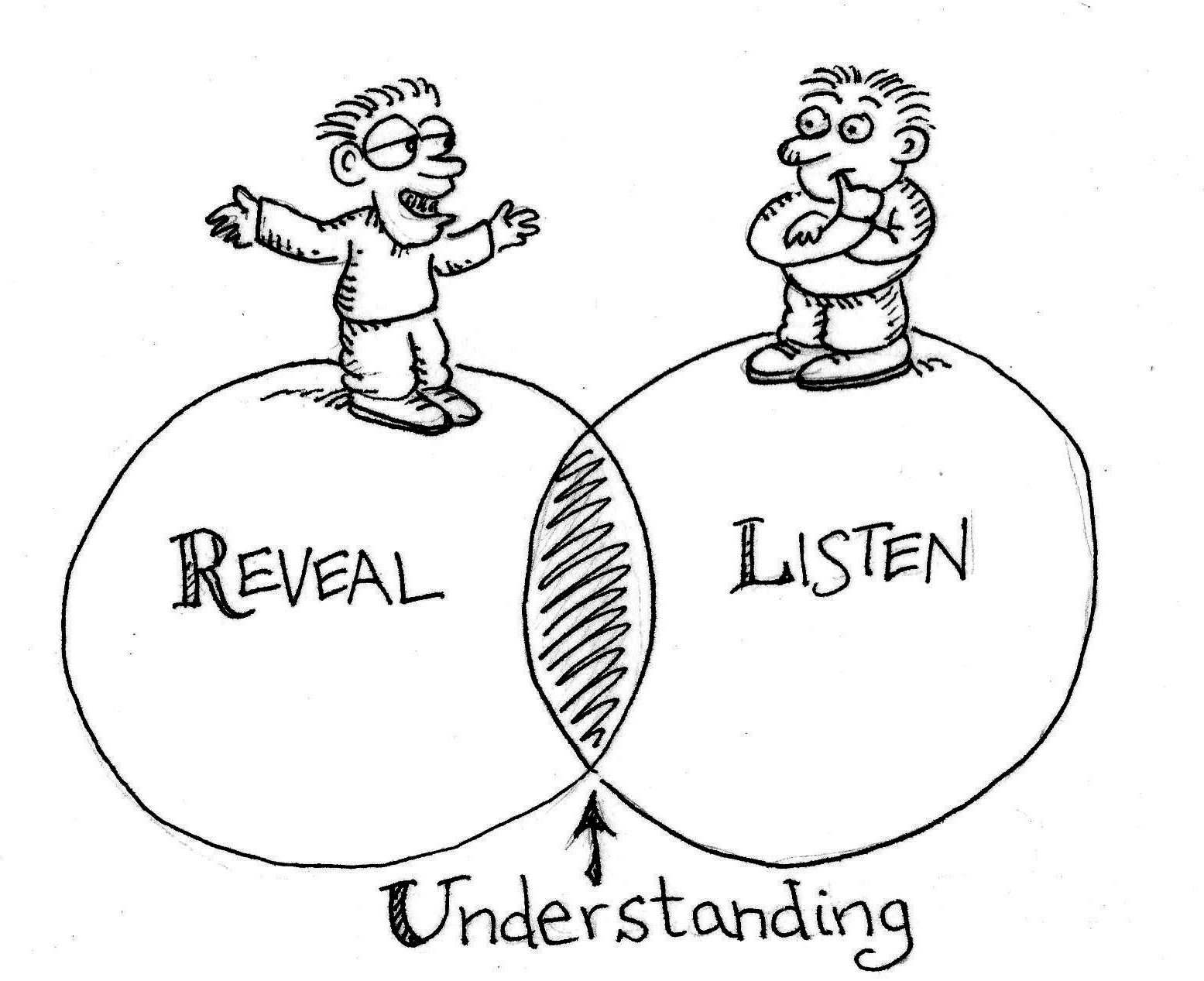
Once you have “sent” your message, you may become the receiver. When you are on the other end you must do what you can to be certain you heard the message correctly. This means engaging in active listening and restating in your words what you understood.understanding
Although the focus here is on verbal/written communication, never forget the presence of nonverbal communication. Any written messages should be proofread.  We hit send (or replay all!) too fast. It’s not serious when dealing with your friends, but when communicating with administrators, teachers, and parents it communicates a message about your skills and how much you care about what you are saying.  When it’s important, I create my emails in Word first and then do a copy/paste.

non-verbalWhen you are speaking to someone, watch their non-verbal communication.  Are they subtly checking the time? Are their eyes glazing over?  Do you need to rephrase for their understanding or is it time to bring the conversation to an end?  Stay aware.

Good communication skills can be learned and can always be improved.  Practice makes perfect – or at least better.  How well do you communicate?  What’s your best medium?  What do you need to work on?

ON LIBRARIES: Show Me The Evidence

evidence-2 We live with assessment every day.  High stakes tests are used to determine what students know and whether you are doing a good job.  The tension it causes leads many of you to dislike the term, and yet it remains a critical part of teaching and leadership.

When you teach you are always assessing your students’ progress and that is the mark of a good teacher. But how often are you assessing your library program?  Is it as good as it can be?  What can you do to make it better?  That form type of assessment is necessary if you want your stakeholders to recognize your value and that of your program.

You are probably aware of Evidenced-based Practice (EBP) which started in the medical profession, but you may have dismissed it as too complicated to add into your already crowded day. Just because it sounds very academic doesn’t mean it’s difficult.  It’s as hard as you make it—or as easy.

To review for a moment. There are three aspects of EBP.

  • Evidence for practice involves using the research to determine best practices.
  • Evidence in practice is taking the research evidence coupled with your own evidence (possibly from your formative assessments with students) to identify what is necessary to improve your program. Here is where you want to connect what you are doing to the Mission and/or Vision you have for the library. It is how you transform learning.
  • Evidence of practice is the results you get. The data you collect from using evidence in practice showing the outcomes of what you put into practice.assessment

For more on the subject you can go to Ross Todd’s 2008 article in School Library Journal, “The Evidenced-Based Manifesto for School Librarians.” The article points out a number of ways you can gather evidence including student interviews, their reflective journals, and surveys.  While these may still feel like a lot of extra work, you need to build a portfolio documenting your accomplishments. To remind yourself of some of the significant research go to Scholastic’s School Libraries Work 2016.

Although the academics might not fully approve, you can also get your evidence in somewhat less formal ways.  If you are focusing on a specific change in practice, perhaps developing students’ ability to think critically or building their understanding of digital citizenship, you can create exit tickets to determine how close you came to achieving your goals.

Why is all this important?  Many years ago a principal came to me and asked if we could speak confidentially.  I had worked for him at the elementary level before transferring to the high school. He had a problem with his current librarian.  His difficulty was while he could go into any classroom and see whether the teacher was doing a good or poor job.  He was at a loss to do the same with the librarian.

This should sound familiar to those of you who say, “My principal doesn’t know what I do.” I took an hour to go over the many big and small ways a librarian impacts student learning and helps teachers, even good ones, do a better job. Feeling more capable of evaluating the librarian in question who was up for tenure, he went back to his school. (For the record, she wasn’t rehired.  He did have a sense that something was wrong, but he had no resources to substantiate his feelings.)

Action Research is very similar to EBP and you may find it easier to do.  First of all it is not research in the typical sense.  Rather you embark on a series of steps:

  • Identify a problem
  • Gather and interpret data on the problem
  • Create an action to address it
  • Put it the action into practice
  • Evaluate the results

portfolioIn many ways, you may already be doing this, but not formally.  For example, your students turn to Google all the time instead of using more helpful databases.  So you incorporate a mini-lesson on one or two databases in connection with a research project they are doing.  Then you observe them in action and check their work-cited page. All that work but you have no evidence to show for it.

Instead document it from the beginning.  You have identified the information.  Now gather evidence of them at work, even if its anecdotal record what you observe and date your observation.

Your lesson plan is the documentation of the action you put into practice. For the results you can record them in action and their work-cited.  You also use a survey (before and after if you like) to show their past practice in research, their change, and whether they found it worthwhile. You now have evidence of the efficacy of your instruction.

Bring a portfolio of your EBP and /or your Action Research to your annual evaluation.  Even better  – share it with your principal (and your board if you reach out regularly) as you complete it.  Included highlights on your quarterly reports.  Not only will you principal know what you are doing, he or she will value the contribution you are making to the educational community.

ON LIBRARIES – Dress for Success

dress-for-success-1I am taking on a somewhat controversial topic.  Not everyone sees this as necessary, and it’s not the most important thing you can do to promote your leadership.  However, with so much at stake to keep library programs and librarians visible and vital, I believe we should use every tool available to us.

You know that you communicate a great deal without words. When you walk into a room, before you say anything, you have sent a number of messages. Some are totally unfair as people will make judgments based on arbitrary prejudices such as age, weight, and any number of other irrelevant criteria.

body-languageIn addition to visual clues, body language tells a lot about what you are thinking and how you are feeling.  Arms crossed signals you are closed.  Whether you look at people or away from them reveals how secure you are feeling. Tight lipped smiles shows you are hiding something or feel insecure. You make these decisions about others.  They do the same about you.

How you dress also sends messages. I go to every ALA and AASL Conference and I am always amazed at how easy it is to distinguish between the vendors and the librarians in the halls and elevators.  I know many librarians feel they can relax and dress solely for comfort, but I have a feeling that many of them dress that way when they are in their schools.

wonder-womanLook around your building.  Notice how the teachers dress.  Is there a difference between those who are well-regarded and others?  The dress of the secretarial and clerical staff is rarely the same as what teachers wear.  Paraprofessionals and aides mostly have their similar dress “code.” This is not a hard and fast rule.  There are always exceptions, but in general this holds true.

Now look at how administrators dress.  Compare that with what you wear.  Where are you on the scale?  If you look like some of the less-regarded teachers you are opening yourself up to being ignored or not valued highly.  If your clothes are similar to teachers who are highly regarded you are in a better position.

But you want more than that.  You want to be viewed as a leader.  Increasingly you will be in the presence of administrators. If you look as though you are one of them, you will be treated as though you are.  It may seem shallow, but it’s effective.

I have known a few librarian leaders and one administrator who didn’t “dress for success” who are highly respected, but they are rarities.  They are incredibly skilled at showing their worth and so were accepted by everyone for the leaders they are. You, on the other hand, may still be at a place where you want to prove yourself and emerge from how you are currently perceived.dressed-professionally

Dressing for success is much discussed in the business world, but hardly ever mentioned in education. Indeed, in some corporations a person who is being primed for promotion to higher levels of management might be sent to a personal shopper to be able to present a more polished, successful appearance.  Unlike the corporate world, in a school system, upgrading your wardrobe doesn’t mean you will be purchasing clothes with designer labels, but being mindful of the message you send with what you are wearing is important.

A reality check is necessary here.  If you are at the elementary level, skirts and dresses for women and suits for men are impractical.  You frequently get down on the floor to work with kids.  However nice pant suits or their equivalent and ties and such for men are a subtle change that will be taken in subliminally as part of your message.

While you are unlikely to work on the floor with students in high school, the same suggestions can hold.  Most important at any level is to feel comfortable with what you wear. Jewelry that is too flashy and earrings with long dangles are generally to be avoided as they are distracting.

shoes2Shoes are another consideration.  High heels for women are impractical unless you are very accustomed to moving with them on. Sneakers, on the other hand, need to be carefully thought out.  Some are far too casual. Others might work depending on what the norms are in your building and district.  Although it’s not fair, men are more easily able to get away with them.

In becoming a leader, it pays to be mindful of things big and little.  You show your leadership in what you do and how you are and that is what is most important. But you don’t want the small things to take away or diminish in any way from how you are perceived.

Are you mindful of how you dress? Do you think it matters in your building and district?

(EDITOR’S NOTE Based on a section of Hilda’s forthcoming book Leading for School Librarians: There is No Option.)

ON LIBRARIES – To Be Valued and Valuable

the-future-starts-todayThe libraries, librarians, students and teachers of tomorrow — need you NOW.

I have been writing for school librarians since 1979.  I have been speaking and presenting to them for almost as long. Many would say those first years –1980’s and 1990’s – were a golden age for school librarians.  Certainly we weren’t seeing librarians being eliminated, but the times weren’t perfect and many of the seeds of today’s challenges were planted then.

While this look at the past may seem laden with doom and gloom, hang on.  There is light at the end of the tunnel.  You can and must be part of the change. Yes, you are part of that light.

Articles in the early issues of School Librarian’s Workshop dealt with budget constraints.  Libraries still got money, but it was often cut.  Principals saw that large chunk of funds as a source for some of their pet projects.  And how did the librarians respond?  They complained to their fellow librarians.  “Woe is me. My principal doesn’t see the importance of the library program.”library-closed

Sound familiar? I would give a workshop at a state conference—usually my home state—and invariably one or more librarians would tell me, “My principal has no idea what I do.”  There is a connection between an administrator having no idea of what you do and not recognizing the importance of the library program. But too many librarians didn’t want to undertake more work to change perceptions.

Time and again, I was told by elementary librarians, “I am needed because I provide teachers with their contractual duty-free period.” The unsaid message was, “my position is secure.”  I would respond that times change and so do contracts.  The answer mostly fell on deaf ears.  These same librarians would also complain that teachers dropped their class off and came back to pick students up without caring about what happened during the “library period.”  “They think of me as a babysitter.”  Yet, the librarians did nothing pro-active to raise teacher awareness.

perceptionAt the high school level, more librarians had staff and reasonable budgets, but these were cut on occasion as well.  Teachers who liked libraries and had a project would bring their classes in. Some of them worked with the librarian.  So in a typical high school, English and History classes were likely to be the only ones who ever used the library.

High school librarians had rules.  I know of one situation where the two librarians would not schedule all the sections a teacher had for the same day. Too much work.  They only permitted teachers who gave them a copy of the students’ assignment to be sure the period wouldn’t be used to give the teacher a break.  Students were allowed in the library at lunch only if they had work to do.

This is not what school libraries are like to today, but this is what they were like for a long time and what teachers saw.  Librarians had a cushy job. A number of those teachers went on to be administrators.  They took their perceptions of the librarian and the school library program with them.

In 1997, Gary Hartzell wrote a two-part article for School Library Journal on “The Invisible Librarian.”  He pointed to the omission of the role of librarians in teacher training, the absence of librarians in many professional organizations, and the difficulty in measuring the value of librarians contributions. There was general agreement with Hartzell’s views.  Librarians saw it as confirmation that they were ignored and one positive result emerged.  Library researchers began investigating the contributions of a library program and developed ways to measure them. Those studies continue being made today. steve-martin

Unfortunately, most administrators and lawmakers don’t seem to care—or even know about them. They remember the librarians from their early career.  Sure they would have continued library programs and kept librarians, but then the economic crisis hit.  School budgets were slashed.  Time to cut the expendable and not vital. Library programs were a logical place to begin.

In the slashing of programs, many wonderful librarians with outstanding programs were eliminated.  We are all still reeling from how quickly we lost so much.  But bemoaning the past doesn’t get us anywhere. We need to learn from it and use the current scene as an opportunity to emerge better than ever.

The big lesson is, if the school community doesn’t know who you are, what you do, and why it is unique, they won’t value you.  If your principal doesn’t know what you do, how can he or she be expected to see you as vital to student learning and helping teachers teach their students critical thinking and the host of other information literacy skills which are integral to what we do?  You must always find creative ways to let your administrators know about student projects and activities you developed in collaboration, cooperation, or conjunction with teachers.

because-of-youYou must make your presence known.  It’s imperative that you step out of your comfort zone and become a leader in your building.  By working with teachers, helping make their jobs easier, showing them how to integrate tech into their lessons, you become invaluable to them.  They know what you do and want more of it.

Serve on building and district communities to show how you contribute. And finally, you must help other librarians in your district be leaders as well.  The past has shown us it’s not enough for one of you to be great.  The broom sweeps out everything at once.

You must do whatever you can to build that advocacy program.  Get ideas from the AASL Health and Wellness Toolkit. Look for programs on leadership and advocacy at your state association’s conference.  Re-read the blog from two weeks ago on mentorship—and become one.

And if you need an incentive, think of Elizabeth Warren’s quote: “If you aren’t at the table, you are probably on the menu.”

How are you demonstrating leadership? How are you building more leaders? How are you contributing to the future of school libraries?

ON LIBRARIES: Always have a plan

chart your courseThe school year has begun.  Everything is new again. Where do you want to be when it ends? Have you given it any thought?  Now is the time to chart your course.

I have written and taught about strategic planning, feeling very strongly that every library program needs to have a direction for the future.  But strategic planning is normally for a two to three year timeline.  If you haven’t gotten that far, make a plan for this one year.  It will give you the confidence to create bolder and longer term ones.

Start by looking at your Mission Statement.  Every library program should have one that declares its purpose in a compelling way.  If you don’t have one, time to get it written.  I did a blog on it one year ago that briefly explains how to craft the statement.  It doesn’t have to be perfect.  You can always tweak it later.  Check websites of other school librarians to see if they have a Mission Statement.  Borrow wording you like and make it suit your library.  The statement needs to promote the unique purpose of the library program.mission statement

Once you have your Mission, identify any part you haven’t achieved yet.  For example, perhaps mention teacher collaborations yet very few teachers are collaborating with you. Or if you refer to tech resources, what would you most like to add to your collection?  Is your book budget far too small—or non-existent – for you to build the lifelong readers you stated as part of your purpose?  Do you think an author visit would promote reading? What else is lacking?

Now comes the challenge.  How can you achieve this one change in the course of the school year?  If teacher collaboration is your target, identify the teacher(s) most likely to work with you. You really can start with just one teacher to discover what works and what doesn’t.  Remember, you need to have a relationship first before you are likely to win that teacher over.

Figure out what curricular unit would be the best fit for a mini-research project. Look for one occurring early in the school year so you can build from that. Speak to the teacher, stressing what you are willing and able to do.  You don’t want to add to the teacher’s workload. Do your homework first and have a list of helpful resource ready for you share with the teacher.  Offer ideas for a culminating unit in which students demonstrate critical thinking and create new knowledge.

For tech issues and increasing money for book purchases, you need to identify a source of funding. Can you get a grant from the local education foundation?  Will the parent association give you money from a book fair? Are there other sources in your community?  Look into DonorsChoose,org as a possible source.

Before you apply for any outside funding, develop a rationale for your plan.  Know what you want to do as a follow-up. Speak with your principal. Discuss your Mission and why you want to work on developing this aspect of it. If you are prepared, you should be able to get approval without much if any difficulty.

will it be easyLeaders plan and always have a plan.  While you will focus on one thing for this school year, have a list of everything you want to do to strengthen the library program and make your Mission Statement a reality for everyone in the school.  Then you start working on achieving your Vision.

You never know when an opportunity will arise and you have a chance to do something but have to move quickly. I have known of librarians who are informed there is suddenly a specified amount of money available but it must be spent within a short time frame.  I had it happen and called a vendor I trusted, set up a meeting and gave the rep a big order.

I also used to make it a practice to see my Superintendent of Schools over the summer.  Depending on how your district works, you probably would do this only with your principal.  In that quiet time of the year, I would discuss where I wanted to take the library next and why and how it might affect the budget.  We would negotiate for the funds I wanted for a given project.  I would agree to take money from one part of my budget and she would acquiesce in getting me additional funds to make it happen.

What was most telling is that she once said to me, “I have the feeling that if I go one step with you, you have nine others waiting.” She was right.  I needed those other possibilities.  In case my first idea was shot down, I would bring up the next. She also said to me on another occasion that she learned the easiest way to deal with requests was to say no.  Almost everyone would take that for an answer and go away.  But those like me, who came back with an alternative were listened to.  She could see we were committed to getting something done.plan

So what’s your plan?  What do you want to see happen by school’s end?  What else?  What else?  Dream, plan, and work.  Create a mission, build relationships, and grow your program. You can make it happen.


ON LIBRARIES: Leaders Empower Others

    leadership direction         The word “empowerment” has been coming up often. The AASL guidelines for school library programs has the title Empowering Students. “Empower” has become one of the buzz words used in business and education.  As with many overused terms, frequency blurs meaning. It is a very strong word and should be thoroughly understood so you know what it is you are expected to do.

Merriam Webster defines it as “to give power to (someone)” or “to give official authority or legal power to (someone).” Obviously we use the first meaning most often, but even so, what power are we giving students?  Through our inquiry-based lessons they develop the power to learn on their own, follow their passions, knowing they have become skilled users and producers of information.

But there is a more subtle meaning of empower. When we empower someone we make them more confident, in control of their life, and able to believe in and trust their abilities. That is a huge responsibility. Yet if you follow your students over their several years in your building, you see that is exactly what you do.super heroes

The AASL Guidelines were published in 2009 and the use of “empowering” in the title was new in the world of education.  Although it didn’t discuss why the word was chosen, it was on target.  We need to embrace the concept of empowerment.

As a leader you need to take on the challenge of empowering others.  Recognize how and when to empower your stakeholders. When you bring relevant aspects of your expertise to them, they become more confident in what they are doing and, whether or not they acknowledge what you have done, they are aware that they have grown as a result.

Students, of course, are your first stakeholders, and you know how you empower them.  You do so with every inquiry based lesson, every time you expand their range of leisure reading, or guide them in their searches for their assignments or personal interest.  Tune into how you are building their confidence and trust in their own abilities to learn on their own.

Your teachers are the next group you need to empower.  To do so, analyze where they are unsure of themselves and need some help. Because of rapid changes, teachers are usually not nearly as capable as you are at integrating tech resource.  They are unaware of the vast range of them and the new ones that keep sprouting up.  One librarian I know of, sends teachers information on one tech resource each week, offering to help them see how it can be used in their curriculum units.  Knowing that you are there to hold their hand as they learn how to use it, makes the prospect less intimidating and builds their confidence.

help upSome teachers are not well versed in crafting units with Essential Questions (EQs) and Enduring Understandings (EUs).  As you work with them, having built a relationship so they trust you, suggest possibilities to use in a learning experience.  The more the two of you work together, the greater the teacher’s confidence grows in writing the EQs and EUs on their own.

Finally, the importance of inquiry-based learning is being touted as important in student learning.  Too often the implication is it can be accomplished solely in the classroom. Considering it has students select the direction of what they want to learn about a topic and invariably requires research, it can’t really be limited to the classroom. But you can point out how you structure an inquiry-based unit.  Working with you is safe as you do not evaluate teachers so they are willing to ask questions and learn as they go.

The strong relationships and growing history of collaboration or cooperation you have built with teachers are the foundations on which you empower them.  In an era when many eyes are on classroom teachers, judging and evaluating what they do – and usually negatively, you give them the confidence and the vocabulary to show they are valuable.  And you are therefore valuable to them.

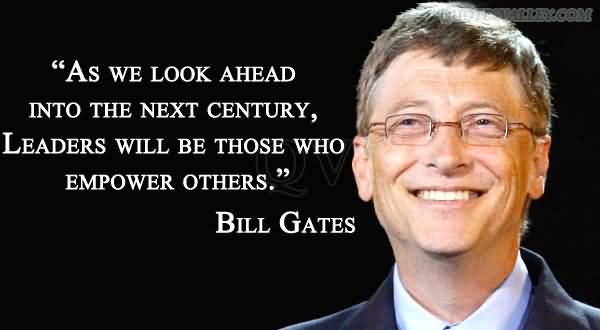
Your next step is empowering administrators.  While many work hard to keep up with changes in technology and what is happening in their buildings, too often they are even more overworked than you and the teachers.  When you inform them of projects teachers have done with you, always spotlighting the teacher, and students learning and reactions, you give them a deeper understanding of how collaboration (or cooperation) is impacting both faculty and students. With this knowledge, the administrator gets to know more details of what is happening in the building that could be obtained from the few classroom observations.  The added benefit is that it promotes your program.Bill Gates

Parents are another group of stakeholders you can empower. They are aware of the dangers their children might get into in cyberspace but lack the knowledge to know how to prepare them and keep an eye of their child’s digital footprint.  If you give a presentation to parents on keeping kids safe in cyberspace and/or posting helpful information for parents on your website, you empower them.  Even keeping them informed about projects classes are doing is a form of empowerment as it makes them feel closer to their children’s day.

Who are you empowering?  How are you doing it? What help do you need? Remember – your peers and mentors are here to empower you!

ON LIBRARIES: Safety – In the Library and Leadership


Safe place2In your philosophy and in your vision or mission statement you undoubtedly have a phrase about the library being a safe, welcoming environment.  It’s intrinsic to how we view our role and relationship to students and teachers.  The words are important so we let others know we value that atmosphere, but what do we do to create it?

Safety is also a factor in strong leadership.  It’s one that few think of and yet has particular importance.  By becoming aware of both of these aspects of safety, you will be able to integrate them into how you work with others.

Safety in the Library

Certainly, many of you have worked hard to change the look of your facility.  High school libraries in many locations have banquettes or high tops to convey the message that the library is not just for school assignments.  The ability to move chairs and tables easily allows students to work comfortably in groups of various sizes.

The move to a Learning Commons is a further extension of the concept.  Increasingly libraries have changed to meet the new ways students –and teachers—discover, work, create, and share knowledge.  Today’s school library is a far cry from the heavy furniture and range of bookshelves that defined them almost to the end of the last century.resources2

But what about safety?  Historically, we know that kids who are bullied or feel friendless seek out the haven of the library.  They come during lunch periods and find a corner where no one is likely to spot them.  Even when they are with a class, they seem to be somewhat separate from their peers.

It may not be as obvious in the elementary grades, but you can spot them there as well.  In story time they sit at the end of a back row, feeling more secure by having minimal physical connection with the other students. They may not answer many questions directed to the group. During a research project they prefer to work alone if it’s possible.

With all that you do, it’s not always easy to be alert to these non-verbal signals, but these students need you.  It’s what you mean when you say you want to create a safe environment. At the elementary level be attuned to how their classmates react to them when they do answer a question. Look for body language as well as how they behave and interact with others to identify these students.

Learn their names. Quietly speak with them. Find out their interests and then look for books and other resources to meet them.  Follow up by discussing what they read or chose to do with those resources.  Sometimes these kids are homeless, are a minority that a significant percentage of the student body neglects, have a parent away in the military or in prison, or are dealing with traumatic home situations.  Yes, this is the job of the guidance counselors, but they, too, are overworked and don’t get to see these students in the context of their school day. You can connect with the guidance counselors to get advice and to work with them to help these kids.

lgbtAs you are aware, many of these students are LGBT.  Especially at the high school levels, does your collection have fiction and nonfiction books to help them realize they are not alone? That others have gone through what they are dealing with?  Are you aware of online resources that can help?   NOTE: In some communities it is a challenge for you to acquire books on the topic. While I strongly believe it is the role of librarians to have materials to meet the needs of all their population and am a strong supporter of intellectual freedom, I recognize the fear you might have about losing your job.

If your resources are limited, consider connecting with the public library and seeing if you can borrow materials from their collection.  Depending on your situation, you can have the student take the books home or read them in the library, returning them to you when they leave.  You may save a life.

By showing everyone your Mission and/or Vision is not just words you put up on the wall, but are core to the library program, you demonstrate your integrity as a leader.

Librarians need to do whatever it takes to make the library a safe, welcoming environment for all.

Safety in Leadership

Until very recently I had never recognized the role safety plays in leadership.  I now believe it is one we need to integrate into our relationship-building and observe how it plays out with other leaders in education, business, and the world at large.  It began with a YouTube video of a TED Talk.simon sinek

Simon Sinek gave a TED Talk entitled Why Good Leaders Make You Feel Safe directed primarily to business people.  He spoke about a Congressional Medal of Honor winner who was asked why he risked his life to save others.  Like many in the military he responded that they would do the same for him.

Sinek sees this as originating in cave days when our world held dangers from predatory animals and assorted other sources.  In essence we drew a circle of safety around those who lived with us and the multiple threats to our existence lay outside this circle.  Within this circle were people we could trust to have our backs and we would have theirs.

Advance forward to modern days.  While corporate America had many negatives from the beginning, at one time people felt secure that by working for a large company that they would have a job for life.  That has changed, accelerating when the economy hit a tailspin in 2008.  Layoffs abounded.  It became a dog-eat-dog world and you couldn’t trust your co-worker not to stab you in the back to protect his/her job at the cost of yours.

Sadly, education as a field has taken on some of these characteristics. Faculty feel threatened from outside and from within the education environment. Morale has suffered tremendously.

Show a new aspect of leadership by making your library a safe haven for your fellow teachers.  Do what you can to have their backs. Keep what they say confidential.  Be ready to provide resources that might help them in difficult situations.

I urge you to watch the full TED Talk and give some thought to the implications it has for your own leadership.  What will you do differently?  What new perspectives has it given you?


ON LIBRARIES: Leadership – There Is No Other Option

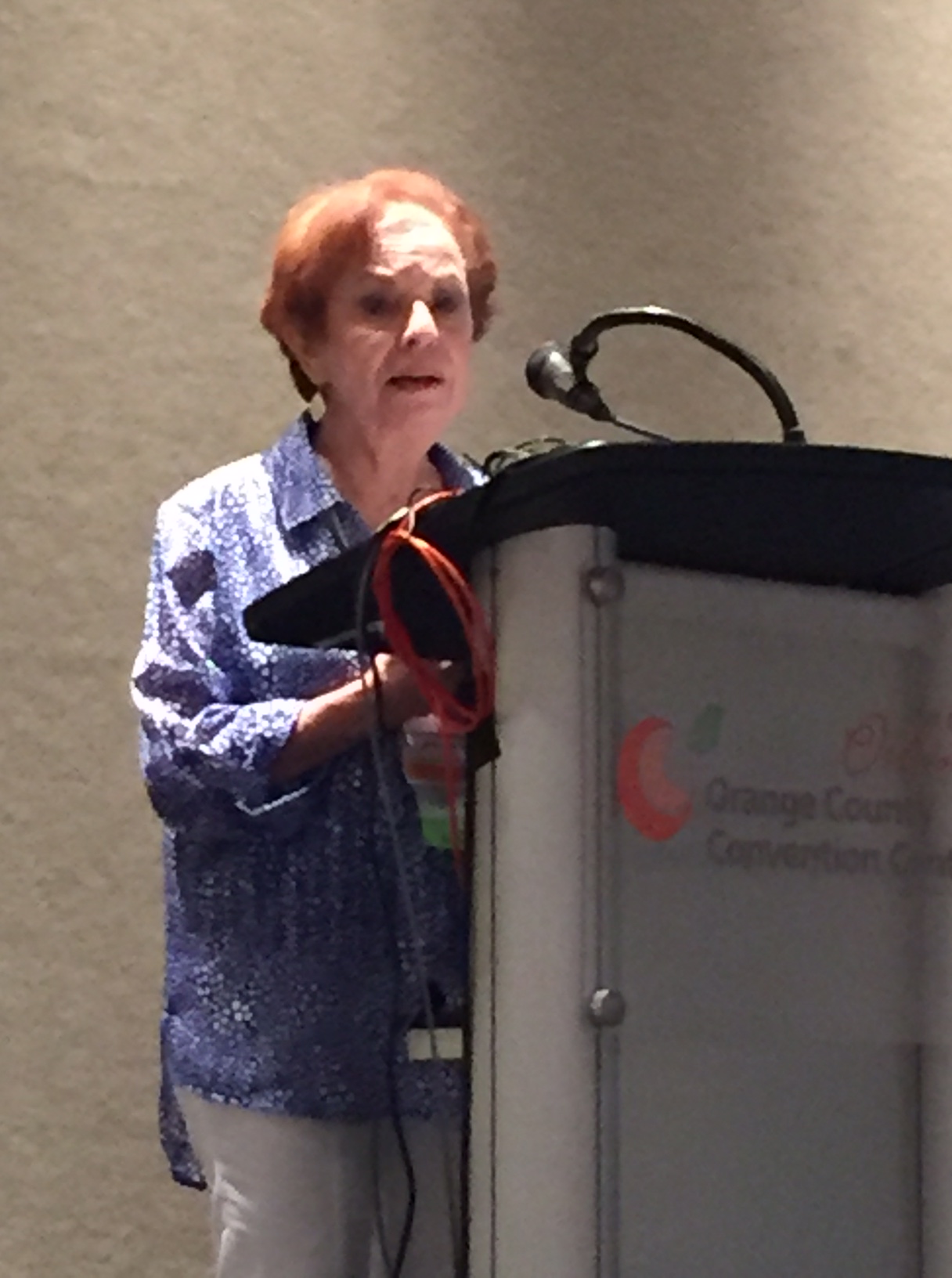
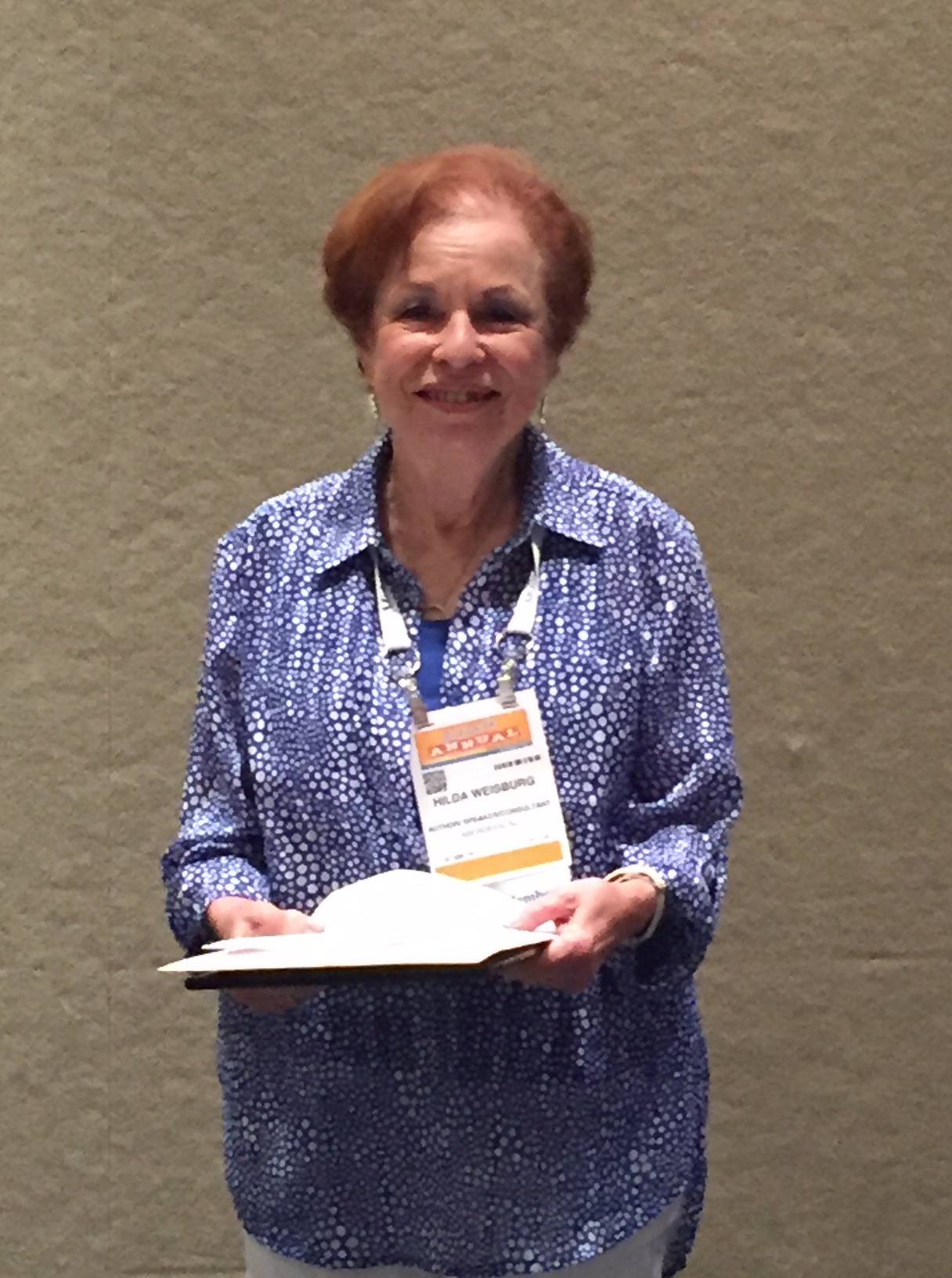
On Saturday, June 25, I was honored at the AASL Awards Program to receive the 2016 aaslDistinguished Service Award.  As part of the presentation, I had the opportunity to speak and I addressed a topic I have been writing about for years. This is something you know I am passionate about, so I am sharing that brief speech as my blog for the week.

~~~~~~~~~~~~~~~~~~~~~~~~~~~~

IMG_3562My deepest thanks to AASL, Baker & Taylor, and to everyone who had a part in nominating me for this incredible honor. To say I was absolutely dumbfounded when I got the news is a giant understatement of how I felt. I have long admired so many of the past winners whom I know personally, and can think of so many others who deserve this award as much as I do.  A good number of them are in the room right now.

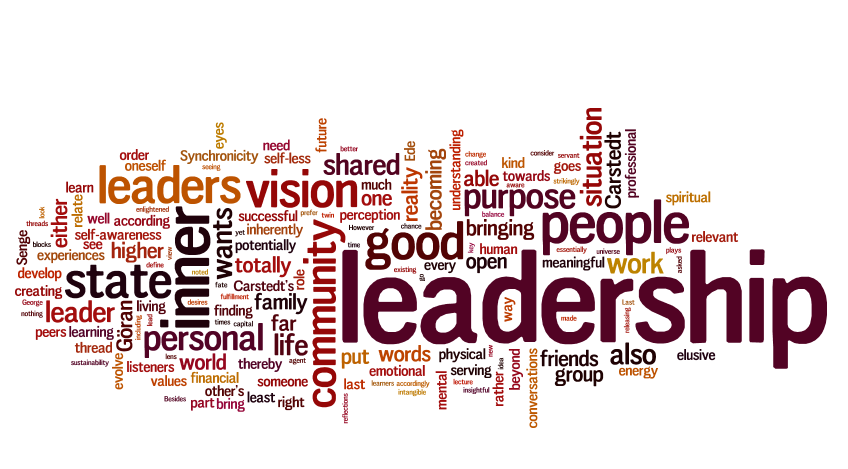
Although it is called the “Distinguished Service Award,” it is truly one that recognizes leadership in the profession and leadership has been a soap box I have been on for decades. Most of you here right now are leaders.  Some farther along than others, but all of you have begun that journey.Leadership wordle

Unfortunately there are too many librarians who have yet to step out of the comfort zone of their libraries and accept the fact that leadership is no longer an option.  It is a job requirement. Our students and teachers need us to be leaders.  And our profession needs librarians who know how to make their presence known and their program be viewed as vital and indispensable.

AASL can provide resources.  All of you can be mentors.  But we must recognize that it is not enough for us to lead and be successful. If we all aren’t successful, too many people will not realize the unique roles we play and how these affect our students, teachers, and often the administration as well.

I honestly think we have turned a corner on the depletion of librarians and libraries, but it will be a slow climb back and the direction will not always go forward.  We must be there to support our colleagues who find leadership a scary thought and have told themselves many stories as to why they can’t be leaders.

I will address only one here, but I have heard it often. “Leaders are born, and I wasn’t born a leader.”  Guess what?  Neither was I.  If you met me in high school and college you would know I was not and would never be a leader.  If you saw me on my first two jobs, you would be convinced I had no idea how to lead.

IMG_3565I don’t think anyone would say that of me today.  What happened?  I joined my state association and was on a committee.  (Note, I didn’t chair it.) I joined ALA/AASL and went to conferences and programs.  There I learned the “language” of our profession, meaning I could speak with authority and conviction about topics relating to school libraries and education.

I moved out of my comfort zone.  I started saying “yes” when my brain was screaming, “are you crazy?  You can’t do that.”  But I was smart.  I got help.  I didn’t do it alone.  We think we are alone because we usually are the only librarian in our building.  But we belong to the most generously supportive profession in the world.

When I had a question, I could get an answer from around my state – and then the country.  And at first I needed a telephone for that. Fortunately, we now have many more ways to connect.

So please, be the help that your librarian colleagues need.  Make it known you are there for advice and help.  We belong to a very old profession that has been important to the progress of civilization for thousands of years.  We can all take it to the next level and insure that we continue to make our invaluable contributions, for we truly transform our communities and our society.

~~~~~~~~~

challenge acceptedFINAL NOTE: The challenge remains.  We  need to commit ourselves to ensuring all our librarians are leaders. What are you doing personally to become a leader or to expand your leadership?  How are you helping the librarians in your state and your district to become leaders?

ON LIBRARIES: Are You Confident?

confidence2Leaders are confident. Not arrogant.  Not bullies riding roughshod over others, just confident. They trust themselves and, while they listen to others, they don’t constantly second guess their decisions.

Confidence is a natural part of leadership. Who would follow someone who was uncertain and continually thought, “Well maybe we should do it this way instead?” This doesn’t mean good leaders don’t alter their course or tweak a plan. However, they do it in a well-thought out reasoned way.

Since I advocate that leading is not an option but a job requirement for school librarians, I have come to recognize developing confidence is a necessary prelude to becoming a leader.  Leadership seems a difficult challenge for many and idea that you can become confident seems equally remote.  If you are in that situation, I have some suggestions.

Dress with Confidencedress for success

In this context, it means dress like a leader.  People react to visual messages before they hear the verbal ones.  See how teacher and administrators dress and emulate them. You don’t have to go over the top, but avoid clothes that don’t fit well or send a conflicting message.

Anyone who has worked in an elementary school is aware of the different building climate on “picture day.”  Students dress up and without anyone saying anything their behavior improves and becomes more orderly.  Dressing up for a prom sets the tone making it a special day.  We all dress for a dinner at a fine restaurant.

Clothes affect how we think about ourselves and how we act.  For those who aren’t confident, dressing as though you are helps you “fake it till you make it.”

Speak with Confidence

You might not know where to begin with this, but there is an easy first step.  Monitor how you end a sentence when expressing an idea.  Does your voice go up as though you are asking a question?  This speech pattern has become common particularly with women and girls.  It implies you are uncertain about what you are saying.

Become familiar with educational and library issues.  AASL’s and your state association’s web page report on these.  They give background information.  From there you can pick up the language in use.  Talk to a mirror at home about these topics.  When you speak without too many pauses, needing time to re-check the information, you are ready to share your “expert” opinion on the issues. And you will sound confident.

gears of confidenceProject Optimism

Confident people are optimistic.  The current climate in most schools has caused even those who aren’t pessimists by nature to develop a negative outlook. Search for the positives.  This doesn’t mean be a Pollyanna who sees life only through rose-colored glasses. Being realistic is important.  But remember nothing in life stays constant.  You don’t have to be in education too long before you realize change is always happening.

For example, you can point out that the stresses caused by Common Core and PARCC testing has roused parents.  They are now working with teachers and are putting pressure on districts and the state to make changes.  Note that ESSA has been passed and this will make a difference in the educational landscape.  While the shift will probably cause additional stress, you will be there to help them adapt and work through them. And since you have been on the AASL and your state association website, you will be current with where ESSA is and where it’ going.

Adjust your attitude. Whether or not you are a person who likes affirmations, start each day with a positive thought. Think of seeing a teacher or a class you like to work with.  Focus on the parts of your job that you love.  Yes, there will be incidents that pull you off, but just get back to why you became a librarian.

Ask for Helpconfidence

This sounds counter-intuitive, but remember confident people listen to others. It’s how you ask that makes the difference.  Instead of saying, “I am supposed to do this, but I have no idea what to do,” say, “I am working on this and would like you input as I value your opinion,”

Check with your PLN.  Librarians are an incredibly helpful, supportive group. Ask for suggestions and opinions (we have some great conversations on the School Librarian’s Workshop Facebook page!).  You will get a vast amount of valuable assistance.  In turn, be ready to help others.  It will build your confidence.

One final piece of advice.  Smile – and mean it.  It goes a long way to projecting confidence.


ON LIBRARIES – Standard Approach to Leadership

be calm and leadNo, this is not about a basic way to be a leader. I meet so many school librarians who feel being a leader is too difficult or too time-consuming or too—add you own reason (for more excuses see my blog October 15 Stories We Tell Ourselves).  This is about a very simple way to ease into leadership.  And you do need to find a path to leadership because, as I have been saying for some time – Leading isn’t an option—it’s a job requirement.

Standards have become an educational obsession.  Many librarians have proven their value by showing how they can help teachers in meeting the Common Core Standards, and the research results consistently show a high correlation between an active library program staffed by a certified school librarian and student performance on high stakes test. By doing so, these librarians have shown the value of their program, but you can use standards to do even more to showcase you as a leader.

And good news – there is a shortcut.short cut

AASL has a Crosswalk between the AASL Standards for the 21st-Century Learner and the Common Core Standards for English Language Arts, Reading Standards for Literacy in History/Social Studies, Reading Standards for Literacy in Science/Technical Subjects, Writing Standards for Literacy in History/Social Studies, Science & Technical Subjects, and Mathematics. In other words—the Common Core standards in all subject areas are matched to the AASL Standards for the 21st-Century Learner and you can either start with the Common Core standard and find the matching AASL one(s) or start with the AASL standards and get the related Common Core standards.

You can look at your lesson plan and see which AASL standard(s) you are addressing: Standard 1 – Inquire, think critically, and gain knowledge: Standard 2 – Draw conclusions, make informed decisions, apply knowledge to new situations, and create new knowledge; Standard 3 – Share knowledge and participate ethically and productively as members of our democratic society, and/or Standard 4 – Pursue personal and aesthetic growth.  When you click on that Standard you find a two column table.  The first column lists the indicators for each of the four strands. The second column give the applicable Common Core standard that matches.

crosswalkSince I am more familiar the AASL Standards than with the specifics of Common Core, this is the way I would begin.  I know what AASL Standards I want students to get as the result of a learning opportunity, so I check for the Common Core standard that includes the grade level I am dealing with.

However, if you want to really focus on Common Core, go in that direction. Select the appropriate standard area and click on the grade level.  Don’t be alarmed by the many standards for which there is no corresponding AASL Standard.  Just keep scrolling down.  The empty cells reflect areas not part of the library program. You are not reproducing what happens in the classroom.  Your unique role is in providing those components of Common Core which are central to the library program.

Now when you write your lesson plans, do a copy/paste of the matching Common Core and AASL Standards.  Not only does this show how you address the needs of students, it also highlights how our national standards are in alignments with Common Core.  Once you have done this a few times, make an appointment with your supervisor or principal and show how this crosswalk works.

If you have purchased the 12-copy packet of AASL Standards, give one to the administrator, if not, download them and do the same. Point out what is on the first two pages and then discuss the four strands which are explained on the last page.

How does this make you a leader?  It demonstrates you are an instructional partner to teachers. It also highlights your understanding of the importance of standards and how AASL has national presence in developing standards for 21st century learners. (Do stress the word learners as opposed to students – it focuses on the need to realize we are all learners.)

On a final note – Common Core is slowly moving out of the picture and AASL is in the process of revising the standards which are now eight-years old.  This is a fast-moving world and AASL seeks to stay on top of the changes.  As a leader in your building you must do the same.  Be on the lookout for whatever succeeds Common Core.  Something will.  Keep checking the AASL website so you are aware of the new standards when they are published.  Your students, teachers, and administrators need you to be prepared.  That’s how leaders behave.