Weigh Your Words

image by Oko Swan O’Murphy via Canva

Words have heft and weight, and in our hectic world we sometimes toss them around without considering their power – including their power to wound.  An inconsiderate response can do lasting damage. An off-hand remark can crush a student. The wrong response to a teacher can close the possibilities of collaboration you have been working towards. You didn’t mean to do it, but the harm was done. On the flip-side, the right response can strengthen existing relationships and start new ones.

We typically (and unintentionally) do damage when we are busy and respond without thinking. Being aware of phrases that might harm relationships and what to say instead can help avoid these situations. Gwen Moran suggests These 7 Phrases Can Help You Sound More Powerful at Work. They will also keep relationships moving forward.

  1. Here’s What I Can Do – “No” cuts conversation off. There are always alternates you can propose. You can’t and shouldn’t always say, “Yes”, but there are alternatives.  Moran reminds us we need to set boundaries. It’s good for others to know you have a lot of work and many priorities. At the same time, you don’t want to cause a teacher to think it doesn’t pay to ask for your help because you are so busy.
  2. I’ll Find Out – This one is part of our work so it may come more naturally. As a profession, we are great at finding out and rarely just say, “I don’t know.” A quick response because we were too busy or distracted to listen carefully to the request will do more harm than letting someone know you will follow up. Try to give a date or time by when you plan to get back to them – and do so.
  3. Can You … – Asking for help is a good thing. Moran cautions you not to preface the request with, “I know how busy you are …”   You don’t want to suggest you see your request as a burden. Also, you can request that they do something before you add your support. “Can you narrow down your search before I….” “Can you give me a list of topics you want covered….” And when someone does you a favor, they feel positive about themselves – which can improve your relationship. After, don’t forget to thank them. Handwritten notes are great for this.
  4. Let’s Solve This – I love this phrase. It creates a collaborative situation which more naturally strengthens relationships. Working together you get to understand the other person’s needs better. The knowledge will help you in targeting your future communication to their wants and needs.
  5. I’m Glad You Like It – It’s hard for many of us to accept praise but minimizing it by saying it was no big deal or deflecting to how someone else contributed takes away from what the other person said. Accept compliments gracefully and graciously. Assess if it’s a good time to get feedback by asking, “What do you think worked?” as well as “How could I have done it better?” or “What do you think I should do next time?”  In the convivial atmosphere of a conversation, you can get a helpful response and build for the future.
  6. I Want to Help – Whether it’s a teacher or a student who is distraught, “Calm down” never works. It typically aggravates the situation which, in turn, weakens a relationship. Saying you want to help or asking what you can do allows the person to focus on what you are saying and that help is available. Helping them articulate what they need further strengths your relationship by showing them you are someone who can be trusting in stressful situations.
  7. I’m Happy I Was Able to Help – Moran says this goes beyond saying “You’re welcome.”  That phrase is an automatic response to a thanks. By bringing in your happiness, you pave the way for further opportunities to work together and reinforce the collaboration and connection that occurred.

Words spoken aloud or in text are fundamental to our communication. Communication is a tool for building relationship. Relationships are part of our leadership skills, and leadership is necessary for advocacy. Because words have power to harm or help, they can erode all we are trying to build when we speak carelessly. Bullies use them consciously to hurt. Implicit bias has been unconscious but no less wounding. Despite our knowledge, sometimes we speak without considering what the receiver of our message hears. Before you speak, take stock of where you are, especially if you’re feeling rushed or stressed, and pause before you respond. It can make a big difference.

Being Effective

As you pivoted your way through the pandemic, goals and needs kept changing. Being effective was and is a challenge. Being efficient was even harder. With the heavy time constraints we have, we need to improve our techniques for being more effective – and by doing so – become more efficient.

Merriam-Webster defines Effective as “producing a decided, decisive, or desired effect.” It implies knowing what needs to get done and then getting right down to the task. It’s a good goal for students and for you. But it is elusive.

We know that working harder is not the solution. It is draining, making you less productive and therefore less efficient. John Rampton says the way to do it is to Work Smarter, Not Harder: 10 Ways to Be More Effective at Work.

  1. Trim the Fat – This sounds like a good diet idea, but it refers to making your to-do list work for you. Putting too much in sets us up for feeling frazzled, not accomplishing everything, and encourages multi-tasking which doesn’t work (we’ll get to that). Besides identifying your three highest priority (and goal-related) tasks, get at least one finished early, giving you a feeling of success.
  2. Measure Your Results, Not Your Time –Whether it’s weeding or collecting books, measure your success by what you accomplished in one day. You know how to eat an elephant? One bite at a time. Rampton quotes Leo Widrich, who recommends keeping a “done” list. It allows “you to review your day, gives you a chance to celebrate your accomplishments, and helps you plan more effectively.”  I do the same with my Success Journal which I keep next to my computer.
  3. Have an Attitude Adjustment – Your mindset has a powerful influence on your effectiveness. When you feel you are getting things done, when you recognize your help to others has made a difference, you don’t have the weariness that keeps you from being effective.
  4. Communicate, Communicate, Communicate –Communication is key to our success. It’s not just our words or our texts. It’s the choices we make in using them and the silent communications happening simultaneously. Active listening is your responsibility in communication. Suiting the message to the communication channel enhances the chances of it being received as intended. Long emails often don’t get read completely. Don’t bury the lead. Say what needs to be said—and stop.
  5. Create and Stick to a Routine – The more things you don’t have to think about, the more effective you become. To help make this happen – use the next tip.
  6. Automate More Tasks – There are apps and programs for planning, calendars, reminders, and more. Ask your PLN what’s helping and see if it makes sense for you. The best automation can help you get through your day with fewer decision points leaving more energy for bigger issues.
  7. Stop Multitasking – Once the touted way of getting more done, studies have proved it doesn’t work. Unfortunately, we do this more often than we realize. The worst offense is when we are mentally planning what we will do or say next while we are talking to someone. Stay focused and you are more likely to stay effective.
  8. Take Advantage of Your Procrastination – Historian Cyril Northcote Parkinson, author of Parkinson’s Law said, “If you wait until the last minute, it only takes a minute to do.” Not that this should be a general practice, but it suggests we cloak our tasks in more time than they need. Give yourself shorter, clearer, deadlines and you’ll find yourself getting more done.
  9. Relieve Stress – Stress impacts work performance. You’ve heard this before and likely know the techniques that work for you. Get up and move for a while. Take a break in another part of the building. Look out the window or find a way to sit in the dark for fifteen minutes. Lowering stress increases effectiveness.
  10. Do More of the Work You Enjoy – You have many roles, but you like some better than others. Put your emphasis on those. It will give you the positive attitude you need to do the other ones. It’s also a good reminder when it seems like most of what’s on your to-do list are the tasks you like less. Use the things you love to jump start your day or as a reward for getting other things done.

Chances are you already do some of these to make your days go smoothly. If you’re looking for ways to be more effective, choose some of the ideas on this list and put them into practice. Hopefully, you’ll see an increase in your own effectiveness.

Leaders Must Be Strong Communicators

Communication is as natural as breathing and just as constant in our lives. Unlike breathing, however, there is so much room for error, it needs our focus and attention. Leaders need to be clear in their communication. When people receive a clear message, they are more likely to support, trust, and follow you. Taking time to improve your communication skills makes you a more successful leader.

In a post on SmartBrief, Want Real Leadership Growth? Focus on Strengthening as a Communicator,  Al Petty writes “too often, we ignore the centrality of communication effectiveness to effective leadership”. He goes on to say, “everything important in our careers and working lives takes place in one or more challenging conversations, and every communication encounter is critical if you lead.” There is a direct correlation between your success as a leader and your effectiveness as a communicator.

Petty notes that every failed professional situation in his career was proceeded by problems in communication. Poor communication inevitably has a negative effect on desired outcomes. For example, when a plan isn’t working, before changing the plan, check to see if everyone is clear on what to do, who’s to do it and why it’s being done. On the flip side, good communication produces even greater positive results than expected.

According to Petty you need to put these three tactics into operation to improve your communication skills and avoid the fumbles that detract from your leadership:

Listen Harder – There is almost nothing more powerful you can do to benefit your communication than to be a great listener. Unfortunately, in our eagerness to respond to what someone is saying or to get our point across, we stop listening. Our brain is busy constructing what to say as soon as the other person stops talking. We may think we are paying attention, but in this situation, we are, at best, hearing only the surface information which means we are more likely to miss the core of the message. Petty states, by “focusing intently on the person in front of you, you are projecting empathy, showing respect and gaining critical verbal and nonverbal insights necessary to truly communicate”. All of these increase your ability to be an effective leader.

Slow Down and Respect the Persuasion Cycle – Being eager to get to the end goal, it is easy to keep pushing for a response. When we do, we are apt to be faced with the other personal stonewalling and resisting what we’re suggesting. A good maxim to remember is, “No one wants to be sold. Everyone wants to buy.” The challenge is to make someone want to buy.

Petty explains the “Persuasion Cycle” as moving a person from

  • Resisting to Listening,
  • Listening to Considering,
  • Considering to Doing,
  • Doing to Being Glad They Did.

Knowing what the other person wants and needs helps you frame your message, so they move from resisting to listening. When you actively listen to their response you can elicit their willingness to consider your message. They now are interested in doing.

The final step in the cycle is the important piece. When the person is “Glad They Did” you have a supporter and advocate. The next time you approach them, your conversation is more likely to start at Considering or Doing portion of the cycle.

Design Your Critical Communication Messages – When the message is important, it is worth time and effort to get it exactly right. You don’t want to have any words that detract from it. Each word counts and has weight. Writing, rewriting, and testing it with a mentor or trusted colleagues will help you get it clear.

According to Petty, you need to have “three or four core drivers behind your core message.” The drivers are the foundation for why the message is so important. In the library world, one core driver is the students. They are the emotional tie that brings the most response. Test results are another driver. School and district goals are powerful drivers if you connect to them. Budget can be another.

Illustrate your core drivers so your audience understands them as clearly as possible. Pictures, graphics, and videos are more quickly internalized than text. Use the language your receivers understand. If you are talking with administrators in schools, they know the educational terms but not library terminology. If necessary, change from the terms you use to the ones they do.

If you review your past success and challenges, chances are you will see a correlation with the strength or weakness in communication. Taking the time to work on your communication skills – listening, persuading, designing your message – will exponentially increase your success. The better your ability to communicate, the better your ability to lead.

What Communication Is – And Isn’t

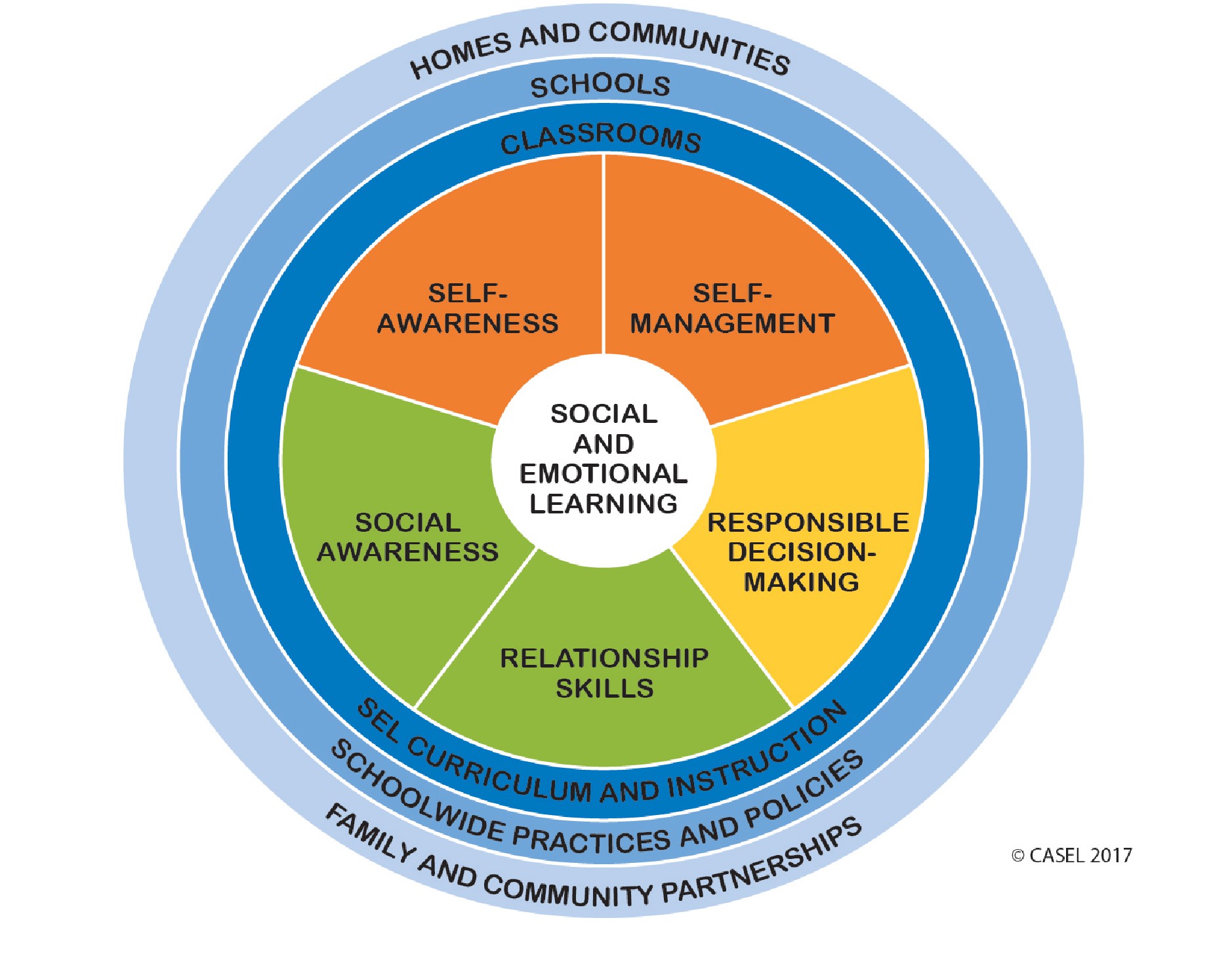
My blog last week, Let’s Talk Meaningfully, focused on how to make your conversations produce more positive outcomes. It addressed becoming a Social and Emotional Leader through communication. There is no question that successful communication draws on your Emotional Intelligence. You need to be aware of your emotions and that of others as you guide and respond. The better you become at bringing your understanding of what is going on under the surface, the more skillful you are. Realizing the obvious as well as the subtle nuances of communication is a core skill we need to develop as leaders.  

But what is “communications?” Although we may never pin down an exact definition, Merriam-Webster says Communication is “a process by which information is exchanged between individuals through a common system of symbols, signs, or behavior,” and it is also “personal rapport.”  Looking at what communication is and isn’t, is one way to describe communication more fully. In What Communicators Know, and What They Must Teach, David Murray shares what he learned from his former boss, Dr. Larry Regan. CEO and Founder of Ragan Education, and reinforced by his experiences. There is an important mind shift to become a true “communicator.” 

A communicator knows that words are not communication – We’ve heard the expression ‘actions speak louder than words”. This is what Murray wants us to remember. Factors such as body language, voice, and our appearance are part of “speaking,” often before we open our mouth. Also, if we’re not careful, these things can influence our analysis and sometimes the judgements we make of the other person which have nothing to do with what is being said. Be aware of what is being communicated without words.

A communicator knows that communication doesn’t simply mean persuading other people to our point of view When that is your aim, you are not listening and the other person will be aware of that. We need to be willing to listen before we try to make our point. This is essential to good communication. Only when you truly hear with the other person says can you even begin to respond.

A communicator often helps in humble, unseen ways – When carrying a message, unless you were charged with repeating it exactly, you can rephrase it if there are trigger words while keeping the meaning. If you see there’s a possibility for communication to be unclear, do what you can to correct that. It is also what you do when you bring a teacher’s success to the attention of the principal or a student’s success to a teacher.

A communicator knows that there has never been a universally shared truth – While there are facts, truth can feel “elusive.” We see the world, and our truth, from individual lenses, and a communicator/leader must be attuned to how others perceive it. Eyewitness accounts of the same event vary. The difficulties this causes have been increasing obvious. To be a communicator, you need to draw people out so they can recognize how they came to their conclusions and to see where shared truths can be used.

And a communicator knows the limitations of communicationSome things can’t be talked through – some things need to be “worked out.” Sometimes you need to stop talking and get to work. Focus on the product. For a library, this can mean instead of sending well written advocacy-based messages, look for ways to be necessary to others. Let your actions speak for you – and then create a well worded follow up.

Communications has its limits and its strengths. When you think of yourself as a communicator you will find more ways to make connections with those around you, and, in the process, you will be a stronger, more reliable leader.

Let’s Talk Meaningfully

I’ve said it here before and I’ll say it again, we need to talk with one another – and do it well. Conversations are integral to how we connect. We are social organisms, and talking with one another is necessary for our survival. No matter that there is text, email, Zoom and phones. For relationship connections to be made, we need to see each other and communicate face to face.

We cannot overlook the importance of meaningful conversation. A great conversation helps build relationships and can make an audience of one or more recognize your value and become an advocate. By contrast, a mismanaged conversation can alienate the person or persons you are speaking with and result in a negative impact on you and your program. When we are tired and stressed, we are obviously not at our best. Those are the times when mishaps – and “misheards” – are most likely to occur. How can we manage conversations that support us and those we are talking to when we are not feeling our best?

From his book Making Conversation: Seven Essential Elements of Meaningful Conversation Fred Dust offers five ways to engage in talks that produce positive outcomes, large and small. They are valuable to incorporate into your daily interactions.

The history of humanity is one long conversation – It’s important to remember how basic conversation is. Conversation is natural to us, and we can conduct aspects of it without words. Hand gestures are part of them. We even have them with those who don’t have words (I’m looking at you, pet owners). It’s how we reach out to others. Think of the first phrases you learned when studying a new language: “Hello.”  “How are you?”   In conversing with others, you may not speak those words, but be sure you are communicating them. They open up possibility.

Silence is an essential component to conversation – Consider those Zoom meetings when people start speaking over each other. Those not competing for airtime, tune out. When you are talking, you are not listening. The pause, the moment of silence, gives you time to digest what has been said and respond to whole idea, not just the piece that captured your initial attention. It also shows you were listening to the speaker which creates additional connection.

Get good at naming – As someone who has always struggled with remembering names, I recognize how important it is to remember as many names as possible of the people you connect with. It tells people that you see them – and are ready to hear them. In a large school, even learning all the teachers’ names can be a challenge since you may not see many of them outside of faculty meeting. It helps if you can “name” something about them. For example, “Janet Quilter” or “Fred Gardner.”  (Interestingly, that’s how many last names were created – and why there are so many Smiths).

Notice change – There’s an ebb and flow to conversations. Be aware of the shifts. Is it moving to the heart of the matter or beginning to fade out?  Is the other person becoming angry or calming down?  If you are using “silence,” you will be more able to tell when this is occurring. It will keep you from saying the wrong thing at the wrong time. It may alert you to the best moment to say something important or that it’s time to wrap up.

When in doubt, make – Instead of “having” a conversation, “make” one. As in your makerspaces this implies you are building something that matters. And you are. You are building a relationship and when you have the conversation in connection to something that is being done, more is created. Ultimately you are adding substance to a relationship and that’s valuable. When we have meaningful conversations we are the creator and maintainer of that relationship.

We are stressed and tired, but we need to ensure that we use conversations to both strengthen us and bolster the ones with whom we are conversing. Sometimes a meaningful conversation with a student or teacher is exactly what we need to feel energized and more productive. As a leader you never want to lose sight of what conversation can do for you and those you support.

Communication – Positives and Pitfalls

Online, in person, via text or via social media, we are always communicating. It is the basic tool we use to form relationships, and relationships are the core of our success. As adults, one would think we would have mastered it by now, but it’s not that simple.

Because our interactions with others consist of multiple levels of communication, there are many opportunities for confusion. Most of the time we successfully send our message in a positive way and that is how it’s received. Other times we are not as successful, and we don’t always know why. What can we do to have conversations that produce the desired results?

What can we do to have conversations that produce the desired results?

Lolly Daskal has advice for business leaders, which applies to all. She minces no words in 9 Dumb Things Smart Leaders Need to Stop Doing Right Now. Here is her list:

  1. Stop talking over people – We strive for active listening, but when we’re excited or concerned we have a tendency to interrupt to get our comments and ideas in. When we don’t listen to others, they stop listening to us. (This is one I need to work on – especially when I’m harried.)
  2. Stop thinking you know best – There are knowledgeable, trustworthy people around you. Just because we know better than anyone how the library works doesn’t mean that others can’t offer something important. Their viewpoint can alert us to something that needs changing. Give them the respect of listening to what they say and the tenor of the conversation changes. You also gain a potential ally. Remember, it’s feedback, not criticism.
  3. Stop creating unattainable goalsWhether working with students or teachers, having a large goal is great, but if the receiver of the message feels it can’t be achieved, they will tune out, you will get annoyed, and your body will communicate that message. Instead, break goals down into smaller ones that do seem attainable. You don’t want your goals to add to anyone’s stress – including yours.
  4. Stop trying to control everythingWhen there is too much to do and not enough time, ironically, we tend not to trust anyone to help. We fall back on “you know best,” and it will take too much time to explain everything. Pause. Breathe. Then figure out how to loosen the reins otherwise you will probably come across as bossy and feel overwhelmed, unappreciated, and tired. When others can help, we inspire new leaders.
  5. Stop taking people for granted Unless we consciously remember to acknowledge people, teachers, administrators and students. When we recognize their worth, they are more apt to recognize ours. Thank people for their time, support, encouragement, and help.
  6. Stop the hypocrisy – Keep your actions aligned with your words. When it comes to the big things, we rarely struggle, but the small things can slip our minds in a stress-filled day. Be aware of the possibility to keep it from happening.
  7. Stop imposing unnecessary rules – Some rules are necessary, but if they are arbitrary and/or make people’s lives more difficult, then they revision – or they need to go. Don’t set rules that make the library less welcoming. Look to create positively stated guidelines that support your Mission and Vision.
  8. Stop criticizing people in public This applies not only to teacher (and administrators) but students as well. Public humiliation is harmful and can have long-term negative effects. Responding too quickly with a negative comment is damaging. Apologize immediately. No matter how well the person appeared to take the comment, the barb stung, and they won’t forget it.
  9. Stop trying to act alone This is most likely to happen when we are guilty of #2 and #4. Daskal quotes the adage, “if you want to go fast, go alone, but if you want to go far, go together.”

We all have fallen into some of these communication pitfalls. Being mindful of them will minimize their occurrences. We need to ensure we send –and receive—messages positively. It builds our relationships and our leadership.

ON LIBRARIES: The Impact of Small Words

The words we choose matter.  They are powerful conveyors of ideas and emotions.  We are aware of the fact when writing Mission and Vision Statements, but we may lose sight of their importance in our more casual interchanges. It’s the little words that can move us forward or trip us up. The words that we use or don’t use effect how we are perceived and received. When we are in a hurry to get to what’s next we have a tendency to drop what used to be called “social niceties.” It results in diminished civility that can cost us in our relationships.

Maybe it’s because we communicate more through texts and other electronic media, but I’ve noticed “please” is disappearing from many interactions. If we are approaching someone to assist them, we probably say, “please,” but all too often when working with others, we are quick to move to “Could you” or “Would you” without introducing the request with “Please.”

A small word yet changes the tone of the conversation. There is a difference between, “Can I have a word with you?” and “Please, may I have a moment of your time?” Once we put “please’ first, it changes how the rest of the sentence goes.  “Please” recognizes you are making a request of someone and acknowledges their right to refuse.  The good news is, when asked politely, most people won’t refuse.  Civility smooths the path.

If you remember to use “please,” it is natural to then say “Thank you” at the conclusion of the conversation. “Thanks” is not quite as good, but both show you appreciate what the other person has done or agreed to do. Either are far better than “great” which is how we too often close our conversations. This acknowledges the situation not the person. Again, a subtle but important difference.

You also want to use “thank you” when having been given a compliment and stopping there. There is a tendency to return a compliment.  This has the result of diminishing the ‘thank you,” as well as the compliment, reducing it into “I’m saying this because you said something nice.”  When you simply accept the praise, you show you value it.

After “thank you” easily comes “you’re welcome.” It’s gracious and acknowledges someone’s gratitude.

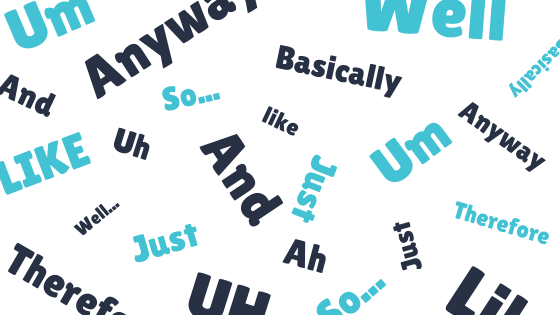
Just as there are words which improve your communication, there are the small words that detract from your impact.  These are the ones we insert unthinkingly and tend to be personal conversation idiosyncrasies. For example, you may have a tendency to use “actually” to introduce something. If you overuse it, it can sound like a contradiction. “For what it’s worth” is a filler that can make it sound as though what you are offering isn’t of value. Listeners may discount what you say over time. Tune into yourself to hear if there are phrases you use repeatedly. 

For other filler phrases (both spoken and written) Grammarly discusses What Are Filler Words and How You Can Cut Them. It’s worth reviewing. The more you eliminate filler words, the easier it is for readers and listeners to focus on the point you are making.

In being aware of and using the social niceties, you show the small touches of caring for others that make people enjoy working with you. It shows that despite the pressures and stress we’re under, you are mindful of what your colleagues and students mean to you. You take the time to show they matter. By dropping filler words, your communication is clearer, and your relationships are likely to be stronger.  You put yourself and your program in the best possible light by being mindful of both.

ON LIBRARIES: Leaders Are Communicators

It’s such a simple statement – “Leaders Are Communicators” and, typical of communication, there’s a wealth of implied information underneath it and a vagueness that makes the statement less significant.  If I wanted to be clearer, I should have titled this blog, “Leaders Are Effective Communicators,” or give you a push by saying “Librarians Must be Effective Communicators,” but even this only scratches the surface.  Most days it feels as though we are in some form of constant communication.  While some are important and significant, much of it superficial. Yet it’s in the daily superficial communication that we lay the foundation for how our important communications are heard.

In our daily interactions we tend to pay scant attention to our verbal conversations and a bit more to the written ones.  Both send important messages about us and our abilities as a leader. We are busy—even harried—which means too often we don’t focus our attention on the person with whom we are speaking. We want to get the conversation finished so we can get on to the next thing. We also want to make certain we get our thoughts in, sometimes even interrupting the other person.

If this sounds like you, it is detracting from your leadership. Leaders must pay attention to others.  They “see” them and welcome their thinking and information. You don’t want your teachers and students to think you don’t have time for them.

We do pay somewhat more attention to our written communication, especially if it’s to an administrator but how often do we check our emails (and definitely our texts) for misspellings and phrasing that may not be as clear as we intended.  The recipients notice.

In her post, 3 More Communication Tips to Implement Today, Diana Peterson-More says, “Clear, concise, and intentional communication is the key to successful relationships — even more so in today’s workplaces, when miscommunication leads to misunderstanding.”  You can never forget that we are in the relationship business. It’s key to developing collaboration and to building advocacy.  It is why leaders need to be effective communicators.

Peterson-More offers the following three tips:

Communicate in different methods or modes – How does the recipient like to receive communications.  We are all drowning in e-mails.  Is sending another one the best idea for the person you are trying to reach?  How long are your emails?  I know I have inadvertently missed important information because I didn’t read to the end of a long email.

In-person conversation tends to be more effective, but even here you must be alert. Is the recipient listening to you or are they too busy to hear what you are saying?  If the information you are trying to impart is important, let the other person know you recognize this isn’t a good time, and see if you can meet at a later time.

Peterson-More observes that some people like to hear the information once while others prefer that you restate it in different words. It’s a good practice to start by making your point succinctly, clearly stating what you want from them, then asking if they want more details or information.  In dealing with students and teachers, going into more detail is sometimes necessary because they don’t have a complete foundation, the information is new.

Check for understanding: Was the communication clear? Was it understood? – Don’t assume your message got through. What seems obvious to us is not always clear to someone else. Even within education, each of our disciplines use different words and phrases.

Be careful about buzzwords.  They tend to blur meaning. My New Yorker Day-by-Day calendar shows a comic of a man doing a presentation and saying, “Enhanced branding metrics drive robust solutions for scalable monetization of jargon.”  I have heard all those words often. Do I understand completely what they mean?  No.  It’s important to speak for clarity not to impress.

When you are the receiver of the message make sure you have understood it. You can restate what you believe you heard or ask for more clarity.  It will ensure that you don’t miss the mark in your response.  You certainly don’t want to misunderstand what a teacher wants to have their students do or what an administrator needs to reach his/her goals.

Use the subject line on emails effectively: Get the message out – As noted earlier, we are drowning in emails. Many of us delete that don’t seem very important without opening them based on the subject line.  Or I open them and do a quick scan – and perhaps miss something.  Use the subject line to grab attention.

Peterson-More suggests including all important information in that subject line.  You can be fairly long and no one will skip over it.  Do you need a reply?  Ask for it there.

Her final recommendation is to change the subject line when a long thread develops.  I have never tried that.  I think if the subject is specific to a meeting time, it might be a good idea, but in general it seems best to me to keep the original one so everyone knows what is being discussed. It can be helpful if a secondary subject has come up and needs people’s focus.

Communication is a pathway we travel every day.  The more we learn about keeping it clear the better our relationships will be.  The better our relationships are, the more likely we will build advocates for our library and realize the vision we have for our programs.


ON LIBRARIES: Word Wise

Our words matter.  Just as our body language and tone of voice send messages we didn’t mean to send, so do our words. Noticing and making a shift takes diligence as we change patterns that have become natural to us. Becoming more aware and mindful of our word choice leads to stronger relationships and greater success for you and your program. And this is true for both the written and the spoken word.

For years, I have been teaching writing Mission and Vision Statements to pre-service school librarians.  I have given workshops on the topic, and invariably, unknowingly, librarians select weak words for statements that need to be powerful and compelling.  When this happens our message gets minimized as a result.

“Enrich” is a common weak word.  It sounds good when we say, “the library program enriches the curriculum” but what the budget-pressed administrator hears is, “It’s a nice extra, but the curriculum will do fine without the extra enrichment.”  And the result? You won’t get funds.  You may even be eliminated.

Surprisingly “support” is almost as weak.  So is “extends.”  You may know your program does this, but how vital does it seem to the administration? Your Mission and/or Vision needs to be under 50 words to make it memorable.  You can’t afford to waste any of the words, and you certainly can’t use words that detract from it.

So what are your alternatives?  “Fully integrated” (or at least “integrate’) implies that something important will be lost if eliminated.  “Essential [to …]” is even better.   While there is no guarantee your administrator will agree, proclaiming it positions you in a far better place in any discussions you have about the library program.  It follows that by writing stronger words, you will use stronger words in your conversation,

In conversation, many of us have adopted phrasing that suggests we are not sure of ourselves.  This is frequently a result of years of conditioning and not wanting to be “pushy.” But these phrases are subconsciously interpreted by others, making them less likely to see us as leaders.

“I feel” is high on my list of phrases watch or particularly when I am in a conversation with a stakeholder. “I know,” which suggests others should recognize the validity of what you said is so much more powerful.  Sometimes “I think…” is a tentative statement.  Other times it’s a more of a pronouncement. You need to be aware of whether you are making a clear statement or trying to avoid having to respond to someone who won’t agree with you.

Unsurprisingly, the business world is also aware of the damage words can inadvertently do. Christine Comaford identified 15 phrases that make leaders look weak She points to what she calls “verbal qualifiers.”  These are her fifteen:

  1. Almost:  I think I’ve said almost everything about that.”
  2. A Little: “She’s a little challenging to manage.”
  3. Sort Of:   I sort of want to do that.”
  4. Kind Of: “I kind of think I will.”
  5. Maybe: “Maybe I’ll call you tonight.”
  6. Just: “I just called to ask how you are.”
  7. Sometimes: “Sometimes I feel…”
  8. May: “I may go to the movies tonight.”
  9. Might: “I might finish that today.”
  10. They: “They think…”
  11. Everyone: “Everyone says…”
  12. Someone: “Someone told me…”
  13. Probably: “He’s probably
  14. As If: “I’m feeling as if…”
  15. Better: “I feel better.”

She explains the problems with verbal qualifiers is that “It keeps us from owning the statement we are making.”  Strong leaders believe in what they say.  They take ownership and invite others in.

As I said earlier, “think” is a word usually indicates you are hiding out and are hoping others will agree with you instead of taking a stand that others can join.  Look at how many of the phrases above have “think” in them. If you use them, how could you rephrase and sound stronger/

Comaford concludes with two big takeaways for us.

Consider your answers to her questions.  Start listening to the words and phrases you use, as well as those used by others around you, and make the changes you need that allow you to speak as a leader.


ON LIBRARIES: Tell and Sell Your Story

This week’s blog is another entry in the ongoing discussion of the art of communication in an age of too much information.  It’s a reminder that data—even the beloved “big data” – is not what will carry the day.  For your message to be received you first must connect in some way with the receiver. Being able to make this connection depends on Emotional Intelligence (EI). EI is now recognized as a major factor in success in school and beyond, which is why so many schools have incorporated Social and Emotional Learning (SEL) into the curriculum.  The Core SEL Competencies are the same as those used to define EI.

Although you are probably incorporating SEL into your instruction, you may have not integrated it into your own advocacy program.  Emotions underlie all our decisions whether we are aware they are at work or not.  The more conscious you are of your emotions and those of the people you are speaking with, the more likely you are not only to be heard but to inspire action.

If your words have not yet penetrated the wall your listeners have built, Lisa Rabasca Roepe gathered These Techniques from Professional Speechwriters That Will Help You Get Your Point Across.  She presents seven ideas which are highly applicable to what you need.

Personify Your Data – Generalities contain no emotion. People hear them and can’t repeat them five minutes later.  If you want to discuss the problem of aging resources, don’t lead with a Titlewise collection analysis. Talk about a student who used out-of-date or incorrect information because the book she chose was twenty-years-old.  Or you can take one of those aging books and say, “Imagine what would happen if David (use a name to make the example more personal) was doing research on planets and found this book discussing Pluto.  If he researches what is known about Pluto from this book and other sources, he never discovers that Pluto is no longer considered a planet until after he turns in his assignment.” The story, focused on a single individual, captures attention.  You can then follow up with your collection analysis.

Know Your Listener – Be mindful of your listener’s attention span.  In my experience, principals have so much on their plate, they have a very limited amount of time to hear you out.  Get to the point quickly.  If they want more details, they will ask. When I would set up an appointment with my principal’s secretary, I asked for ten minutes and was prepared to finish in five – and leaving the data at the conclusion of the meeting. It made it much easier to continue getting appointments as I needed them.

Be Personal But Not Confessional – It’s always easier to connect with someone you feel you know.  Include some relevant stories of your experience. The most important word here is “relevant.”  The story about yourself should connect to and reinforce what you are discussing (such as my principal story above). Try to avoid topics such as politics, religion or others that lead to heated, not connected, dialogue.  It’s also best to steer clear of serious personal issues such as illness or loss, lest it seem like a bid for sympathy.

Be Specific – My husband reminds of this all the time.  He asks me, “Why are you telling me this?”  “What do you want me to do about it?”  We tend to slowly edge up to our request.  By the time we get there, our listener has tuned out. Don’t say, “I know you have seen our Makerspace and liked what the students are doing.”  Go right to what you want. “It is time to take our Makerspace to the next level.”

Aim for a Home Run – Play big.  Go for what you really want. The big idea captures attention.  Having done that, your back-up plan is likely to be approved, possibly with additional modifications.  If the issue of money is raised, you can offer ways to do your idea in stages or cut back somewhat. And your principal will know that you have big ideas that may well be used to showcase the school.

Re-enact Your Story, Don’t Just Tell It – Suppose you are trying to convince a teacher or administrator that books in the library shouldn’t be leveled. Don’t cite articles on the subject.  Make it personal by putting a face on the issue. Talk, for example, about Darrin, a boy who has hated reading. Last week he found a book in the library on his favorite baseball team, but it was below his reading level. You decided to break the rules and let him take it out.  Now he is reading so much more, and although he still wants books below his Lexile level, he’s more likely to improve because of this change.

Build a Story Bank – Be aware of the power of story and the emotions they carry. Keep track of incidents and moments that happen in the library which you can use at some later date. This may seem odd at first, but the more stories you collect, the more you will notice.

You can tell teachers, administrators, and others how important the library is, but, as you well know, that doesn’t mean they will hear you.  Bring story and the techniques of speechwriters to grab your listener’s attention, hold it, and get them to take action.