Leaders Show They Care

Watch the news the news or scroll through social media and it’s quickly clear that everyone is feeling stressed, overworked, and underappreciated. As librarians, we not only feel, but are actually under attack as well. Our jobs, our collections, our programs are under some intense scrutiny. Fortunately, there’s an unexpected tool that can help – Caring.

Sometimes the best way to deal with the negative emotions is by helping others. Our students need their teachers and librarians to bring our best selves each day, no matter how difficult. When we start by remembering how important and impactful the work we do is, we can tap into the power of connection.

In her blog article, The duty of care: How leaders can anchor teams in turbulent times,  Julie Winkle Giulioni presents seven ways to show caring in the business world. Here they are her seven, along with my adjustments for their application to the school setting.

  1. Benevolence– Make time to know what others value, what they care about in their school and personal life. Your interest in them opens the door to sharing and easing a burden they were carrying on their own.
  2. Trust – As I have often said, trust is the foundation of relationship, and as a leader you must build these relationships. Trust can come from keeping your word as well as keeping confidences. What a teacher may have shared with you is not one for you to share with others unless you have been given permission.
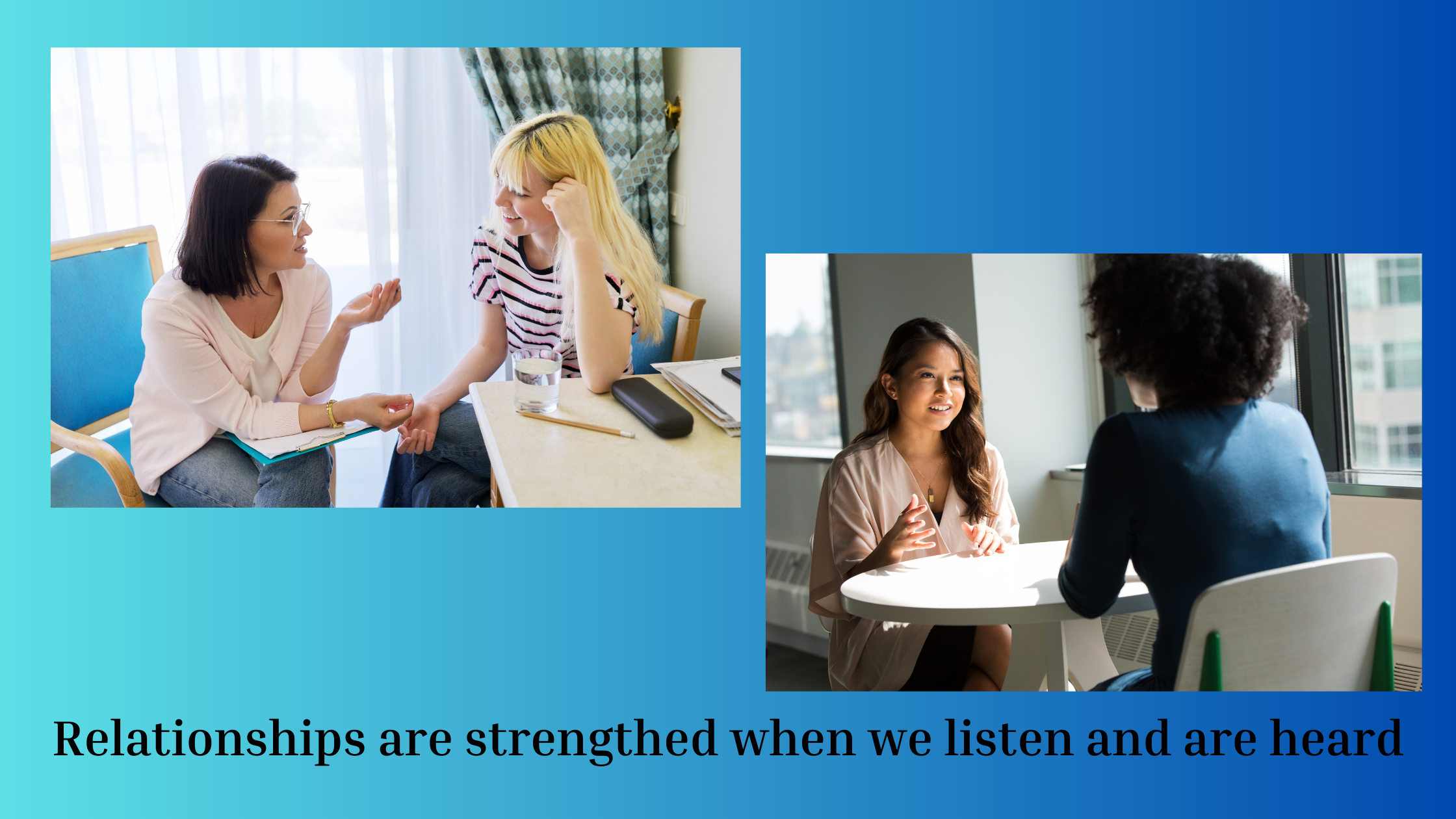
  3. Respect Giulioni says this is about how you listen. Listening is a core skill in leadership.

You honor the other person’s journey and don’t jump to judgement if you don’t agree with their path.

  • Empathy – When teachers allowed you in on their worry and pain, let them know you care. You can share a similar pain, but don’t try to top theirs.  This isn’t a contest.
  • Communication – You show your caring by how you speak to students, teachers and, yes, administrators. According to Giulioni, you do so by welcoming their perspective and accepting their emotions. I would add the importance of tuning it to what is communicated in their body language. People sometimes mask their emotions on their faces, but you can often pick up what they are feeling by the way they are standing and subconscious hand movements. Pick up on these and ask about them if you notice something isn’t right.
  • Vulnerability – In this case, it doesn’t refer to over-sharing. Giulioni says it means admitting when you don’t know everything and when you have made mistakes. We are all human. Show your human side. It give others the space to do the same.
  • Support – You are in this for the long haul. It isn’t a one-time thing. Follow up on your conversations. Ask how things are going when you know there’s been a problem. Offer to help if they need it.

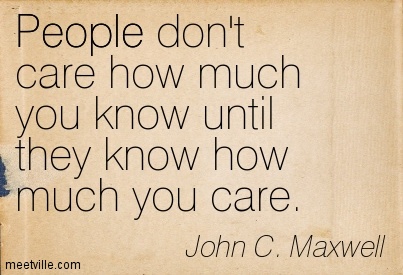
We are going through tough times, but I have always held on to the mantra, “This will change.” Nothing stays the same. Bad times become better, and good times go bad. But even when we can’t control what happens, we can control how we deal with it. What you do now will impact your relationships when times get better. Stay connected with people. In the words of Theodore Roosevelt, “Nobody cares how much you know, until they know how much you care.” Leaders care about others.
What is Your Body Saying?

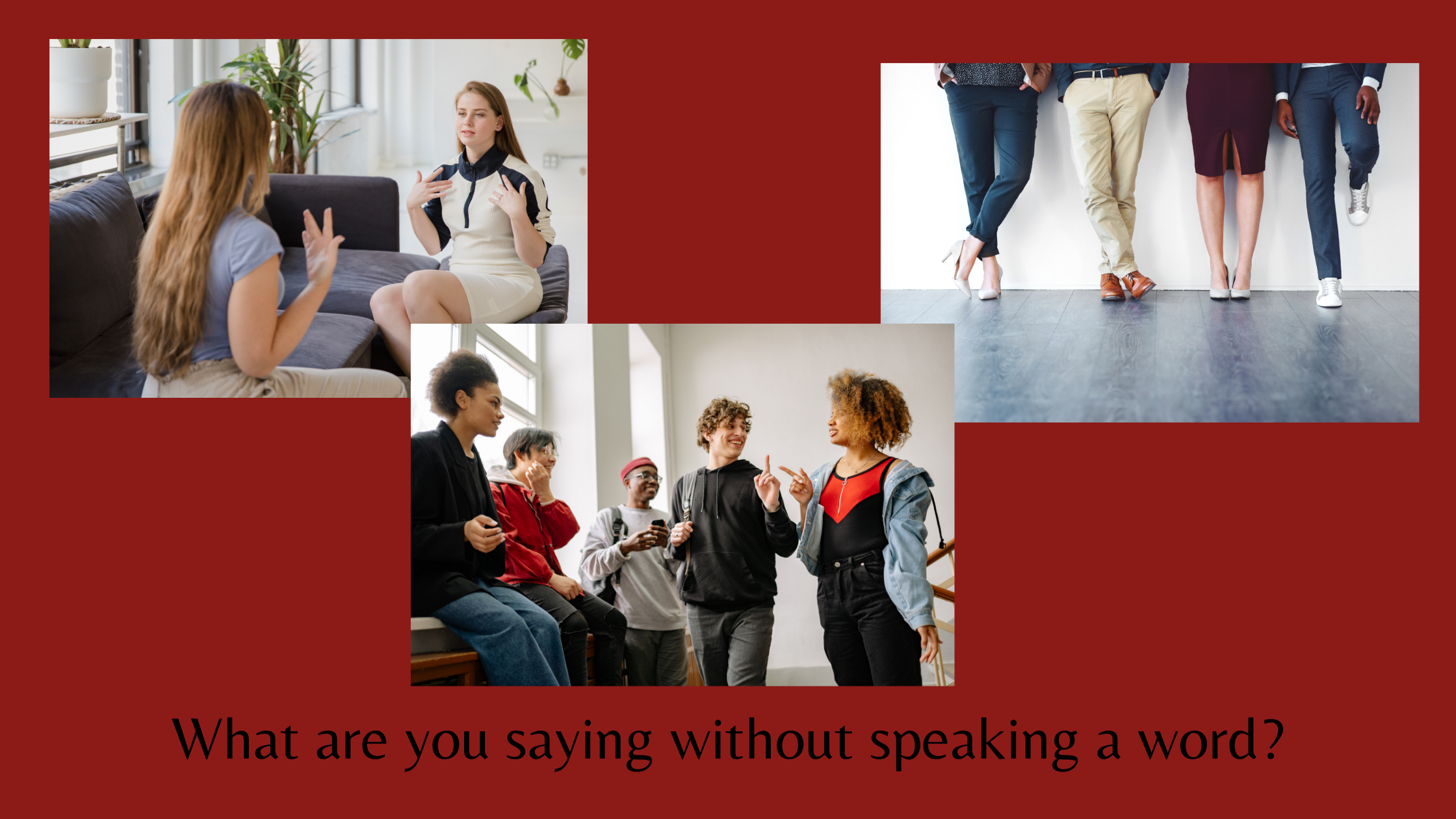
We are in constant communication. When alone, we communicate with ourselves by what we’re thinking, whether it’s a negative assessment, a positive mindset reframing, or a review of what is next on our to-do list. But non-verbal communication happens as we interact with others. And all the time.

A teacher greets you in the hall. At a barely conscious level, you access your history with them. Do you have a good working relationship? Is there one you are trying to establish? Have they been resistant to your previous outreaches? You also note how they look. Upbeat and happy? Tired? Annoyed?

While you are receiving this non-verbal message, the teacher is receiving your non-verbal message. Do you know what your body is saying? All of this occurs mostly without conscious thought, but that doesn’t make it less impactful. And when you begin talking, these non-verbal messages affect the response you are likely to get.

 As a leader, it’s important to be aware of how and what you communicate. I wrote about the many types and ways we communicate in my book, The Art of Communication: A Librarian’s Guide for Successful Leadership, Collaboration, and Advocacy (Libraries Unlimited, 2022) (currently less expensive in print than in Kindle!). I addressed our library world, of course, but the business world is also discussing the importance of understanding the many channels of communication we use.

Cheryl Robinson tackles the topic in her article, “What Your Body Language Says About Your Leadership Impact.” She notes, “Research underscores that body language has a greater influence on perception than verbal language alone. Positive, consistent body language reinforces trust and authority, while incongruent or negative cues may lead to misinterpretation or distrust.” Robinson goes on to detail how and what you are communicating.

Key Elements of Leadership Body Language

  • Body Movement – How are you sitting and standing? Fidgeting doesn’t send a leadership message. Sit up. Hands relaxed. A meeting with your principal or an upset parent is the most likely time to stay aware of this.
  • Posture – Shoulders back. Don’t slouch. It sounds obvious, but if you are not conscious of where your body is in space, you may he hunched over or low in a chair without realizing it.
  • Facial Expressions – Looking interested is important, but don’t overdue do it. Be animated, but not false. Faking it can be seen and negatively interpreted.
  • Space/Distance – Each of us occupies a physical space that extends beyond our body based on our size and culture. Too near is intimidating. Too far shows disinterest. Be aware of what you are doing and the (dis)comfort of those around you.
  • Gestures and Eye Contact – Open gestures are inviting, but too much gesturing is distracting, taking away from your message. You’ll seem frenetic and anxious. Maintaining eye contact shows trust and confidence (although be aware of cultures that consider it intrusive). Smiling genuinely is always positive.

I’d also add to this list: Listen attentively. Pausing before responding shows you paid attention to what was said.

Think of the best leaders you know. What do they project? How do they do it? Robinson states, “Maintaining a strong yet inviting presence is essential to conveying leadership effectively.” As leaders and librarians, we are in the relationship business. Being aware of what we are communicating enhances our ability to build these relationships. Know what messages you are sending and become a more effective and connected leader.

Your Body Is Talking – Do You Know What It’s Saying?

We are communicating constantly. Because our communications go beyond what we say, write, and text, in my book, The Art of Communication: A Librarians Guide for Successful Leadership, Collaboration, and Advocacy (Libraries Unlimited, 2022), I devote a whole chapter to the “Silent Messages You Send.” We can never forget that our bodies speak for us as well.

Our posture, the position of our arms and legs, and the full range of our facial expressions are all conveying a message. Most of the time, the non-verbal message is, hopefully, aligned with what we are saying. Sometimes it isn’t. When we are uncertain, we are prone to sending mixed messages which can push our audience away and inhibit trust.

Those mixed messages are more likely to occur when we are giving a presentation. Whether we are teaching our colleagues about a new tech app or speaking at a state or national conference, we are nervous. We might have some stage fright. The Imposter Syndrome kicks in. And now you are facing your audience. If your body is apt to be telling your audience how uncertain you are, you won’t be able to get your message across as clearly as you want. This is where practicing in front of a mirror or even taking a video can help. Be honest about what you see and soon you’ll be more comfortable.

One of the things that can benefit your ability to connect with whomever you’re speaking to (whether an individual or a group) is supporting gestures that correspond with what you are saying. Is learning this worth the effort? It is according to Frankie Kemp. In his blog article (you’ll need to sign up for SmartBriefs to read it), he describes these seven Unexpected Ways That Gestures Can Up Your Leadership Communication:

  1. Become more trusted – Based on studies, including an analysis of TED speakers, those who used gestures were trusted more, People saw those who didn’t use them as cold and logical. You would think being logical would be good, but audiences want and need to connect to speakers. Additionally, I think they are also reacting to that mixed message. Your body is indicating uncertainty and stiffness. The message becomes: Why should they listen to you?
  2. Dispel nervous energy – Hand gestures that correspond to your message give you something to do to keep them from shaking. Meanwhile your messages are in sync.
  3. Be more succinct – You won’t need as many words when your verbal and nonverbal messages are in accord. This gives you more time to interact with your audience, improving the quality of your presentation.
  4. Increase problem-solving capacity – Suppose someone in your audience asks a difficult question. One of the easiest ways to draw on your expertise when you answer – is to move. According to Kemp, studies show we problem-solve better when we move. While you are doing so, you are also taking in more of your audience and maybe standing more directly in front of the person who asked a question, making them feel seen.
  5. Increase your self-confidence – In another study, it’s been shown that positive posture (head up, shoulders back, spine straight) not only affects the viewer but has an important impact on the speaker. Testosterone goes up and cortisol (stress hormone) goes down; your self-confidence automatically lifts. If this feels new or uncomfortable for you, practice your posture-pose before presenting. You might want to do so before a meeting with your principal, too.
  6. Achieve more credibility and presence – Kemp points to research showing those who use hand gestures and had more frequent eye contact with the audience (as opposed to darting around) and were more trusted. From what I have experienced, it is also because the gestures send the same message as the words.
  7. Be seen as fair – When making eye contact, don’t focus on the same few members of the audience. That can send a message of excluding people. According to Kemp, it can even be seen as a micro-aggression. Allow your eyes to sweep the attendees, resting on different people each time.

As a leader, there will be many occasions when you must speak professionally and when it’s important that your message be received. Whether before an important individual or a group of teachers, parents, or fellow librarians, you need to become comfortable in these situations. Be mindful that you are always communicating and work to send the consistent, clear messages you want.

I Hear You

We know the importance of building relationships. While you can start making the necessary connections by emailing websites or apps that might interest teachers, the action that results in collaboration or cooperation doesn’t truly begin without face-to-face conversations. How we handle these in person interactions can speed or derail the process.

Just as a bad wi-fi connection can interfere with hearing what people are saying on a Zoom call, the way you respond to the teachers can prevent you from hearing them – and prevent them from reaching out to you in the future. You may think you are offering help and support, but that is not what is being communicated. What can go awry and how can you prevent it?

In my book The Art of Communication, I discuss the importance not only of active listening, but being aware of the non-verbal signals you are sending when you speak with someone. Similarly, in his blog post, How to Make People Feel Heard, David Burkus recommends four ways to improve your connections and relationships. He starts with active listening then offers three other usable skills.

  1. Model Active Listening – We know how important this is, but in the moment some of us, me included, get so caught up in wanting to respond, we plunge ahead. So much for active listening. Nodding and gesturing helps, but make sure your gestures aren’t expressing “Hurry up and finish, I have something to say.” Remember, our body language speaks volumes. What can help is summarizing what you think you heard them say. Give them the space to point out any parts you may have misheard or misunderstood. This ensures any further response doesn’t include false assumptions.
  • Praise the Contribution –Burkus says, even if you disagree, let them know you appreciate their willingness to share the information or their opinion with you. Identify any points which you agree with. By showing you respect what they said, you open the way for them to take in your response. It also alleviates any tension that may be building up. This is especially powerful when the interaction occurs at a meeting, and we have an audience. Our interactions with the speaker, usually unconscious, show others how you treat people. You could be inadvertently preventing other relationships from building.
  • Challenge Assumptions, Not Ideas – In these contentious times, it’s so easy to speak out against the ideas being stated. Instead, Burkus recommends you focus on the assumptions that underlie them. This way, you are more likely to discover the thinking process that lead them to develop their ideas. You can ask questions about the assumptions. If you can, point out where there is additional information that conflicts with those assumptions, but keep it factual and as emotion free as possible. Identify any areas where you have common ground, such as, “we all want our students to be successful.”
  • Questions Before Advice – Just as we want our students to feel safe in the library, our relationships with teachers depend on how safe they feel with us. Asking questions to determine where they want to go shows we want to go on this journey with them. They might not be asking for advice. Once you know what they are looking for, then you can offer support. I once had a teacher who wanted her entire ninth grade class to research Galileo. Rather than say, “Are you kidding me?” I asked what she wanted by having the focus be on Galileo. Her response that she wanted them to see the scientific method in action led me to suggest the possibility of having them choose from a list of scientists to report on how scientists’ work showed the importance of the scientific method. Once she knew I was listening to and understanding her goals, she was willing to diversify the assignment and used Galileo as a model when she introduced the assignment.

These same rules apply when we’re building our relationships with students. We need to pay close attention to discover what they are saying if we want to truly respond to their request and make them feel safe and welcome. Be sure that the student who you thought asked for help in finding out about euthanasia wasn’t looking for information about youth in Asia.

Our leadership is always about relationships. We need to continually learn how to build and maintain them. It’s a skill that requires lifelong learning – with lifelong benefits.

Your Body Is Communicating

We are constantly communicating. Often, we are having multiple conversations at the same time (ever have two messaging apps open?). Even when we are alone, we have conversations in our head. Sometimes innocuous (what to make for meals for the week), other times critical (reviewing our goals and what steps to take next). And then there are the conversations we have that support or contradict what we are saying – even as we say it.

Body language is one of our most basic and effective communication tools. Animals use it to communicate fear, aggression, and attraction. They bristle, they intimidate, they puff up, they nuzzle, they cower in submission. And in many ways, we do the same. When you come in contact with someone, you immediately identify whether or not you know the person. Whether your connection is positive or negative, you read their body language and make some assessment of what is coming. You respond with your own body language. Not a word is spoken, but communication has occurred. And all of it happened below your conscious recognition. What is said next may reflect an accurate reading of the other person—or not.

And if your body is saying something you don’t want or mean to communicate, problems may result. As a leader, it’s important to be aware of the message your body is sending how almost all of your body is used in this conversation: your face (lips, eyes), arms (shoulders, fingers), posture, and, if you are seated, your legs.

Your body is doing a lot of communicating. In How Your Body Language May Be Causing Your Team to Disconnect, Stephanie Vozza reviews different ways you may be unknowingly communicating, and how to avoid sending the wrong message. Which of these might you be doing?

  • Leaning in or leaning back – When we are seated and lean in to speak or listen, we show interest. If we lean back, it conveys dislike. Vozza says this behavior can reveal your unconscious biases. Take note of where your body is.
  • Turning away – When you are standing and slightly angle your body away, you are sending the same message as leaning back. It can also suggests you want to leave the conversation. The reminder from Vozza is “respect is shown belly-to-belly” meaning front of the body facing the front of their body. Eye contact matters as well.
  • Allowing interruptions – We often do this inadvertently with students. When an adult comes into the library needing something, do you turn from the student to deal with it? By asking the student to wait, even if it is to tell the adult you will be with them in a moment, suggests to the student that they are not as important. If the adult needs appear to be urgent, let the student know you will be back as soon as possible. Ask them to wait. Then, come back as quickly as possible. And apologize for the interruption.
  • Doing the opposite of your words – When you are saying one thing and your body is saying something else, the mixed message will affect how others see you. For example, you can lose someone’s trust if you are saying you’re willing while your arms are crossed in front of you. Losing trust affects the relationship, and we always want to keep our relationships strong.
  • The only way to control your body language – It’s all in your mind. Vozza says you can’t fake it till you make it. Change your mindset – and mean it. Forcing yourself to hold a positive thought won’t do it. You have to believe it. Focus on something about the person or issue you can believe. It will take practice, but the effort is worth it.

You have countless dealings with others in the course of your day. Each interaction is an opportunity to show you are a leader, and one important quality of leadership is Integrity. Keep your words and your body language in agreement. The stronger and clearer your communication, the more you will build trust and relationships.

What Is Your Body Saying

Our silent communication is often louder than our verbal one, and it’s not always saying the same thing as our words. Or what we want. The mixed messages we send can cause people to not trust you, not feel included, or not worth your time. And since our relationships are key to our success, making sure there’s cohesion in what we are communicating is important.

Body language communicates what we are thinking – even if when (especially when) we’re not aware of it. Whatever mindset we have about an interaction is on display for everyone to see in our body language. It includes voice and tone as well as the positions of our body.

For example, have you ever had a situation where a class you “know” to be difficult lives up to your expectations? There’s a chance you were partially responsible for this. How did you sound when you greeted them? How were you holding your body? All of these tell the students you were sure they were going to act up. And then they do. But, if you prepare yourself and change your mindset, you can get a different outcome. For example, you can think of the students as highly energetic rather than troublesome. Most of the time, along with a good lesson, it will work.

Your body language also comes into play when you are at a meeting. There are many reasons you might not be fully engaged, but if you learn to recognize and control your body language, you can prevent sending negative messages. Lolly Daskal in Seven Cringeworthy Body Language Mistakes Leaders Make During Meetings provides basics you need to know as a teacher and leader to become more aware of any unconscious communications you are making.

Unengaged Posture –Slouching sends a message that you are tuning out. When meeting with a group of teachers, doing this while they discuss matters related to them before or after your presentation says you aren’t interested in topics about their workday. Or to put it another way, you only want to “sell” the library.

Lack of Eye Contact – This is much like the unengaged posture. It gives the impression that you have tuned the speaker out. Eye contact is often associated with honesty. As Daskal notes, it’s not that you stare at the speaker, that wouldn’t be natural. Indeed, it could be seen as trying to intimidate or disparage the speaker, but you do want to make regular eye contact and not be looking off elsewhere.

Drumming Fingers – Although usually done unconsciously, it sends an obvious message of boredom or impatience. It’s an almost stereotypical but clear sign of being disengaged.

Looking Distracted – Daskal puts is well: If people don’t have your full attention, they won’t give you their full respect. How many faculty meetings have you attended where people are checking their phones? When you are with other people, this is when it is key to stay engaged. Take notes. Ask questions. Be involved.  

Crossing Your Arms—A classic way of shutting down by visually and physically closing yourself off. When kids do it, you know they don’t want to hear you. You are saying the same thing. Possibly accompanying it with drumming your fingers.

Fidgeting—Let jiggling, toe or pen tapping, continual shifts in position or slouching from one side to the other. You may not even be aware that you’re doing it, but if you are, it’s signaling distraction and lack of attention. Daskal suggests if it’s your response to nervousness, seek a coach to help you.

Multitasking—Many of us multitask on a regular basis, but it’s important to shut down that impulse anytime you are in a situation where relationships can be built. Not only does it send the wrong message, but studies show that it’s inefficient and it sends a message that other things are more worthy of your attention.

How many of these do you do? As you start recognizing them and preventing them from occurring, become aware of the messages others are sending. It will help you to better respond to them. Make sure your words and body match the message you want to send to build stronger relationships with students, teachers, and administrators.

ON LIBRARIES: Being Charismatic

According to John R. P. French and Bertram Raven there are five types of power. The fifth type, which they call Referent Power, is the power of charisma. Different manifestations of power can contribute or detract from being a successful leader. Charismatic leaders are very powerful, but as history has shown, they can use their power for good or ill. You have undoubtedly encountered charismatic administrators and teachers in your schools.

Watching these people in action is amazing.  Everything around them seems to flow so smoothly. People—students and colleagues—respond to them easily, and things get done apparently effortlessly.  While it may be true that some people are naturally charismatic and born leaders, all is not lost if you don’t have the ability naturally.  You can learn to be a leader, and you can learn to be charismatic.

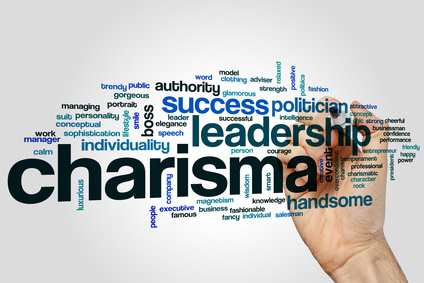
Charisma is a rarely discussed soft skill, but as with many soft skills, it is more effective than knowledge and skill.  When combined with knowledge and skill, it results in great leadership.  You have the skill sets, now build your charisma.

Loue Solomon explains 6 Ways to Learn to Radiate Charisma If You Don’t Have It at First. If you click to the article, you’ll read that it’s directed to the business world, but the method works very well for us.

  1. Be attentive – This advice keeps recurring because it’s vital, and we don’t always do it well or consistently. When someone is speaking with you, are you thinking of the next thing you have to do? Sometimes we are stopped at an inopportune time, and we are twitching waiting for the person to complete whatever they have to say so we can get on with what we were doing. They will get the message. Why should they want to be with you when you have no time for them? Instead, be honest. Tell them you want to hear what they have to say but now isn’t a good time then let them know when you can listen more attentively.
  1. Recognize humanness before rank Although phrased in terms more suited to the business world, it applies to us as well. There is a hierarchy in schools, and some of us lose opportunities to build important relationships when we react to people based on that hierarchy. You are working with a student and a teacher comes in with an important question. How you handle this will speak volumes to the student. Rather than telling the student to “wait a minute,” address the teacher and ask for a minute or two to complete with the student.  A variation on this is when an administrator comes in while you are working with a teacher or student.  The one you are with deserves your attention.  If you have to wrap it up quickly, show you know and will be back to check if there are any questions. 
  1. Draw people out- Be curious about others. Compliment them on something you admire or notice.  Ask questions. People enjoy talking about themselves.  When they do, a connection forms—as long as you are listening. The more you know about someone, the more you know and understand their wants and needs.  Knowing that helps you meet them better and they come to appreciate and value who and what you are. 
  1. Notice your second language–By now you are well aware of the messages you send (and receive) non-verbally. Smiling is always a welcoming invitation to others. It doesn’t mean you have a broad smile all day long. It would look ridiculous. Rather, have a soft smile as you walk the halls and as you work. Then when someone approaches you, your smile widens in welcome. You look the person in the eye, letting them know you are focused on them. With the smile on your face, as long as your mind isn’t going elsewhere, your body will follow in extending the welcome. 
  1. Show strength in your vulnerability–This is tough. It feels risky because it can be, but it’s about honest human contact. Share personal stories as appropriate. It opens the avenue of communication. Whether the stories are funny or show a mistake you made, it shows others you are human. Not perfect, but open to always learning. 
  1. Never try to fake it–When you are interacting with others, faking it never works and it will result in the opposite of what you are trying to achieve. Becoming charismatic is not about manipulating people. It’s about connecting so you can work better together and accomplish more.

Practice these steps in your personal life as well.  Charisma should not be something you just turn on at work. Make your life easier – radiate charisma. And I’ll trust you to use your power for good.

ON LIBRARIES: Managing Confrontation

No matter who or how you are, at some point someone is going to get angry with you.  How you respond is a demonstration of your leadership skills. Your ability to manage the situation will affect your relationships and possibly your reputation. The “attack” can come from any direction –a teacher, and administrator, a student.  There are basic strategies to deal with all of them as well as some specifics. Knowing these in advance will help you through a stressful situation and potentially result in a positive outcome.

When someone comes to you angry at something you supposedly did, pause before responding.  Let the other party fully express themselves. That is likely what they most want. To be heard.  As they talk, take time to breathe.  Depending on your personality, your natural response will be to attack or defend and neither is a good solution. It will only escalate the confrontation.

My favorite example of diffusing a nasty interchange occurred when I had started a new position as the high school librarian in the early days of automation. A teacher stormed into the library and began haranguing my clerk.  I stepped in immediately and asked the teacher to come into my office.

The tirade slowly ended. In between the “how dare you,” and “you had no right to,” was the core of the complaint which stemmed from a system the previous librarian created. My first thought was, “I just got here. It’s not my fault.”  Rather than engage that way, I let her know I would fix the problem as soon as possible.  I also consciously relaxed my body during the conversation. This added to my personal sense of calm and allowed me to stay focused on the teacher’s concern.   By dealing with the message rather than the method of delivery, I was able to calm her and fixed the situation. Ultimately, the teacher became one of my strongest supporters.

On another occasion, the confrontation wasn’t loud, but it was challenging.  In the late ’90s was the leader for the district librarian and was meeting with the assistant superintendent who began by stating my repeated requests to flexibly schedule elementary librarians was ludicrous. He had observed one lesson where the librarian used a filmstrip on how a book is made starting with a tree.  He felt a classroom teacher could have done the same, and it was a waste of valuable time.

Once again, the person on the attack had a point.  I agreed it was an unfortunate lesson, and my agreement took the wind out of his sails.  He was prepared for an argument.  I said it showed we needed proper professional development opportunities so we could deliver the program students needed.   I earned his respect for that one.

My recipe for managing confrontations:

  1. Pause
  2. Listen to the whole complaint/concern without contemplating your response.
  3. Use the time to relax your body and calm yourself.
  4. Respond to the core of the issue.

Anne Rubin authored a post on The Principal’s Guide to Angry Parents which contains good advice for librarians as well.  Her recommendations are similar to my own.

  1. Stay Calm – Meeting anger with anger is a guarantee you will lose.
  2. Cut It Off – Recognize when the person had gone beyond acceptable limits. Change your body language. You can raise your hands to indicate, “stop.” Then try something like, we can’t resolve this now.  I will get back to you on the issue.  Using email will help you document the interchange if necessary.
  3. Protect Others – I stepped in quickly when the teacher was berating my clerk. You are the leader. Any problems are your responsibility.
  4. Don’t Take It Personally – It rarely has anything to do with you. It’s usually a situation that for some reason has frustrated the teacher or administrator at this time. Find the reasons and you’ll be able to change the situation. This is usually is true for why a student became angry with you.
  5. Know When Enough Is Enough – This is very much like Cut It Off. You can say, “This is not the best way for us to deal with problems. Let’s find another approach.” Your composure could make them angrier if they’re not ready to work with you and still want to be mad or right, but if you maintain it, you will bring the discourse to an end.
  6. Create Guidelines for Behavior- Rubin suggests principals create guidelines for others’ behavior. Since you can’t do this, you can do it for you.  Be aware what your limits are so you know when to “cut it off” and when “enough is enough.”

Most people don’t enjoy confrontations, but we all get caught up in them. The only thing you can control in this situation is you so the more tools you have, the better. Look to understand what is fueling the other person and how to tone down the rhetoric.  People will come to realize that you know how to manage these stressful interchanges.  It makes you more trustworthy and demonstrates your leadership ability.