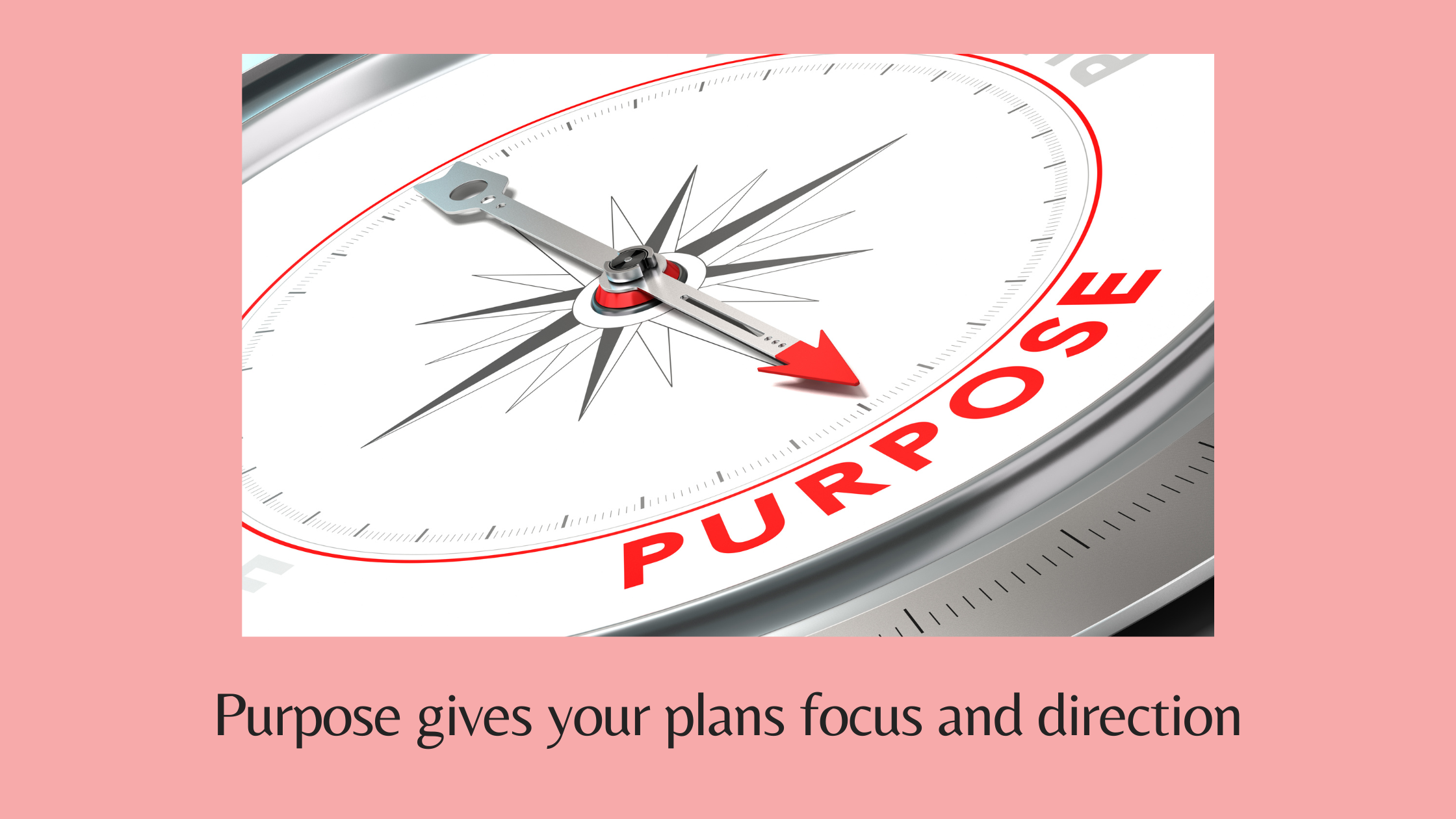
A Purpose Driven Life

If you are like most people, you constantly feel as though you are being pulled in multiple directions at once. You are probably tired and overwhelmed if not always at least frequently. It’s not healthy, and it harms you and the people you care about who count on you. It can also shorten your life. So what can we do about it?

The question posed in the Harvard Health Publishing post, Will a purpose-driven life help you live longer? has a clear answer – yes. You may not know your life purpose, but you do have one for your work as a librarian. It’s your Mission. Your ‘Why’. My purpose, as an educator and a librarian is: “I reflect back to others their greatness, and, when appropriate, help them manifest it in their lives.” And I live this in my weekly blog where I talk about how you are vital to the students, teachers, and administrators, when I teach at the graduate level, and when I present at conferences around the country.

In his blog post, The #1 reason people fail at their life plan, Denzell Leggett explains why a life purpose is important, why people don’t have one, and offers his suggestion on getting one. Following are the three non-planning patterns he identifies and the answer he proposes along with my comments to make this more meaningful for you:

  • The Flywheel Hamster equals Fake Plan, Fake Hope – The hamster image conveys how many people see their lives. You keep moving but get nowhere. You are basing your plan on what you think you should do. When you realize you aren’t getting results, you change the plan but still are drawing on the expectations of others. So you are not really planning you are reacting.
  • The Floating Dandelion equals No Plan, Misguided Hope – Again the image reveals how you are moving through your life – a dandelion seed floating on the wind. Leggett says people who plan like this are relying on “luck, peer influence, media trends or family tradition to guide them. They chase whatever sounds good or seems easier in the moment.” The wind changes, they go in a different direction. It’s not plan and, once again, it’s all about reacting.
  • The Head-in-the-Sand Ostrich equals No Hope, So No Plan – Why bother if it’s not going to work. We see everything as out of our control so we move forward without a focus. When things are hard, sometimes it seems best to not be noticed even though we have learned that’s not a solution. No matter what is out of control, we can choose how we respond. That response might be the beginning of a plan.

So, if this doesn’t work, what can you do?

  • Transformation is the way out – Leggett says, “The key to destiny control lies in transforming one’s mindset, beliefs and actions to develop assured belief…[and] you must see yourself as the leader of your life. Your destiny depends on it.” He gives no advice on transforming your mindset, but a first step can be to take time to focus on what brings you joy. At work, at home, anywhere. What are you passionate about? List these things, add to it whenever you can. Your true life purpose will emerge. Once it does, as with your library Mission Statement, write it down, save it on your computer, print it out where you can see it and memorize it.

You are a leader in your life as Leggett says. You are also a leader in your school and library. Take time to get clear and discover your purpose. It will help you have the clarity to make a plan that supports that leadership, that supports your dreams, and enriches your life.
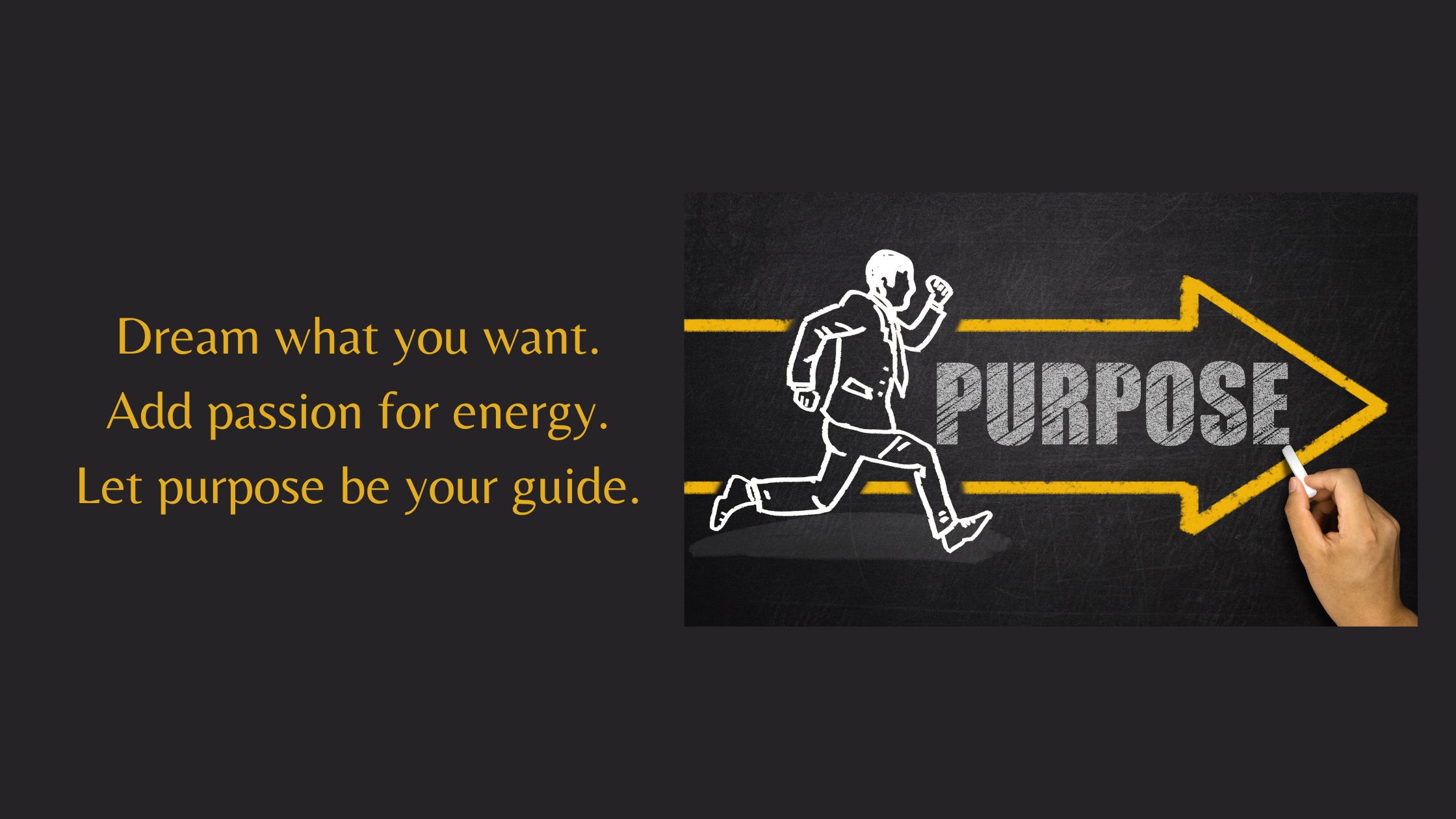

Put Purpose in Your Journey

Famous American baseball coach Yogi Berra once said, “If you don’t know where you are going, you are going to wind up someplace else.” It sounds funny at first, but there is truth. First, you need to know where you want to go if you have any hope of getting there. Some people like the “Dream it and do it” concept, but dreaming has an amorphous quality makes clear action tougher. In addition – what if your dreams have nothing to do with working?

So what can help us reach our goals? In my experience, clarity of purpose is the best guide for where you want to go and what you need to do to get there. I once clarified and wrote my purpose which is: “I reflect back to others the greatness I see in them, and, where appropriate, I help them manifest it.”  I want to support more people (specifically librarians) being the leaders they can and need to be. As for the doing, I put this purpose into action in my blog topics, in the amount of curation I do on leadership, and is intrinsic to the books I write.

My view on purpose is echoed in LaRay Quy’s blog article, 4 Reasons Why “Follow Your Dreams” Is Terrible Career Advice. As she notes, following your dreams is more likely to lead to you to spending your life searching for happiness and jumping from one career path to another as your dreams change. In real life, happiness is something you find at the end of a rainbow. It comes from within as you reach the goals you set for yourself.

Here are Quy’s four reasons:

  1. Follow dreams, passion or purpose – Quy observes it is easy to see these three approaches as being the same, but they are different. Dreams are fairy tales and tend to be either lofty or intangible. Passion, Quy notes, is about you. It’s about what you care about. Last week I blogged about passion, speaking to the librarians who lost theirs and were looking to quit. We should have passion for our purpose. But purpose takes the step forward. According to Quy, purpose is about what you can contribute to the world. She recommends you identify what drives you, who you want to help.
  2. Dreams grow and change – Your dreams as a child are far different from the ones you have now. Their frequent change makes them unsuitable for planning and offer little guidance on how you want to live your life. Quy doesn’t ask you to give up your dreams, but rather ask yourself which ones can help as you work toward achieving your career path. The dream in this case supports your purpose.
  3. Find your worth – Reflect on what you do as a school librarian. How does it help and improve the lives of your students? Your teachers? Your administrator? Consider what you bring to the whole community. Embrace the value of it. You may be disenchanted because others do not see that value. Here is where your purpose — or Mission Statement which is your purpose—comes in. Look for ways, get suggestions from your PLN, and make your presence and value known.
  4. Differentiate between dreams and reality – Quy notes that many of our dreams are impractical and would impose an unrealistic financial burden on our lives. Some have nothing to do with our professional lives. Where you can use your dreams, at least the ones for your library program, is to incorporate them into your Vision Statement. My frequent maxim is that your Mission is your perspiration, your “why,” and your Vision is your inspiration and your aspiration.

Dreams. Passion. Purpose. You need all three. Your Dreams will lend greatness and excitement to your planning. Your Passion will be at the root of what you do. And your Purpose will be the stalwart guide for achieving it. Embrace all three, and your leadership will shine through.

Finding Happiness

I blogged about Happiness back in January but since I’ve noticed happiness and unhappiness are the subject of many blogs and posts, I thought it worthwhile to look at it again with another perspective. So many people have happiness as a goal. In the United States, the “pursuit of happiness” is listed right after life and liberty. But is that how you wish to invest your time and effort? Is it a worthy goal?

While there are many things that make me happy, the underlying sense of happiness I feel most of the time comes from having a life of purpose and meaning. It comes from making my choices based on my priorities, purpose, and passion and living that with others.

My priorities are my family, myself (self-care), and my profession. My purpose is to show librarians they are leaders and build more librarian leaders. My passion is promoting the value of school librarians and the work they do.

Guided by these three P’s, I know what new tasks I will undertake and which ones I will refuse. Yes, I still wind up with a lot on my plate. And sometimes it can be a bit overwhelming, but it’s all doing stuff I love. And it brings me happiness.

LaRae Quy agrees. She suggests we focus on living “a eudaemonic life…purposeful, full of meaning” and offers the following 4 Reasons Why a Good Life Is More Important than Happiness:

  1. Fewer Regrets – Your life may not have turned out the way you thought it would. You may be miles away from where you started. If you’re feeling unsure, Quy suggests you check your inner compass, and find “the individual purpose in your lives.” It may take time to discover, but it’s time well spent.

Think about what you are doing and how it fits with your life’s purpose, the change you want to contribute to with your time, talents, and efforts. Monetary compensation is rarely great if you are in education, but knowing you make a difference in others’ lives may connect with your purpose. And if you are not recognized for your contribution, then work on enlightening them.

  • Noble Sacrifices – If you are school librarian, you obviously sought more than financial rewards. Obstacles and difficulties are a part of life. As Quy points out, “If something is important to us, we will endure the pain to make it happen.” And through those challenging times we learn and grow.

You are making a noble sacrifice when you go that extra mile – or mile and a half—for someone else or for a program you believe in. It happens when you volunteer for your state school library association, or anytime you voluntarily step out of your comfort zone. And you will get more than you give.

  • Significant Relationships – Quy asks us to look at the important people in your life. Do their values match yours? The old expression, “tell me who your friends are, and I will tell you who you are” is a good reminder. It’s not the purpose of someone else to make you happy, but they shouldn’t be draining you of your happiness.

Some relationships are toxic. They are exhausting. You steel yourself for every conversation knowing they will be complaining or ranting about something. If they are not family or someone you work with, look for ways to end the relationship or add distance in it. By contrast, Quy cites a 75-year study showing that “good relationships keep us happier and healthier.”

  • Clear Sense of Direction – Quy asks, “If you had a year to live, what would you do?” I think too many people would think first of their bucket list. My question is, “What you want your eulogy to say?”  We may or may not believe in the afterlife, but there is an “after life” when you are remembered.

A life focused on pursuing happiness won’t be remembered for long. You are touching lives today that will be affected many years into the future. And they will be passing down the wisdom they learned from you.

Take joy in life. Celebrate happy times and achievements. Just don’t make happiness the only goal. As the late Gilda Radnor in her Roseanne Roseannadanna persona famously said, “If it’s not one thing, it’s another.” Things happen. Keep your priorities, purpose, and passion close to you. You’ll be happier for it.

ON LIBRARIES: On Purpose

I have often written and given workshops on writing Mission and Vision statements for school library programs.  I believe it is the bedrock on which all your planning rests.  What I haven’t discussed is your personal mission, which is your purpose in life.

Although identifying your purpose in life sounds a bit grandiose, it’s something all leaders know and have, even if they haven’t formally written it.  It’s your big “Why.”  Just like the Mission Statement for your library program provides your motivation, your life Mission is what gets you up in the morning (other than a paycheck).

I discovered my own purpose years ago thanks to working with a student.  She was a volunteer in my high school library and was extremely intelligent and diligent.  She was also overweight, not well-dressed, and was on the fringe of high school life.  I first thought of giving her some useful tips. Then I realized, she knew all that.  She didn’t need to hear it from me. What she didn’t know, and struggled to see, was how special she was. I concentrated on letting her know how I valued her and recognized her abilities. As she was finishing her senior year, her mother told me how much everything I said had meant to her.  She went on to become a librarian.

From that experience, I realized it was important to me to let people know what I see in them. Too many of us can find loads of reasons to disparage ourselves but rarely recognize how we are contributing to our world. That hampers a growth mindset and certainly stands in the way of an innovative mindset. (See my blog post It’s All in the Mind.)

By thinking about what I had learned about myself thought this experience, I identified my purpose: “To reflect back to others the greatness I see in them and, when appropriate, help them manifest it.”  It’s how I live in my personal life, and it’s how I am in my professional life.  Whether I am writing something or giving a presentation, meeting someone at a conference or teaching a class, I’m invariably trying to show school librarians how special they are and offer tools to showcase (and believe) it.

You may not have experienced an epiphany as I did, but whether you are aware of it or not, you do know your purpose. You just haven’t identified it yet. It doesn’t take long to craft one, and once you do, it will make you a better leader. You will likely discover that it impacts all the areas of your life, in and out of the library.

John Baldoni suggests asking yourself these three questions in his article: Putting My Purpose to Work for Me Now:

What do I most like to do? Make a list. You might start out with hobbies and family connections.  But don’t stop there.  What is it about those things that give you pleasure and make you feel good about yourself? What parts of your job as a librarian brings you joy?  What lights you up? What do you look forward to?

Why do I want to do it? Your purpose, like your library Mission, is your “Why.” In what way do you find it fulfilling. How does it connect to your sense of who you are? Identifying your Why grounds you and helps you get through days that are stressful – whether from the job or your personal life.

What is keeping me from doing it? It’s usually some form of fear from taking risks to feeling vulnerable to fear of failure.  This self-analysis may lead you in a new direction. Perhaps you want to be a bigger influence and need more schooling. Most of us will have have to step out of your comfort zone to live our purpose. In my case, it took a while to be willing to risk telling individuals how I saw them. It sometimes seemed as though I were intruding.  Perhaps they already knew. Now I even do this with the cashiers at my local supermarket and it feels wonderful for us both.

After going through these questions reflect on what you have discovered.  Put it into a few sentences.  As with your library Mission Statement, keep it brief, memorize it, and as often as you can put it into action. If it doesn’t feel quite right, give it a little time and see if that’s about leaving your comfort zone. Don’t be afraid to tweak it until you’ve got it. When it’s right – you’ll know.

Being clear on your purpose gives you confidence and direction, both of which are invaluable to you as a leader. You may even be surprised by the ways this tool is useful. My purpose has become helpful in how I organize my life.  I make decisions based on my purpose, passions, and priorities.  If something comes along and doesn’t fit within one of these three, it’s easy for me to say no. Knowing your personal Why will allow you to live your life on purpose.