Get Your Messages Read

TL;DR – To have your message received, it must be read. These six tips will make sure that your messages are heard by recipients.

Text, email, and posts on social media are how we send and receive most of our messages today. We scan and read quickly. Do we take it all in? Mostly, but not always. When we receive lengthy emails, we read the opening paragraph and once we see how long the message is, we tend to scroll through to pick up the highlights (and now many servers offer AI summaries). The same is true with our social media posts.

We don’t always think about the messages we send in the same way, but the receivers do. Our communications with administrators and teachers are very important to us and too often we pack too much into them. The challenge is to be more succinct but also improve the look of the messages so they get read, and we get the desired results.

John Millen shows you how to achieve that goal in TL;DR: Be More Clear and Concise. (For those like me who are unaware of the abbreviation, TL;DR means “too long, didn’t read.) His guidance will ensure that your messages are not tagged that way.

Here are his 6 tips:

  1. Start with the purpose up front – You want to grab the reader’s interest. Clearly share the purpose and focus of your message is at the beginning. It’s something I strive to do in these  blogs.
  2. Use structure to your advantage – Bullet points, bolds, and italics along with number lists and short paragraphs draw a reader’s eye and help hold their interest. Long blocks of texts make people scroll faster, especially on smaller devices. Here I always have ways for you to see the important points quickly and keep most paragraphs to no more than three sentences.
  3. Prioritize the most important information – Whatever is most important, put it first. Millen says to think about the main idea or required reaction, why it’s important now, and what the reader needs to do next. By guiding the receiver through the key points they move through the contents and retain it. And if they rush to the end – the didn’t miss the most important parts.
  4. Anticipate reader questions – Millen observes that “great communication isn’t just about telling; it’s about answering.” Until seeing this blog, you might not have thought that your message structure was why you weren’t getting responses. The opening paragraphs hopefully answered that question for you.
  5.  Edit relentlessly – Consider your sentence length. Is the sequence logical? Could I use a better word? Have you slipped into jargon or are you using acronyms the reader might not know? Don’t give them a reason to stop reading. Keep them engaged.
  6. End with a call to action or key takeaway – Don’t leave your reader wondering what they should do next. Be clear: respond, call, set up a meeting? Is there a final point you want to drive home? Reiterate it at the end to make a strong lasting impression.

Leaders need to be clear communicators in all the ways they look to get their message across. Your messages are too important for them to be regarded as TL:DR. Keep these six tips in mind as your prepare your next one so you get maximum impact.

Joy Creates Success Creates Joy

You are back to work after the winter break. Does it already feels like a long slog to the end of the year? It does for many of us. Your students are feeling the same way. So are the teachers. How are you going to get through this? The blog post title is the spoiler alert, but it sounds unbelievable. What are you supposed to do? Sprinkle fairy dust on everyone?

It’s not that remote an idea. Think of the times when a lesson in the library really clicked and you could see the joy on students’ faces or just one student. Recall those moments when a student thanked you for something. Those isolated moments can be cultivated, and it’s important to know how to do it.

Administrators are now discussing Joy as the secret ingredient in education. Indeed “Centering Student Joy” was the theme of the December 2024/January 2025 issue of EL (Educational Leadership), the journal of ASCD (Association for Supervision and Curriculum Development). While the articles are addressed to administrators many can be translated for the library. The article, Joy: The Oxygen for Learning by Katie Egan Cuningham and Kristin N. Rainville is one example. Here are some of their ideas:

The Joy of Connection – The pandemic taught us that humans are social animals and thrive best through connecting with others. Among the ways we can foster connections are:

  • Prioritizing the “We” – You may already do some of this in “pair and share” activities. Give students sentence starters that incorporate “we” so they know you’re with them. Look for ways use more “we” sentences when talking with teachers.
  • Strengthen Relationships – Check in with teachers and students to follow up on how things are going, particularly with personal challenges they may have shared with you. Where appropriate show your vulnerability by sharing the ones you are facing.
  • Celebrate Challenges – Point out where some element of accomplishment has made a student ready for the next step. In talking with teachers, note how much resilience they have shown in dealing with life’s difficulties.

The Joy of Engagement and Brain-Friendly Learning – Be mindful of how learning occurs in different cultures particularly those who do so through storytelling. Incorporate opportunities within a lesson where they can share their stories with others.

  • Activate and Assess Prior Knowledge – Go beyond KWL (What I know/ What I want to Know/ What I learned) charts. The authors suggest you use anticipation guides with statements about the topic. Have students agree or disagree then explain their response. This lets you know what their prior knowledge on the subject is. At the conclusion of the lesson, they can talk about what changes they would make to their original assessment.
  • Consider Working Memory Demands – We have only so much space in our brains to deal with ideas and move them around. The authors suggest you “provide a series of shorter deadlines for longer assignments, break down tasks into smaller chunks, help students prioritize what’s most important, and incorporate multiple methods for presenting information.”
  • Motivate with Mastery – Mark the successful accomplishment of steps along the way to the planned outcome. Acknowledging mastery increases self-esteem, confidence, leadership skills and more. Everyone wants to feel that they are making progress. Help them feel this.
  • Opening Up to Joy – Tune in to the small joyful moments in your day. Be aware of what makes you smile. Take time to enjoy the beauty, wonder, and grace you observe whether it’s a sunset or birds in flight. Savor your food, especially the dessert. There’s potential for joy all around you. You just need to open yourself to seeing it.

When you start seeing the results from incorporating joy into your practice, schedule a meeting with your principal to share what you have learned. They will hopefully be aware of the importance of joy. Now you can take joy from knowing the principal sees you as being knowledgeable about current educational thinking and a leader.

Make Your Message Memorable

Our brains are amazing. We can remember small things that happened to us as children. And we can forget what we ate for breakfast yesterday. While we all joke about our forgetfulness, as leaders who have important messages to share, it’s important to ensure that our audience remembers what we said. This is true for lessons with our students and for any Professional Development (PD) or other or presentations we do for teachers, and our ongoing interactions with principals.

Have you ever spoken with past students who have graduated? Did they talk about projects they did with you, books you recommended, or special events which you organized? This is you making a lasting memory and having a lifelong impact.

How did you do it? How can you do it more often?

In his article, How To Craft a Memorable Message, neurosurgeon Charan Ranganath explains what makes things memorable and what to do to make your message one they remember. He offers these “Four C’s of memorable messages.” (And by giving that concrete connection to his message, you are likely to remember it.)

  1. Chunk it up – Powerful as our brains are, Ranganath says they can hold only a limited amount of information at a time. To get around this, share information under the “umbrella” of a centra idea. For example, if you are giving a talk on Mission and Vision Statements. begin by saying “Your Mission is your ‘Why.’ It’s your Prescription.” You start with the overriding idea you want to convey. Then follow it up with a few details. I think of it as constructing a spider web as I link the ideas together to form a strong and memorable center.
  2. Make it Concrete – To anchor your message, bring in an emotional connection. For all our stress on data and being rational, our decisions and what we remember are tied to emotions. (When students remember you, it will be connected to how you made them feel). With a presentation on Missions, I make sure to share with librarians that without one, you are likely to end your day (or school year) feeling as though their only tools were duct tape and a fire extinguisher.
  3. Provide Callbacks Insert opportunities for listeners to recall what you said. This further implants those ideas/concepts/techniques in their brain. My presentation on Missions usually includes Vision Statements as well. I introduce that part by reminding that I said Missions are their “Why”, their Perspiration. Visions, by contrast, are their Aspirations and Inspirations. When I move into the values that underlie them, I refer to it as the Foundation.
  4. Spark Their Curiosity Ranganath says, “I have learned that the key to memorable communication lies not in conveying the answer, but in establishing a compelling question.” We know the importance of having a strong Essential Question for the learning projects we create (hopefully, with teachers). To begin my presentation, I will ask, “What would it be like if at the end of the day, you always felt as though you had your aims and were successful? What would your library look and feel like if it were everything you wished it were?”

You send your messages out daily. How many of them resonate and stick with listeners? Do the messages in your PDs and presentations remain in your audiences’ memories? Improving all aspects of your communication skills improves you as a leader. How will you use the “4 C’s” today?

Your Body Is Communicating

We are constantly communicating. Often, we are having multiple conversations at the same time (ever have two messaging apps open?). Even when we are alone, we have conversations in our head. Sometimes innocuous (what to make for meals for the week), other times critical (reviewing our goals and what steps to take next). And then there are the conversations we have that support or contradict what we are saying – even as we say it.

Body language is one of our most basic and effective communication tools. Animals use it to communicate fear, aggression, and attraction. They bristle, they intimidate, they puff up, they nuzzle, they cower in submission. And in many ways, we do the same. When you come in contact with someone, you immediately identify whether or not you know the person. Whether your connection is positive or negative, you read their body language and make some assessment of what is coming. You respond with your own body language. Not a word is spoken, but communication has occurred. And all of it happened below your conscious recognition. What is said next may reflect an accurate reading of the other person—or not.

And if your body is saying something you don’t want or mean to communicate, problems may result. As a leader, it’s important to be aware of the message your body is sending how almost all of your body is used in this conversation: your face (lips, eyes), arms (shoulders, fingers), posture, and, if you are seated, your legs.

Your body is doing a lot of communicating. In How Your Body Language May Be Causing Your Team to Disconnect, Stephanie Vozza reviews different ways you may be unknowingly communicating, and how to avoid sending the wrong message. Which of these might you be doing?

  • Leaning in or leaning back – When we are seated and lean in to speak or listen, we show interest. If we lean back, it conveys dislike. Vozza says this behavior can reveal your unconscious biases. Take note of where your body is.
  • Turning away – When you are standing and slightly angle your body away, you are sending the same message as leaning back. It can also suggests you want to leave the conversation. The reminder from Vozza is “respect is shown belly-to-belly” meaning front of the body facing the front of their body. Eye contact matters as well.
  • Allowing interruptions – We often do this inadvertently with students. When an adult comes into the library needing something, do you turn from the student to deal with it? By asking the student to wait, even if it is to tell the adult you will be with them in a moment, suggests to the student that they are not as important. If the adult needs appear to be urgent, let the student know you will be back as soon as possible. Ask them to wait. Then, come back as quickly as possible. And apologize for the interruption.
  • Doing the opposite of your words – When you are saying one thing and your body is saying something else, the mixed message will affect how others see you. For example, you can lose someone’s trust if you are saying you’re willing while your arms are crossed in front of you. Losing trust affects the relationship, and we always want to keep our relationships strong.
  • The only way to control your body language – It’s all in your mind. Vozza says you can’t fake it till you make it. Change your mindset – and mean it. Forcing yourself to hold a positive thought won’t do it. You have to believe it. Focus on something about the person or issue you can believe. It will take practice, but the effort is worth it.

You have countless dealings with others in the course of your day. Each interaction is an opportunity to show you are a leader, and one important quality of leadership is Integrity. Keep your words and your body language in agreement. The stronger and clearer your communication, the more you will build trust and relationships.

Building Relationships With Everyone

As I’ve written about many times, we are in the relationship business. Without them, we’re out of business. And if the library is going to be a welcoming place for all, we need to be in relationship with everyone in our building. The challenge comes when we must work with those who we find difficult to connect to – because it doesn’t matter. We need to build a relationship with them and provide them with the same services and resources we give everyone else. We don’t need to be their friends, but we must create the connection that shows we are there for them.

So how can we build these connections? Amy Gallo offers guidance on how to handle tricky waters in Getting Along: How to Work with Anyone (Even Difficult People). Her five suggestions should get you going.

1. The definition of a “difficult person” is often informed by bias – Take note of why you might consider this person difficult. Gallo says, our interpretation is often informed by our own biases and prejudices. The author suggests you ask yourself: “If your colleague was a different gender, race, sexual orientation, would you make the same assumptions? Would you be willing to say the same things or treat them the same way?”

Even if you have become aware of your implicit bias towards BIPOC – or possibly LBGTQ+ people, there are other types of implicit bias we hold. Do you innately believe your Athletic Director is a non-reader and/or someone who wouldn’t be interested in libraries?  Do you unwittingly assume that custodial staff members are less intelligent? What biases do you hold about people who are very overweight, much older (or younger) than you, or those who your friends don’t particularly like?  We make judgments without being aware we have done so. Stop to consider this when looking at the relationships that challenge you.

2. Your perspective is just one perspective – It’s not only our implicit biases that shape our perspective. How we see the world is not necessarily how others see it. Our attitude towards so many things unconsciously affects our decisions about others. In my family, we often interrupted each other in our enthusiasm to communicate our ideas. I have a friend who considers it rude. There is no right or wrong here. Only different perspectives that deserve understanding. To deal with this, the questions to ask yourself, says Gallo are, “What assumptions have I made?  How would someone with different values and experiences see things differently?” By stopping to ask yourself this, you’ll have the chance to connect.

3. It’s not just negative relationships that need attending to – Your positive relationships may be affected by your negative response to others. Colleagues you don’t like or who annoy you add stress. You bring that stress with you into all areas of your life. And it’s important to recognize that not all relationships fall neatly into “good” or “bad”. There are those which are more ambivalent, and which also need our attention. You may not have a problem with the person, but if you’re indifferent, you really don’t “see” them. As a result, you remain unaware of their needs and don’t provide the same support and resources that you do with your positive relationships. Also remember that relationships aren’t fixed. Good ones can turn sour without care.

4. Escalating is an option that has to be done carefully – As a librarian, this is one you hopefully will never have to use. Going to the administration or possibly the union about a colleague is something that would require an egregious offense. It happened to me only once in my career. I was retiring from a high school library and my co-librarian was a disaster. Through her own careful planning, she managed to avoid being observed so the administration wasn’t aware of her shortcomings. She was up for tenure and slated to replace me. I spoke to the Assistant Superintendent, and while I wasn’t able to change their decision, in my exit interview with the principal, I recommended frequent visits to the library and listening to the staff. They did, and a year later my suspicions proved accurate, and they moved her to another library. The library – and other relationships – were more important. Consider this before escalating.

Sometimes we have to be the adult in the room – As with much of all our relationship-building (in and out of work), and our collaborations, it often seems as though we have to be the one doing the work. There will be times when you need more help from them or wish they’d do more, but ultimately, the only person in a relationship you can control is yourself. These means that to have the relationships we need, we have to accept responsibility for their success, even when (and maybe especially when) it’s difficult.

We need to be in relationships with everyone because the library is for everyone. Yes, some relationships will be deeper than others, some may even become lifelong friendships. What’s important to remember is all of these relationships are important, and the better you are at connecting to your colleagues, students, administrators, and parents, the more likely it is that your program will thrive.

Happiness is…

No one is happy all the time, but if you can’t recall recent moments of happiness, you are harming yourself as well as your ability to be a leader. The harm to yourself comes from the chemicals your brain produces when you are stressed or angry compared to those produced when you are happy. Your body needs the benefits of those endorphins to get you through your busy days.

The harm to your leadership ability results from how you present yourself to the world because, in addition to the negative feelings, your face shows it when you are sad, angry, or stressed. No one enjoys spending much time around people who are often unhappy or upset.

The good news is you don’t need large doses of happiness. Even fleeting pleasures can boost your mindset and last for quite a while. The challenge is to identify – and then capture – them in the moment. When something drags you down, if you continue finding these happiness-promoting instances, you will feel happy overall. And that happiness will be seen even through a KN95 mask.

In his in depth blog What Leads to Happiness? Greg Vanourek lists 20 ways you can bring more happiness into your life. Here are his first 10:

  1. Regular exercise and physical activity –. You don’t have to train for a marathon or spend hours exercising. Just include 10-15 minutes a day on your to do list. And especially for those of us currently in winter, do what you can to spend a few of those minutes out in the sun when it appears. Research suggests getting out into the fresh air has an immediate positive effect
  2. Acts of kindness, service, and generosity – The getting is in the giving. When you help others, there is a boost to your sense of self. Take time to notice the small and many opportunities where you can give to others but make sure not to do this at the expense of your own needs and boundaries. Don’t turn giving into a burden or a drain
  3. Purpose and meaning – Knowing that your actions are producing something of value and making a difference is a cause for happiness. Know and notice your “why” when you engage in any activity, including those connected to your job.
  4. Relationships with others – Humans are social beings. As the pandemic proved, it harms us when we can’t interact with others. Don’t let your tasks and responsibilities keep you from spending time with the people you care about and who care about you. You offer support for each other as needed, and it just feels good to be with them. Vanourek says ‘According to many researchers, strong social relationships are the most important contributor to enduring happiness for most people”
  5. Goals and aspirations – This is related to #3. If you know where you are going – and why you want to go there is joy in the journey. As you achieve the small steps, your sense of accomplishment makes you happy.
  6. Authentic expression of self – Be true to who you are. It saves a lot of energy-draining effort. Being a people-pleaser or focusing on what other people think diminishes you and your happiness.
  7. Anticipation – An upcoming anniversary, graduation, or other event in your life adds pleasure. Savor it. If necessary, look to put something on your schedule that you can look forward to.
  8. Gratitude – Recognizing what you have in your life and being thankful for can keep you from focusing on the negatives. Taking a moment to be grateful can give you a happiness boost in the midst of a gray day.
  9. Experience – While something is happening, take time to notice and enjoy it. Do what you can to stay in the moment. Appreciating enjoyable times whether it’s dining out, seeing a ball game, or being with a friend boosts your happiness.
  10. Learning and developing – Mastering a new task or learning something new makes you feel good about your accomplishments. Consider ways you can share your new knowledge for even more happiness.

Happiness is many things. It’s not the huge events that are responsible for making us happy on an everyday basis. It’s the small moments that can make all the difference once we tune into them. When you can take the time for joy and notice what is already good in your life, your happiness will shine and others will enjoy being in its presence.

The Power of Storytelling

Storytelling is a way of creating connection. Any librarian who has read to a class of rapt students has felt the power and magic of a good story. You have transported them to another place and into the life of someone else. Although not as obvious, telling your story also has the power to move your listeners. The ability to tell the right story at the right time is an often-overlooked skill in building relationships. Relationships are personal, and stories can make personal connections happen. They can also help your administrators understand the vital role you and the library play in the success of the school and its students.

There is vulnerability in telling your stories even if you’re not sharing intimate details of your life. But when you offer a truth about your life, you offer an opportunity to build trust, which is the foundation of relationships. You don’t truly have a relationship with someone unless there is a level of trust.

I once had a conversation with a very well-known library leader whose position had been terminated. Although he had secured another place, he was worried about how he would fare. I told him I had just changed districts after 22 years in the same place and had felt as he did, only to discover that I was more valued in my new school. I further shared that I had grown in my old job in ways I didn’t realize. I did not recognize my own value, but the new district did. Six months later, I saw him again. He shared that his experience mirrored mine. We made a personal connection through story.

On another occasion, I told a librarian of what a failure I was in the early part of my career and mentioned some of the turning points. She told me later how much she appreciated hearing it. She had been having some self-doubts and saw me as someone who never failed in my journey to leadership. I became more human in her eyes. The connection was made.

When giving a presentation, stories are a way to connect with your audience. As Jeff Davenport says in Why Should I Tell a Story?, stories engage listeners. Hammering people with data may seem to give them what they want, but the story connects them to you and your message. It touches emotions, and emotions guide our decisions more than we like to believe. It gives them a reason to listen.

This is not to say you shouldn’t bring in data but consider using story to share it. Davenport observes that talking about a situation and how it was handled gives directions to listeners far better than a list of instructions or numbers. For example, telling a story about working with a student who struggled and their triumph after first failing will resonate. When you follow up with the research studies, the audience is in a place to receive it.

According to Davenport, you can and should also use story to describe the future. Your Vision Statement is a look into what the library might be. Share the vision as a story. Think about starting it with something like, “Imagine what it would be like if…”

When sharing with teachers, principals, and parents, finding ways to use story brings them closer to your purpose. Consider using pictures and videos to enhance your story, creating vivid images of a potential future. As they are watching, share stories that emphasize the benefits to students and teachers. The story of your Vision will help move them from their current (and potentially dated) mental and emotional image of what a school library is and help move them into considering what is possible. The story you share can guide them there.

No one knows the power of story better than librarians. We use it to captivate students; we teach them how to use it to draw a teacher into the work they create. We can use it ourselves not only in developing the one-on-one relationships that strengthen our programs and enhance collaboration, but to increase the interest and support of the library’s key stakeholders. The next time you need to talk to teachers, your principal, or others – start by telling them a story. They’ll keep listening to find out how it ends.

ON LIBRARIES: High Touch When You Can’t Touch

In recent years, many businesses have found success by being “high touch.”  According to Upscope a high-touch business is “one in which a customer places trust and partnership with a company, and in many cases, a specific individual or team at the company.” These companies develop close relationships with their customers, which builds loyalty.  The mental image is of them “reaching out and touching someone,” of being connected. We, too, need to develop these kinds of relationships with our “customers,” but in the current environment this is challenging on both a figurative and literal level.

Our ability to connect with teachers, students, and administrators determines whether we will be considered indispensable. But we base much of our relationship skills on being in physical contact with others.  We are accustomed to reading the body language and tone of voice of others to help us identify where they are and what they need.  Zoom may give us some clues, but it doesn’t come close to real life.  While we will probably have more in-person contact as schools resume, you will still need to rely on other means to build and keep relationships.

In developing these alternatives, you will display important leadership characteristics. Our teachers and students are crying out for leadership as the ground beneath us shifts almost daily.  Our administrators are stressed even more than the rest of us, being put in charge of situations fraught with uncertainty and danger.

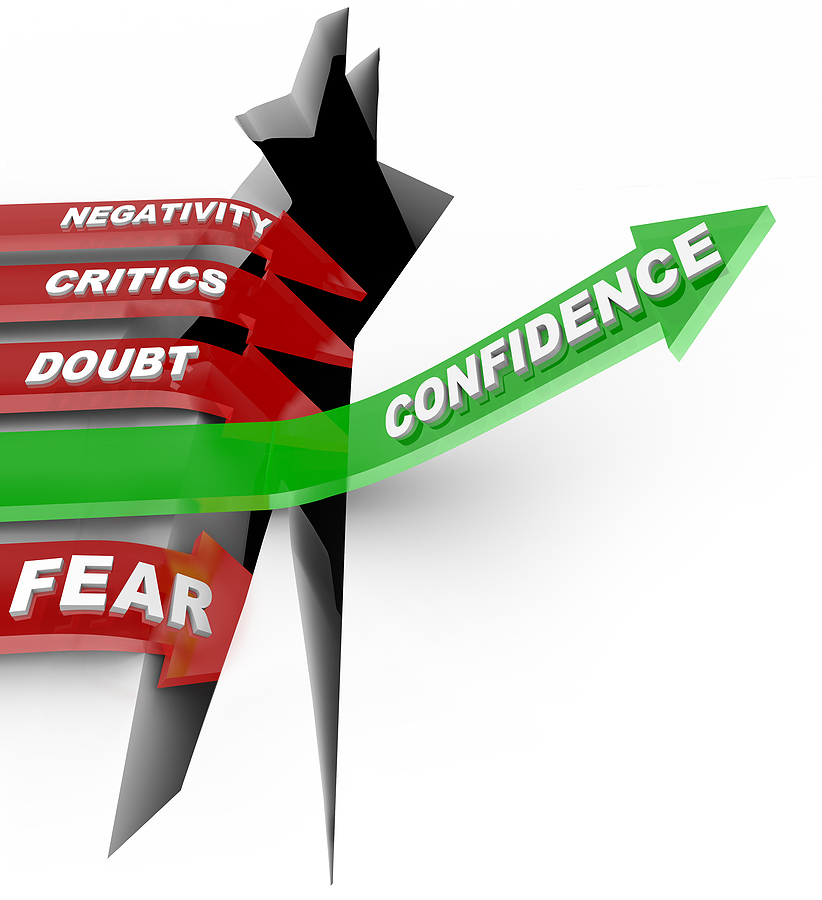
Ken Goldstein’s blog post Desperately Needed Now addresses what you can do to help your students and colleagues.  After observing the success of several business teams, he noticed some important commonalities and proposes we need to focus on three “C’s.”: Confidence, Clarity, and Connection.

Confidence – It’s difficult to feel and act confident when there are so many uncertainties. Yet this is where leadership comes to the fore.  You know what the proposed plans for the restart are.  You know what the changes are likely to be, depending on the situation with the virus. What is your plan of action?  And what’s your Plan B? Don’t doubt yourself. Accept that your first plan will inevitably need anything from tweaks to full-scale re-writes. Be certain to write your plan(s) down somewhere and keep checking it regularly, adapting as necessary.

Having a sense of direction will build your confidence.  Bring that confidence to your Zoom and in-person meetings.  Don’t try to suggest that you have all the answers, that would be arrogance.  But when you project you know what you will do and how you will work with others, your colleagues will feel reassured and look to you as a leader.

Clarity – You have all seen people in leadership roles who start talking and then bring in something that runs counter to what they just said.  Their audience is lost then either tunes them out or stops trusting them. Keep your ideas clear and simple. It’s hard for audiences (students and teachers) to stay focused in the current climate. Be ready to state your plan in another way if your audience seems confused. But keep it brief.  Encourage questions.  This will ensure that everyone – or sometimes the person you are talking to – understands your plan.

Connection – Social isolation is contrary to human nature. We can see it in the behavior of adolescents who keep violating the social distancing rules or the way we are calling friends and family more often.  Look for ways to personalize connections with others.  Use tech to send friendly visual messages. We are hard-pressed for time, but relationships need and deserve that time.  Ask about family and other non-education related topics once regular business is complete, just as you might under normal circumstances.

It sounds as though all this might add to your workload, but in the long road it will lessen it.  Your colleagues may start by leaning on you but will soon take on the behaviors they are seeing in you.  Leadership is about getting in there with people and plotting a direction.  The route to getting there is where the learning and growth happens.  The Connection you help to create will strengthen the school’s culture.  Your Clarity will help them achieve their own plans. And your Confidence will grow.  You’ll create a library that’s high touch no matter the circumstances.


ON LIBRARIES: Be a Community Builder and Leader

The world will never be as it was on New Year’s 2020.  So much has changed, and so much will be changed.  What never changes is people. One of the reasons we feel unsettled so much of the time is due to the upheaval in our relationships. Being cut off from our usual daily contacts for such a long stretch is a huge challenge.  What does all this mean to you? An opportunity. This is a time for you to take a new type of leadership position – one with a community focus.

Although we often refer to the educational community, we don’t pay much attention to what holds and keeps it together. Our schools must be strong communities outside the classroom more than ever, and you can be the one who creates and leads it. This goes beyond the support you have given teachers on distance learning and the resources that go with it, and the various online events you have held during the virus.  I am talking about vital connections and relationships, the kind that truly sustain a strong community.

Believe it or not, one of the ways you can do this is by building website – one that is specifically focused on creating community. Yes, your library and/or you school already has one but consider creating one that is for community.  This is not for tools, techniques, meeting times, administrative forms or other resources.  This one is for connections. Alternatively, you could consider building private Facebook group.

People join communities because they need something that’s provided by the social support and network found in a community. When trying to create one, think about the needs of the potential members (parents, teachers, administrators). Beyond the academic goals of each of these groups, what do people need that they can get from coming together as a group.

This can be a place to encourage the school community to share who they are with each other. It may be a place where people ask for help, or a way to set up online playdates or movie watch parties.  You can also create themes for days of the week. For example “Monday Menu Ideas” could ask for everyone to put links to their favorite simple recipes (we all need some new ones by this time!). “Starring The Staff Tuesday” could be the day where teachers and administrators are featured engaged in an activity they love. “Binge Fridays” could ask what shows people are planning to binge watch in the coming weekend. You can also spotlight local businesses that could use the support of everyone around.

Before starting this, discuss your idea and goal with the principal. Explain that building a strong community will boost resilience as we tackle whatever the future brings. To get the community site started, announce it on all social media the school uses and any other ways they reach out. Be clear about the purpose and how you see this supporting the school through this time and the future.

Even having posts to help people laugh can build community. I saw a post on Facebook askin people to quote a famous line from a movie and add “due to the pandemic.” The idea drew many responses and was shared heavily, drawing more suggestions.  You can do the same with a famous line from a book, “It was the best of times. It was the worst of times …due to the pandemic.” Post some riddles or other brain posers.  Invite teachers and administrators to add their own ideas.  The more people who contribute the stronger your community will grow.

You might suggest the community have a slogan and/or a logo.  Ask for ideas and have a vote to decide which one to use.  Then incorporate that in any activity you do.

Emelina Minero offers 10 Powerful Community-Building Ideas you can choose from to boost your group.  I like the Shout-outs.  Encourage members to acknowledge someone for anything that is worthy of sharing with others. We all love to be praised.  Oddly enough, we also feel good when we single out someone for praise.

Look for projects everyone can get behind. Ask for suggestions and for someone to lead it.  You are leading the way, but you want others to join you. And you don’t want to be doing all the work.

The idea behind this is to have some fun together and learn who we are as people.  We need to be like the California redwood trees which manage to grow so tall and live so long even though their roots are very shallow. They remain standing because their roots are interconnected with each other.  Together they stay strong. Like the redwoods, the more interconnected we are, the stronger we will grow.

ON LIBRARIES: A Different Approach Changes Outcomes

Many of you have tried multiple approaches to get your message through but making progress is still slower than you’d like. Sometimes you make headway with one or two teachers, and that’s a big gain.  Rather than focus on your frustrations, it’s important to look at what you can do to change your situation. Some self-reflection on how you present yourself might give you a few more tactics you can use to reach more of the faculty and possibly the principal.

In 10 Behaviors for Better Results, John R. Stoker reviews how we sometimes get in our own way and then offers ways to change the dynamic. There is an important theme throughout these behaviors – we can’t let our passion stop us from hearing the same passion and needs in our associates. He frames his ideas as responses to these ten questions:

  1. Are you so entrenched in your perspective that you don’t hear what others are saying? We know about active listening, but when we are passionate about what we believe, it is not always easy to practice. What is the other person’s perspective? Why do they see it that way?  Why are they passionate? Speak first to that.
  2. Do you really listen when others are speaking? Another reference to the importance of active listening. Because of our own beliefs, often nurtured by experience, we listen to hear the arguments, the negative, and overlook the possible areas of agreement. Instinctively, you prepare your defense and at that moment you tune out.  Without realizing it you’ve set up an immediate barrier.  You’ve probably been on the other side of this as well. No one likes to be ignored. Listen first.
  3. Do you push too hard to get the thing that you want? This is probably one of our biggest mistakes.  We finally have someone’s ear.  We have our message out – fast.  In the process, we overwhelm our listeners and they retreat.  Watch the other person’s body language for signs they are disengaging.  Be prepared to modify your request. If a teacher says s/he is too busy to come to the library, offer to send a cart with materials and an emailed list of apps and web resources. The same is true when proposing a project to your administrator. If you are asking for funds (and that is always difficult) consider spreading the project over several years. Would it work to just get approval for the project along with funding from alternate sources such as DonorsChoose?
  4. Do you assume that you know better or that you are always right? Even if you do, that can’t be where you start. My motto for years has been, “Do you want to be right, or do you want it to work? If you want to be right, it probably won’t work.” You need to be prepared for a solution that won’t be exactly how you envisioned it but will get you closer.  And in the discussion, you might get some new ideas which will be an improvement over your original plan. Plus, being seeing as a collaborator paves the way for your next success.
  5. Do you allow your negative emotions to determine what you say, do or think in the moment? When we talked with a teacher who has always shut us down, we tend to anticipate the negative and follow suit.  Your body language and your tone of voice communicate your negative feelings. This is when you must consciously must your mindset because this time could be your longed-for yes.
  6. Does your desire to play it safe or to be comfortably secure hinder your ability to be vulnerable and connect with others? This speaks to how we are as leaders.  The “don’t rock the boat” attitude keeps us from trying new ideas.  We worry about the possibility of failure and hide in our library.  After all, you have a ridiculously full schedule, why add to the stresses of your day by trying to add working with teachers to the mix?  Remember, we are in the relationship business, and if we are not building relationships, we will soon be out of business.
  7. Do you avoid heartfelt expressions of appreciation or gratitude? It pays to go further than just saying thank you. Handwritten notes make a big impression in the world of text, email, and emojis. Making sure you have informed your principal when a teacher has worked with you is another way to express your appreciation and one that the teacher will value.
  8. Do you take the time to reflect and focus on what matters most? Reflecting and focusing are two key components to success. Our days are so full we frequently don’t reflect on what we are doing or why we are doing it.  Throughout the National School Library Standards, we are encouraged to reflect. It’s an important habit to develop.  This question is also a reminder to prioritize.  This means not only our tasks but our relationships with family, friends, our colleagues, and our students.  When we become “human doings” rather than “human beings” we lose an important component of our life.  Being focused only on the next task makes us less approachable and keeps us from building vital relationships. (See question 6.)
  9. Are you empathetic and understanding of others? When you are a “human doing,” you are not likely to be alert to signals from others. It’s imperative that you be attuned to what is going on with your colleagues as well as your administrator (and your family).  If you want to build collaboration, you start with what they need, and they aren’t likely to tell you immediately.  You will often have to figure it out for yourself by staying connected.   
  10. Are you blind to your own behavior?   In his poem,To A Louse, On Seeing One on a Lady’s Bonnet at Church,” Robert Burns said, “Oh would some Power the gift give us, to see ourselves as others see us.”   We rarely know how we are perceived by others.  We make assumptions based primarily on our view of ourselves, positive or negative. You can get some idea by watching the body language of those with whom you are speaking. Do they move closer to you or move away?  Do they feel comfortable sharing their thoughts and views with you? If you’re having challenges, return to the first few questions and look at how you can really listen, hear what others are saying and not push to get your own view out first.

Making the case for your program is not easy in our stress-filled environment. Learning more about leadership and advocacy is never-ending. Adding new techniques and skills is an ongoing and empowering part of our jobs. The more we can be a “human being” the more we’re likely to enjoy the journey.