Craft Your Leadership Statement

You have written a Mission and Vision Statement for your library. Hopefully, they are what energize you every day as you see them (they are in a prominent spot, right?). Your Mission, as I often say, is your perspiration, announcing what and why you do what you do. Your Vision serves as inspiration and aspiration, igniting ideas for future goals and plans. Today, I’m going to add another one: a Leadership Statement.

Like a Mission Statement, a Leadership Statement grounds you as you move out of your comfort zone. It defines you and how you present yourself to others. It is a place to take what you are best at, most known for, or enjoy the most, and use it to grow into the leader you want to be.

In her article, What Do You Stand For? The Power of a Leadership Statement, Elizabeth Hayes writes “A clear leadership statement not only builds trust and aligns expectations but also creates a more engaged and motivated team. When your team understands what you stand for, they are more confident, engaged and empowered to perform at their best.”

Writing the statement takes time and thought. To help you craft your statement, Hayes gives these four guiding steps:

  1. Define what matters most – Identify your core values. Where won’t you compromise? Do you stand for intellectual freedom? If so, what does that look like for you and your library? Perhaps it is that the library is a safe, welcoming space for all. You can combine values in your statement, but don’t overload it. Hayes says to reflect on how you want others to describe you.
  2. Draw inspiration from great leaders – The library profession provides a host of great leaders from whom to choose. You might go further and look at leaders in politics and those who led the way for significant change. Or authors who didn’t change what they wanted to write based on the biases around them. When you identify what inspires you in others, you’re likely to see that this is something you strive for —or already do.
  3. Learn from leadership missteps – No leader is perfect. We have learned from our mistakes; learn from where leaders took a wrong turn. There are always those who don’t recognize when it was time to leave, having become hooked on power and prestige. Some leaders stop listening to others, convinced their view or approach is the best possible route. Where did they falter?
  4. Pull it all together– This is the hard part. What do you write in your statement? Hayes says to, “Start by jotting down key ideas from your reflections…It must be authentic and reflect your true values, as any disconnect between your words and actions will erode trust.” To structure your statement, she gives the following frameworks:
  5. Values-based framework – A personal “I believe” statement followed by a goal.
  6. Commitment statement framework – Identify your core principles followed by daily commitment to it.
  7. Mantra style framework – Hayes says this is “A single sentence encapsulating your core leadership principles.”

If this is something that clicks for you, give it a try. Make notes, imagine what you want your leadership to be like. Like your Mission and Vision, it is likely something that will need a few iterations before you feel it’s finalized. When you feel comfortable, share it with others and see if they agree it’s a good fit. I built mine from my personal mission statement: “I seek daily opportunities to inspire school librarians to become the leaders they need to be.” The clearer you are about who you are, the more powerful and impactful your leadership will be.

ON LIBRARIES: High Touch When You Can’t Touch

In recent years, many businesses have found success by being “high touch.”  According to Upscope a high-touch business is “one in which a customer places trust and partnership with a company, and in many cases, a specific individual or team at the company.” These companies develop close relationships with their customers, which builds loyalty.  The mental image is of them “reaching out and touching someone,” of being connected. We, too, need to develop these kinds of relationships with our “customers,” but in the current environment this is challenging on both a figurative and literal level.

Our ability to connect with teachers, students, and administrators determines whether we will be considered indispensable. But we base much of our relationship skills on being in physical contact with others.  We are accustomed to reading the body language and tone of voice of others to help us identify where they are and what they need.  Zoom may give us some clues, but it doesn’t come close to real life.  While we will probably have more in-person contact as schools resume, you will still need to rely on other means to build and keep relationships.

In developing these alternatives, you will display important leadership characteristics. Our teachers and students are crying out for leadership as the ground beneath us shifts almost daily.  Our administrators are stressed even more than the rest of us, being put in charge of situations fraught with uncertainty and danger.

Ken Goldstein’s blog post Desperately Needed Now addresses what you can do to help your students and colleagues.  After observing the success of several business teams, he noticed some important commonalities and proposes we need to focus on three “C’s.”: Confidence, Clarity, and Connection.

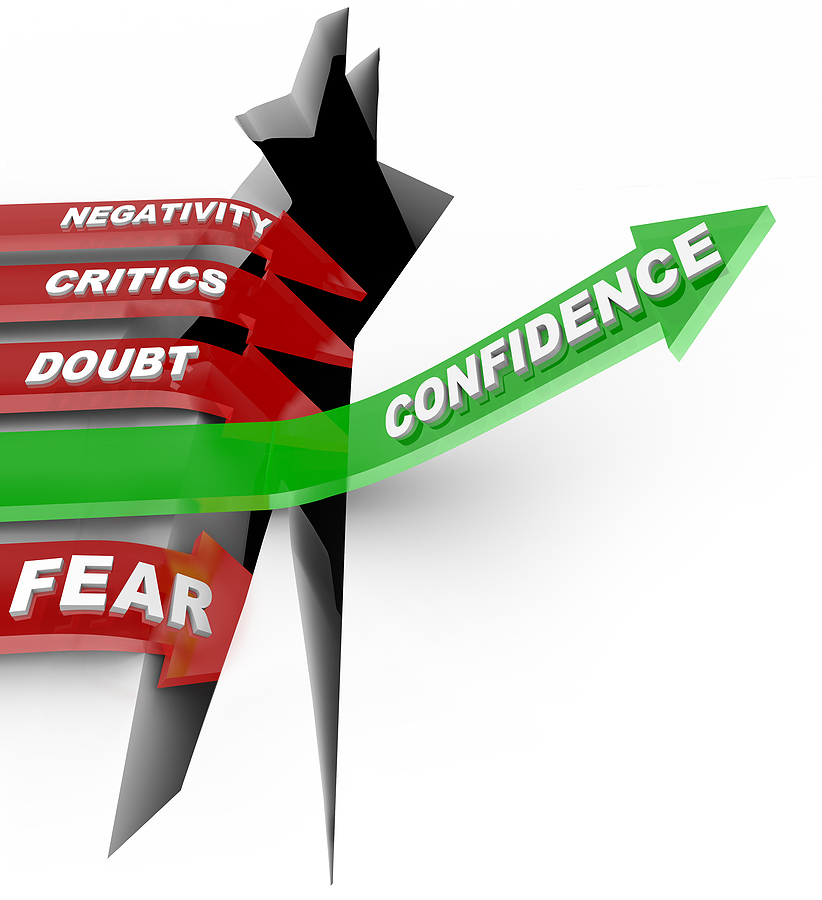
Confidence – It’s difficult to feel and act confident when there are so many uncertainties. Yet this is where leadership comes to the fore.  You know what the proposed plans for the restart are.  You know what the changes are likely to be, depending on the situation with the virus. What is your plan of action?  And what’s your Plan B? Don’t doubt yourself. Accept that your first plan will inevitably need anything from tweaks to full-scale re-writes. Be certain to write your plan(s) down somewhere and keep checking it regularly, adapting as necessary.

Having a sense of direction will build your confidence.  Bring that confidence to your Zoom and in-person meetings.  Don’t try to suggest that you have all the answers, that would be arrogance.  But when you project you know what you will do and how you will work with others, your colleagues will feel reassured and look to you as a leader.

Clarity – You have all seen people in leadership roles who start talking and then bring in something that runs counter to what they just said.  Their audience is lost then either tunes them out or stops trusting them. Keep your ideas clear and simple. It’s hard for audiences (students and teachers) to stay focused in the current climate. Be ready to state your plan in another way if your audience seems confused. But keep it brief.  Encourage questions.  This will ensure that everyone – or sometimes the person you are talking to – understands your plan.

Connection – Social isolation is contrary to human nature. We can see it in the behavior of adolescents who keep violating the social distancing rules or the way we are calling friends and family more often.  Look for ways to personalize connections with others.  Use tech to send friendly visual messages. We are hard-pressed for time, but relationships need and deserve that time.  Ask about family and other non-education related topics once regular business is complete, just as you might under normal circumstances.

It sounds as though all this might add to your workload, but in the long road it will lessen it.  Your colleagues may start by leaning on you but will soon take on the behaviors they are seeing in you.  Leadership is about getting in there with people and plotting a direction.  The route to getting there is where the learning and growth happens.  The Connection you help to create will strengthen the school’s culture.  Your Clarity will help them achieve their own plans. And your Confidence will grow.  You’ll create a library that’s high touch no matter the circumstances.