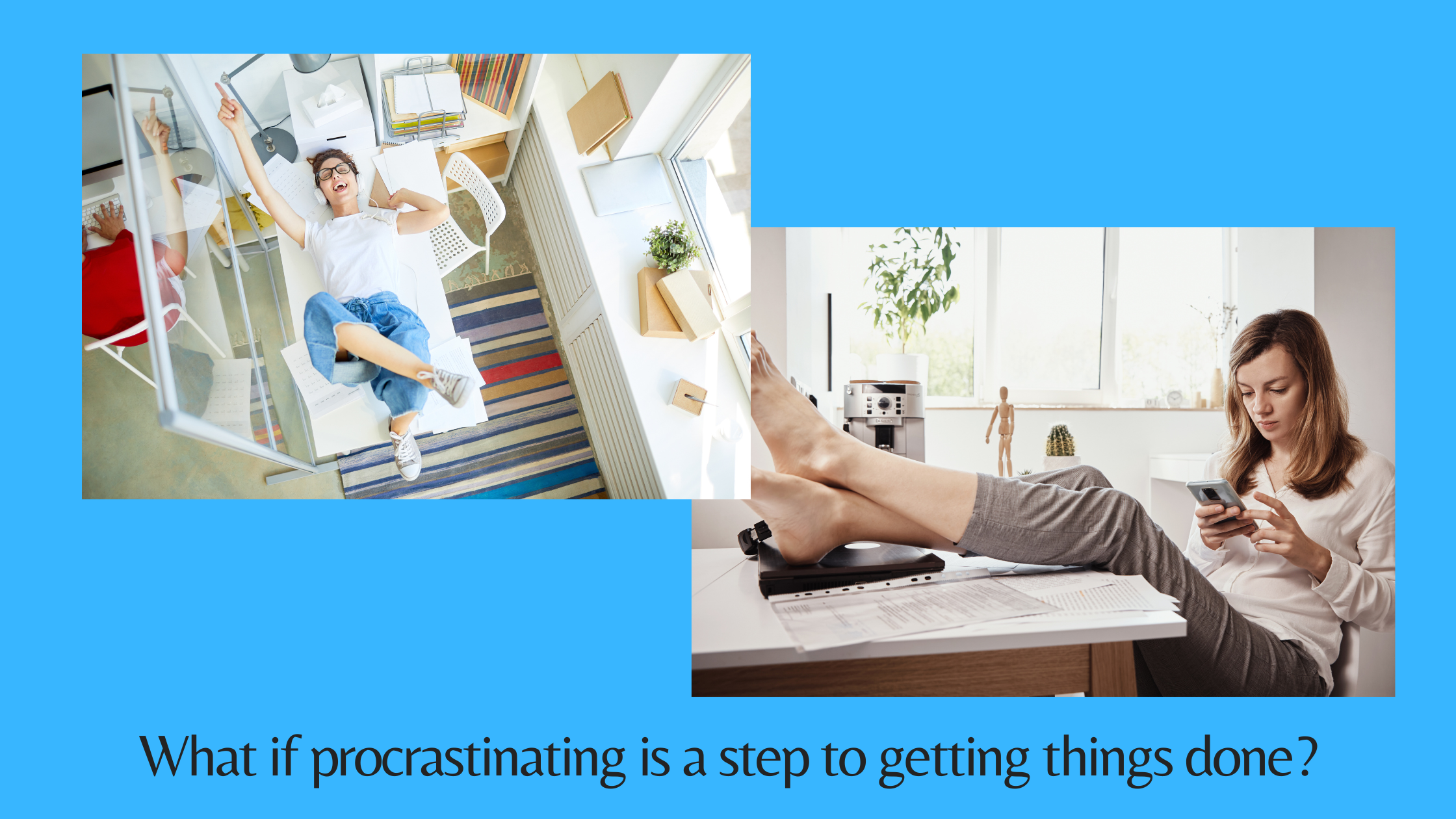
Maybe the title seems contradictory, but for many of us – procrastinating is something we can’t stop. So what if there was a way to use it to support our goals.
Because, there’s always something to do. Even summer vacation isn’t fully a vacation. There are conferences to attend. Webinars and e-learning to improve skills. Books to catch up on for pleasure and professional reading. How have you done so far with those plans?
Even in retirement, I’ve had things to do. I’m just back from Philly where I went to the ALA Conference and learned more than I expected. I also achieved a goal I had of making contact with some colleagues about being an adjunct for their university. Then I returned to a full plate. I looked at my to-do list and got started finishing a book and updating a course I will teach in two weeks.
But my plans unexpectedly stalled when I discovered I needed help from the school’s IT department, who weren’t available because of the July 4th weekend. Instead of jumping directly into editing the book, I decided it was time to take a break. I felt a little guilty about it, until I reminded myself of Kris Ann Valdez’ blog article Can Procrastination Actually Boost Your Productivity and Creativity?
Valdez quotes cultural strategist, Margaret Ricci who says after years of grappling and hating procrastination, she now embraces this time, noting “the time she spends incubating her ideas before her deep work begins ultimately benefits her outcome.” But there is an obvious negative effect of procrastination. If you keep doing it, the tasks will never get done.
The idea proposed in the article is to give a structure and balance to work and procrastination. You do both in in short sprints. First, you need to know the deadline (or set one). That gives you an important parameter. Then, determine what steps are necessary to reach completion. Then allow yourself a break when you complete a step.
I know I will play solitaire once I complete this blog. Depending on what needs to be done by when, I will allow myself only a set number of winning games before returning to the tasks. Some of you procrastinate by turning to your phone or social media. If you set up a structure for how much and how long, you will get back to work after the time you allowed for it.
The article by Valdez recommends using Fuel, Focus, Flow, to increase your productivity levels.
Fuel – Know how your energy level grows and depletes during the day. I know I am most creative in the morning. I couldn’t write a blog or a new chapter in a book if I started in the afternoon. Be aware of what you need to increase your energy level when it dips. Coffee or a snack is a simple possibility when you need a boost. Where does joy come in for you? I track all wins (like getting the blog done) in my success journal. Start one if you think that will energize you.
Focus – The article recommends gamifying working by doing something like seeing how much you can do in ten minutes. I estimate how long it will take me to write or edit something. I check on how I am doing, but it’s fine if it takes me longer. It still gets done.
Flow – Physical movement increases dopamine, the reward neurotransmitter. Fidget tools or walking pads allow for movement while staying at your desk. Heading out to walk frees my mind from clutter, and I can dictate ideas into my phone. And when I get new ideas or see how I can do something differently, it helps my mental well-being. What is your preference?
Valdez’ article concludes with these words of wisdom, “The goal isn’t to eliminate procrastination It’s to contain it, learn from it and use it as a signal.” If you can’t stop procrastinating, find a way to use it instead. With that, this blog is complete. I am going to play solitaire until I win one game.
 Hilda K. Weisburg